
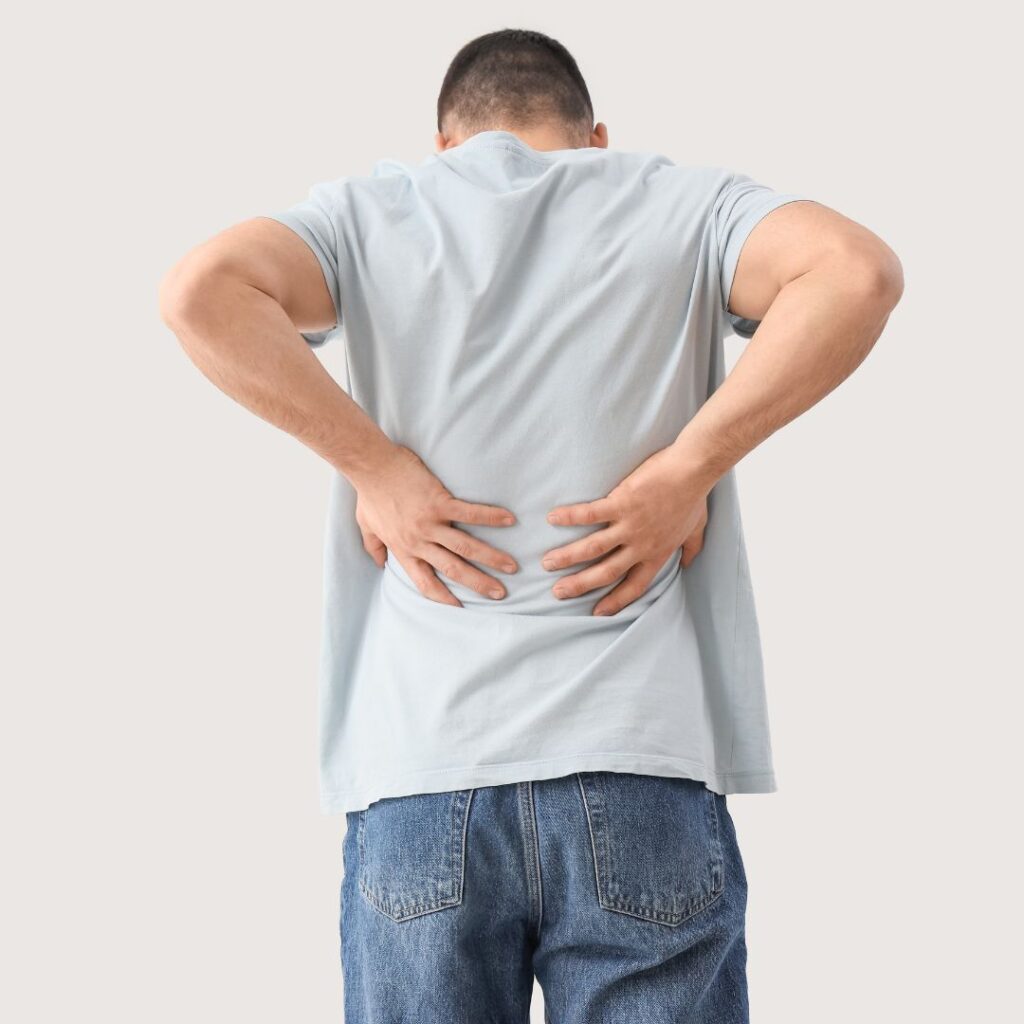
Lower back pain is more than just an occasional annoyance—it can make everyday movements like sitting, standing, or bending difficult and uncomfortable. Many people in the Dallas–Fort Worth area try to push through the pain or wait for it to go away, but when the underlying issue isn’t addressed, the discomfort often returns. Over time, this can lead to reduced mobility, muscle tightness, and pain that may even spread into the hips or legs.
Understanding the root cause of your lower back pain is key to finding lasting relief. Instead of masking symptoms, effective care focuses on correcting the source of the problem. Chiropractic care in Dallas–Fort Worth offers a targeted, non-invasive approach that helps restore proper function, reduce pain, and prevent the issue from becoming a long-term condition.
Low back pain is one of the most common reasons people miss work, avoid activity, or struggle through their day. Many people across the DFW area try to “push through it” or wait for it to go away on its own.
Sometimes it does.
But in most cases, the pain is only a symptom—and the underlying issue remains.
When left uncorrected, spinal misalignments and joint dysfunction can continue to irritate nerves, strain muscles, and limit mobility. Over time, this can lead to chronic pain, reduced function, and in more severe cases, the need for invasive treatments.
At Back to Health, the focus isn’t just helping you feel better—it’s helping you function better and stay better.
Most low back pain doesn’t happen overnight. It develops over time due to:
Pain may come and go, but if the root cause isn’t addressed, it often returns—sometimes worse than before.
Many patients come in after trying:
These approaches may reduce discomfort temporarily—but they don’t correct the structural problem causing the pain.
Chiropractic care focuses on restoring proper movement and alignment in the spine.
At Back to Health, your care starts with a thorough evaluation to identify the exact source of your pain. From there, a personalized plan is created to address both symptoms and root cause.
Your care may include:
By correcting the underlying dysfunction, chiropractic care helps:
A bulging disc occurs when the outer wall of a spinal disc weakens and pushes outward, potentially pressing on nearby nerves and causing pain, numbness, or weakness in the lower back and legs.
A herniated disc happens when the soft center of a spinal disc pushes through a crack in the tougher exterior. This can irritate nearby nerves and result in pain, numbness, or weakness in the lower back, buttocks, and legs.
As we age, spinal discs can break down and lose their cushioning ability. This natural wear and tear can lead to pain, instability, and reduced mobility in the lower back.
Spinal stenosis is a narrowing of the spaces within your spine, which can put pressure on the nerves that travel through the spine. It most commonly occurs in the lower back and can cause pain, numbness, and muscle weakness.
Strains occur when muscles or tendons in the back are stretched or torn, often from improper lifting, sudden movements, or overexertion. They can cause significant pain and muscle spasms in the lower back.
The sacroiliac joints connect the lower spine to the pelvis. Dysfunction in these joints can cause lower back pain that may radiate into the buttocks, hips, and upper legs. It can be caused by too much or too little movement in the joint.
Facet joints connect the vertebrae and allow for spinal movement. When these joints become inflamed or damaged, they can cause localized back pain that worsens with twisting or bending movements.
A subluxation refers to a misalignment of the vertebrae that can irritate nerves, cause muscle tension, and lead to pain throughout the back. Chiropractic adjustments are specifically designed to correct subluxations and restore proper spinal alignment.
Yes—chiropractic care is one of the most commonly recommended non-invasive treatments for low back pain.
Many patients experience noticeable relief within the first few visits, especially when care begins early. More importantly, it helps prevent the pain from continually coming back.
You don’t need to wait until the pain becomes severe.
You should consider care if:
Early care can significantly reduce recovery time and prevent long-term issues.
Treatment depends on your condition and how long the issue has been present.
At Back to Health, every plan is tailored with clear goals, progress tracking, and a focus on getting you back to normal activity as quickly and safely as possible.