
In recent years, red light therapy has become one of the fastest-growing wellness treatments in the health and recovery industry. While many people first hear about red light therapy through skincare advertisements or anti-aging treatments, its potential benefits go far beyond cosmetic improvements. Researchers, wellness professionals, athletes, chiropractors, and rehabilitation specialists are increasingly exploring how red light therapy may support cellular recovery, inflammation reduction, energy production, muscle recovery, and overall wellness optimization.
At Back to Health, patients are discovering how modern wellness therapies such as red light therapy can complement chiropractic care, rehabilitation programs, and holistic recovery solutions. As non-invasive wellness technologies continue gaining popularity, more people are seeking safe and natural ways to improve recovery, manage discomfort, and enhance daily performance.
But what exactly is red light therapy, and why is it generating so much attention in the healthcare and wellness industries?
This comprehensive guide explores the science behind red light therapy, its role in cellular health, how it may support inflammation reduction and energy production, and why many people are adding it to their wellness routines.
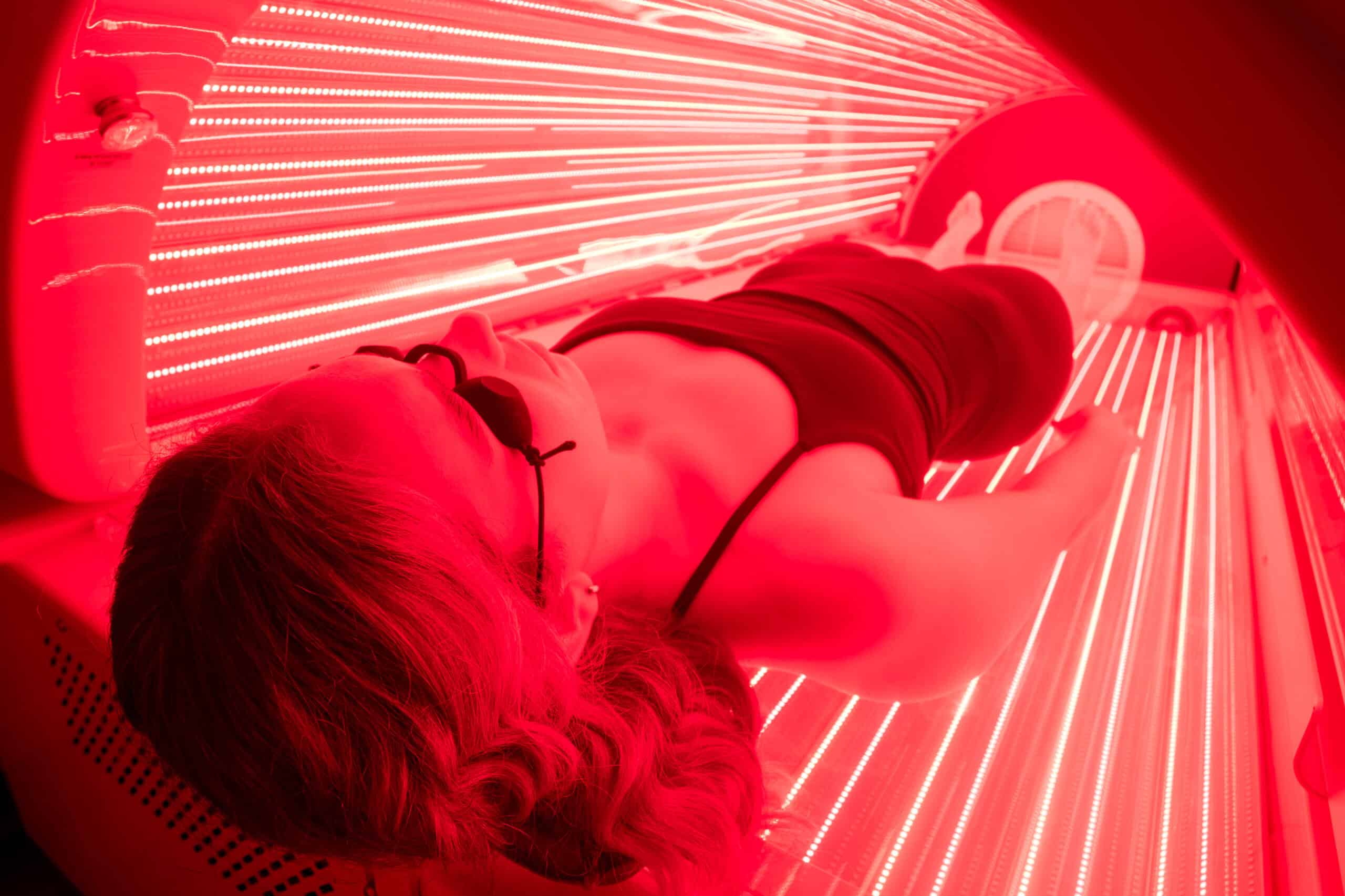
Red light therapy (RLT), also called photobiomodulation therapy (PBMT), is a non-invasive treatment that uses low-level wavelengths of red and near-infrared light to stimulate cellular activity within the body. Unlike ultraviolet (UV) rays from the sun, red light therapy does not damage the skin or tissues. Instead, it delivers therapeutic wavelengths that penetrate the skin and underlying tissues to support natural biological processes.
The treatment is typically administered using specialized LED panels, beds, handheld devices, or targeted therapy systems. Sessions are generally painless, relaxing, and require no downtime afterward.
The wavelengths used in red light therapy commonly range between:
630–700 nanometers for red light
800–1000 nanometers for near-infrared light
These wavelengths are believed to interact with cells in ways that may improve energy production, circulation, healing, and recovery.
Originally studied by scientists researching plant growth in space, red light therapy has since evolved into a widely used wellness modality across multiple industries including sports medicine, rehabilitation, aesthetics, and integrative healthcare.
The primary reason red light therapy has gained attention is because of its interaction with mitochondria — the tiny structures inside cells responsible for producing energy.
Mitochondria generate ATP (adenosine triphosphate), which acts as the body’s energy currency. Every cell in the body depends on ATP to perform essential functions including repair, regeneration, communication, and metabolism.
When red and near-infrared light penetrate the body, they may stimulate an enzyme called cytochrome c oxidase within the mitochondria. This process can potentially improve mitochondrial efficiency and increase ATP production.
In simple terms, red light therapy may help cells produce energy more effectively.
This increased cellular energy may contribute to:
Faster recovery
Improved tissue repair
Better circulation
Reduced oxidative stress
Enhanced cellular regeneration
Improved physical performance
Reduced inflammation
Because the therapy works at the cellular level, many professionals describe red light therapy as supporting the body’s natural healing abilities from the inside out.
Inflammation is the body’s natural response to injury, stress, or infection. While short-term inflammation is part of the healing process, chronic inflammation can contribute to ongoing discomfort, stiffness, fatigue, and reduced mobility.
Many modern lifestyle factors may contribute to chronic inflammation, including:
Stress
Poor sleep
Sedentary lifestyles
Overtraining
Poor diet
Repetitive strain
Injury
Chronic health conditions
One of the most widely discussed benefits of red light therapy is its potential role in inflammation support.
Research and wellness applications suggest that red light therapy may help:
Improve circulation
Reduce inflammatory responses
Support tissue healing
Promote oxygen delivery
Reduce oxidative stress
Improved circulation is especially important because blood flow helps transport oxygen and nutrients to damaged tissues while removing waste products that may slow recovery.
Individuals commonly explore red light therapy for inflammation-related concerns such as:
Joint stiffness
Muscle soreness
Sports injuries
Tendon irritation
Back discomfort
Neck tension
Exercise recovery
General body aches
At wellness clinics and rehabilitation centers, red light therapy is increasingly integrated into broader treatment plans designed to support recovery and mobility.
One of the most exciting aspects of red light therapy is its connection to cellular recovery.
The body constantly repairs tissues damaged by stress, movement, exercise, aging, and environmental exposure. However, recovery can slow down due to poor circulation, inflammation, fatigue, or injury.
Red light therapy may support tissue repair through several mechanisms:
Improved ATP Production
More cellular energy may help cells repair themselves more efficiently.
Increased Circulation
Better blood flow can support nutrient delivery and waste removal.
Collagen Production
Red light may stimulate fibroblasts, which are responsible for collagen synthesis.
Reduced Oxidative Stress
Oxidative stress can damage cells and slow healing processes.
Enhanced Cellular Communication
Cells rely on signaling pathways to coordinate healing and recovery.
This is why many athletes, wellness enthusiasts, and rehabilitation patients are turning to red light therapy as part of their recovery strategies.
Fatigue affects millions of people worldwide. Busy schedules, poor sleep, stress, illness, and chronic inflammation can all reduce energy levels.
Because red light therapy targets mitochondrial function, many users report improvements in energy and vitality after consistent sessions.
Potential benefits may include:
Improved daily energy
Better stamina
Reduced feelings of exhaustion
Enhanced recovery after exercise
Better physical performance
Improved focus and mental clarity
Some wellness experts believe that supporting mitochondrial health is one of the keys to improving long-term wellness and vitality.
Although red light therapy is not a replacement for healthy habits such as sleep, exercise, hydration, and nutrition, it may serve as a complementary wellness tool that supports overall energy production.
Professional athletes and active individuals are among the biggest advocates of red light therapy.
Training places stress on muscles, joints, and connective tissues. Recovery is essential for maintaining performance and reducing injury risk.
Many athletes use red light therapy before or after workouts because it may support:
Muscle recovery
Reduced soreness
Improved circulation
Reduced inflammation
Faster tissue repair
Improved flexibility
Enhanced recovery time
Fitness centers, sports rehabilitation facilities, and wellness clinics increasingly offer red light therapy as part of performance recovery programs.
Athletes commonly combine red light therapy with:
Chiropractic care
Stretching programs
Massage therapy
Cryotherapy
Mobility work
Physical rehabilitation
The goal is to optimize recovery so the body can perform at higher levels consistently.
Pain management is another area where red light therapy is gaining significant attention.
Many people seek non-invasive wellness solutions that may help support comfort and mobility without lengthy recovery times.
Red light therapy is commonly explored for:
Back discomfort
Neck stiffness
Joint pain
Muscle tension
Tendon soreness
Sports injuries
Exercise-related strain
The therapy may help support comfort by addressing inflammation and circulation simultaneously.
At integrative wellness clinics, red light therapy is often combined with chiropractic care and rehabilitation exercises to support long-term mobility and function.
Although the benefits of red light therapy extend beyond aesthetics, skincare remains one of its most popular applications.
Red light therapy may help stimulate collagen and elastin production, both of which are essential for maintaining healthy skin structure.
Potential skin-related benefits include:
Reduced appearance of fine lines
Improved skin texture
Better skin tone
Reduced redness
Acne support
Scar appearance support
Enhanced skin elasticity
Unlike invasive cosmetic procedures, red light therapy is gentle and typically requires no downtime.
This makes it appealing for individuals seeking natural skin wellness solutions without surgery or aggressive treatments.
Healthy circulation is essential for overall wellness.
Blood delivers oxygen and nutrients to tissues while removing waste products from cells. Poor circulation can contribute to fatigue, slow recovery, stiffness, and discomfort.
Red light therapy may support circulation by encouraging blood vessel dilation and improving blood flow to targeted tissues.
Improved circulation may contribute to:
Faster recovery
Reduced soreness
Better oxygen delivery
Enhanced tissue repair
Improved mobility
This is one reason why red light therapy is commonly used in sports recovery and rehabilitation environments.
Red light therapy is increasingly being used as part of broader wellness and self-care routines.
People interested in preventative wellness often incorporate red light therapy into their lifestyle because it is:
Non-invasive
Drug-free
Relaxing
Quick
Easy to integrate into routines
Many wellness providers view red light therapy as a complementary therapy rather than a standalone solution.
When combined with healthy lifestyle habits, chiropractic care, rehabilitation, and movement-based therapies, red light therapy may help support overall wellness and recovery goals.
Many first-time patients are surprised by how simple and relaxing red light therapy sessions are.
A typical session may involve:
Standing or lying near a red light therapy device
Exposure to therapeutic red and near-infrared wavelengths
Sessions lasting between 10–20 minutes
Little to no discomfort
No recovery period afterward
Some people feel warmth during treatment, while others simply relax during the session.
Consistency is often recommended for optimal results, especially for recovery and wellness support goals.
Red light therapy is generally considered low-risk and non-invasive when performed appropriately.
Unlike UV tanning beds, red light therapy does not use harmful ultraviolet radiation.
However, individuals should still consult qualified healthcare professionals before beginning treatment, especially if they:
Have light sensitivity
Take medications that increase photosensitivity
Have certain medical conditions
Are pregnant
Have active cancer concerns
Eye protection may also be recommended depending on the device used.
Modern wellness clinics are increasingly integrating therapies that focus on recovery, mobility, and preventative care.
At Back to Health, patients have access to comprehensive wellness strategies designed to support both short-term relief and long-term health goals.
Red light therapy complements services such as:
Chiropractic care
Rehabilitation therapy
Corrective exercises
Mobility support
Wellness care plans
Recovery programs
This integrated approach helps patients address not only symptoms but also lifestyle and movement factors that may contribute to discomfort and reduced performance.
Research into photobiomodulation continues to expand rapidly.
Scientists are exploring potential applications involving:
Neurological wellness
Recovery medicine
Sports science
Sleep support
Immune system function
Chronic pain management
Healthy aging
As research advances, red light therapy is likely to become an even more common part of wellness and recovery programs worldwide.
Its appeal lies in its non-invasive nature, versatility, and ability to support the body’s natural healing processes.
What is red light therapy used for?
Red light therapy is commonly used to support skin health, recovery, inflammation management, circulation, muscle recovery, and overall wellness.
Does red light therapy hurt?
No. Most people find red light therapy comfortable and relaxing.
How long does a session take?
Most sessions last between 10 and 20 minutes depending on the treatment plan.
Is there downtime after treatment?
Typically, there is no downtime after red light therapy sessions.
Can red light therapy help athletes?
Many athletes use red light therapy to support recovery, reduce soreness, and improve performance recovery times.
Is red light therapy safe?
When administered properly, red light therapy is generally considered safe and non-invasive.
How many sessions are needed?
Results vary depending on wellness goals and individual needs. Consistency is often recommended.
Red light therapy is no longer viewed as simply a cosmetic skincare trend. Today, it is increasingly recognized as a powerful wellness tool that may support cellular recovery, inflammation management, circulation, tissue repair, energy production, and overall vitality.
By targeting the body at the cellular level, red light therapy may help enhance the body’s natural recovery and healing processes. From athletes seeking faster recovery to individuals managing daily discomfort or fatigue, more people are exploring the benefits of photobiomodulation as part of a holistic wellness strategy.
As interest in non-invasive wellness technologies continues to grow, red light therapy is becoming an important addition to modern rehabilitation, recovery, and preventative care programs.
At Back to Health, patients can explore integrative wellness solutions designed to support long-term health, mobility, recovery, and quality of life.
If you are ready to experience the potential benefits of red light therapy for recovery, inflammation support, energy enhancement, and overall wellness, the team at Back to Health is here to help.
Schedule a consultation today to learn how personalized wellness and recovery solutions can support your health goals.
📍 Address: 7557 Rambler Road, #720 Dallas, TX 75231
📞 Phone: +1 (214) 361-9355
📧 Email: appointments@dfwbacktohealth.com
🌐 Website: https://dfwbacktohealth.com