
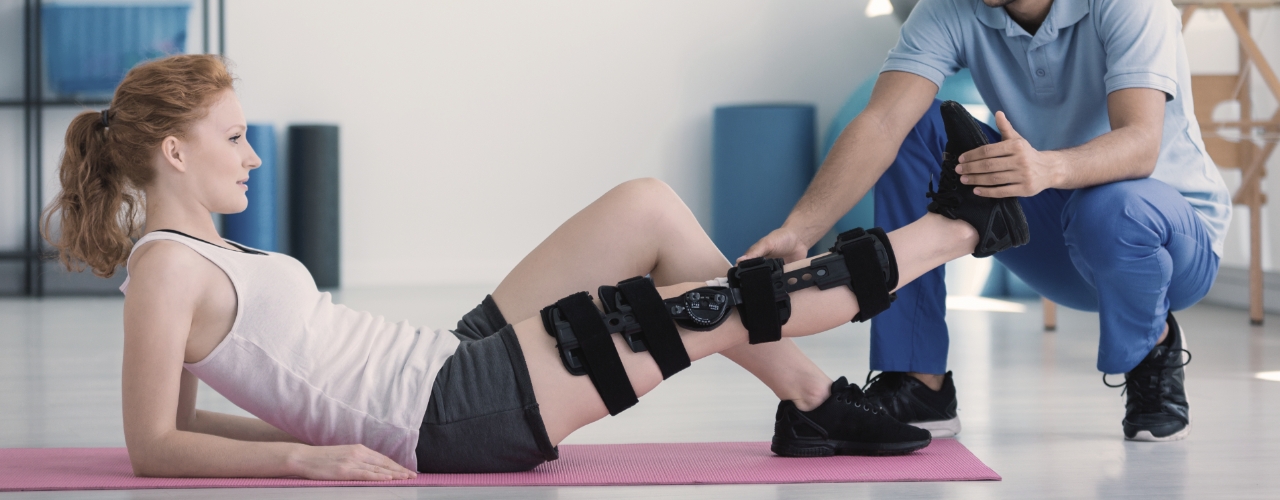
Injuries can alter daily life in ways many people never expect. Whether caused by a sports injury, workplace accident, auto collision, surgery, chronic pain flare-up, or repetitive strain from everyday activities, physical setbacks can significantly impact strength, mobility, and independence. Simple movements like walking, climbing stairs, lifting groceries, exercising, or even getting restful sleep may suddenly become painful and challenging. Beyond the physical discomfort, injuries often affect emotional well-being, confidence, and the ability to maintain normal routines. For many individuals, the real challenge is not just recovering—but recovering properly to restore full function and prevent future setbacks.
Healing is rarely a one-size-fits-all process. Every injury is different, and every body responds to recovery in its own way. Factors such as age, medical history, activity level, pain tolerance, lifestyle demands, and personal wellness goals all play important roles in determining the most effective rehabilitation strategy. A generalized recovery plan may overlook these critical differences, potentially slowing progress or increasing the risk of reinjury. That is why personalized rehabilitation is often essential for achieving more complete and lasting recovery outcomes.
At DFW Back to Health, physical rehabilitation focuses on individualized care designed to address each patient’s unique condition and recovery goals. Through customized treatment plans, targeted therapies, mobility exercises, strength-building strategies, and balance-focused rehabilitation, patients receive support tailored to their specific needs. This personalized approach may help improve mobility, reduce pain, rebuild strength, and restore confidence, empowering individuals to return to daily life, work, and physical activities with greater resilience and long-term wellness.
An injury affects more than just one body part. While the immediate issue may be a torn ligament, strained muscle, herniated disc, or post-surgical weakness, the ripple effects often impact the entire body.
Pain and inflammation
Reduced mobility
Muscle weakness or atrophy
Joint instability
Loss of flexibility
Poor posture or compensatory movement patterns
Reduced balance and coordination
Fear of re-injury
Reduced independence
Interrupted work or sports participation
Sleep disruption
Mental stress or frustration
Decreased physical confidence
Without proper rehabilitation, many individuals risk incomplete healing, recurring pain, chronic dysfunction, or compensatory injuries elsewhere in the body.
Traditional advice like “rest and take it easy” can be important initially, but long-term recovery often requires much more than passive healing.
A generalized rehabilitation approach may overlook:
The root cause of dysfunction
Pre-existing biomechanical imbalances
Individual movement limitations
Occupational demands
Athletic performance goals
Chronic inflammation patterns
Lifestyle habits that may contribute to re-injury
For example:
Two people with knee pain may need completely different rehabilitation plans:
Patient A: Recovering from ACL surgery and returning to competitive athletics
Patient B: Managing arthritis-related knee degeneration while improving daily walking ability
The diagnosis may involve the same joint, but the treatment strategy should be dramatically different.
Personalized rehabilitation is a customized, strategic recovery program designed to support healing based on each patient’s unique physical condition, health background, and long-term functional goals. Rather than using a generic treatment model, this individualized approach adapts therapies, exercises, and recovery strategies to better address specific challenges while promoting safer, more effective progress.
Injury type
Severity
Medical history
Physical condition
Functional limitations
Pain levels
Lifestyle
Recovery goals
At DFW Back to Health, physical rehabilitation includes comprehensive assessments, individualized treatment planning, targeted exercises, and progress tracking to help patients restore strength, mobility, and function more effectively.
Effective personalized rehabilitation begins with a thorough evaluation of the patient’s physical health, movement quality, and injury history. Understanding the full picture helps providers identify root causes, contributing factors, and functional limitations—not just symptoms. This detailed assessment guides the creation of a more precise and individualized treatment strategy.
Range of motion analysis
Strength testing
Posture assessment
Joint stability evaluation
Movement pattern screening
Pain triggers
Previous injury history
This process helps uncover why pain exists, supporting more targeted and effective recovery planning.
Pain often restricts movement, weakens muscles, and slows healing, making effective pain management a critical early step in rehabilitation. Personalized strategies aim to reduce discomfort while improving movement quality and preparing the body for more advanced recovery phases.
Manual therapy
Soft tissue therapy
Mobility exercises
Stretching
Chiropractic support when appropriate
Neuromuscular re-education
By addressing pain strategically, patients may move more comfortably, improve function, and build a stronger foundation for long-term rehabilitation progress.
Rebuilding strength after injury requires gradual progression that balances challenge with safety. Personalized rehabilitation focuses on restoring muscular support, functional movement, and endurance while avoiding overload that could delay healing or cause reinjury.
Stabilizing muscles
Functional movement patterns
Core support
Joint-specific strengthening
Endurance rebuilding
A carefully structured progression helps patients rebuild physical resilience, restore movement confidence, and improve performance for everyday life, work, or athletic demands.
Injury, surgery, inflammation, and inactivity can significantly reduce flexibility and range of motion, often leading to stiffness and dysfunctional movement patterns. Personalized rehabilitation works to restore efficient motion and improve physical adaptability.
Joint mobility
Dynamic flexibility
Tissue extensibility
Movement efficiency
Improving mobility can help normalize biomechanics, reduce physical stress on surrounding structures, support better posture, and lower the likelihood of recurring injuries or chronic limitations.
Balance and coordination are essential for safe movement, injury prevention, and physical confidence, especially after lower body injuries, neurological issues, or surgery. Personalized rehabilitation often includes proprioceptive and functional retraining strategies to restore stability.
Stability drills
Gait retraining
Balance exercises
Functional movement practice
These interventions may help improve body awareness, prevent falls, support athletic readiness, and restore smoother, safer movement in daily activities.
According to DFW Back to Health, physical rehabilitation may support recovery from sports injuries, post-surgical limitations, chronic pain conditions, neurological disorders, and work-related injuries.
Sports Injuries:
ACL tears
Rotator cuff injuries
Tennis elbow
Sprains and strains
Shin splints
Post-Surgical Recovery:
Joint replacement
Spinal surgery
Fracture repair
Shoulder reconstruction
Chronic Pain:
Lower back pain
Neck pain
Arthritis
Sciatica
Fibromyalgia-related dysfunction
Workplace Injuries:
Repetitive strain
Back strain
Shoulder injuries
Slip-and-fall trauma
Functional rehabilitation focuses on helping patients regain the physical abilities needed for everyday life, not just reducing pain or temporary discomfort. True recovery often means restoring strength, mobility, coordination, and endurance in ways that directly improve real-world performance. By targeting practical movement patterns and lifestyle-specific needs, functional rehabilitation may help individuals return more safely and confidently to their normal routines.
Walking comfortably
Returning to work
Playing sports
Lifting safely
Improving posture
Enhancing energy
For example, a construction worker recovering from a back injury may need proper lifting mechanics, core stability, and strength training, while an office worker may benefit more from posture correction, spinal endurance, and ergonomic movement strategies. Personalized functional rehabilitation helps align recovery with daily responsibilities and long-term wellness goals.
Personalized rehabilitation not only supports recovery from current injuries but may also play an important role in preventing future physical setbacks. By identifying and addressing the underlying biomechanical issues that contribute to pain or dysfunction, rehabilitation can help improve overall movement efficiency, stability, and body awareness for long-term resilience.
Muscle imbalances
Joint instability
Faulty movement patterns
Poor posture
Weak stabilizers
Correcting these contributing factors may reduce unnecessary strain on the body, improve functional performance, and lower the likelihood of recurring injuries. Lasting recovery often comes from treating both immediate symptoms and the root causes behind them.
Patient education is a vital part of personalized rehabilitation because long-term recovery often depends on what happens outside the clinic as much as inside it. Understanding how to move properly, manage symptoms, and support healing can empower patients to take an active role in their progress and reduce the risk of setbacks.
Proper body mechanics
Home exercises
Stretching routines
Ergonomics
Activity modification
Recovery pacing
When patients better understand their condition, treatment goals, and daily movement habits, they are often more prepared to maintain progress, prevent reinjury, and support lasting improvements in strength, mobility, and overall function.
Mental and emotional recovery are often just as important as physical healing after an injury. Fear and hesitation can limit progress, reduce activity levels, and create psychological barriers that interfere with rebuilding strength and mobility. Addressing these concerns through supportive, personalized rehabilitation may help patients regain both physical ability and confidence.
Fear of movement
Fear of pain
Fear of re-injury
With gradual progression, guided exercises, and individualized support, patients can rebuild trust in their bodies at a safe pace. Restoring confidence often plays a major role in returning to daily activities, sports, work, and long-term wellness successfully.
Integrating advanced recovery approaches can provide a more comprehensive path to healing by addressing pain relief, functional restoration, mobility, and overall wellness together. Rather than focusing on a single treatment method, a multidisciplinary strategy may help support more complete recovery based on the patient’s condition, goals, and physical needs.
Chiropractic care
Physical rehabilitation
Regenerative approaches
Red light therapy
Mobility training
Strength conditioning
At DFW Back to Health, combining chiropractic principles with broader rehabilitation and wellness strategies may help patients improve movement, reduce discomfort, rebuild strength, and support long-term vitality. This integrative model can be especially beneficial for individuals recovering from injury, managing chronic pain, or seeking a more personalized approach to restoring physical performance and resilience.
Early intervention after an injury can play a major role in improving recovery outcomes and preventing minor issues from developing into more serious, long-term complications. Delaying treatment may allow dysfunction, weakness, or improper healing patterns to worsen over time, making rehabilitation more difficult.
Chronic pain
Scar tissue buildup
Compensation injuries
Reduced mobility
Longer recovery timelines
Seeking rehabilitation sooner may help promote proper healing, restore movement more efficiently, and reduce the likelihood of persistent pain or secondary injuries. Addressing problems early often supports faster progress, better functional outcomes, and improved long-term physical resilience.
Athletes:
Rehabilitation often emphasizes performance restoration, strength, agility, injury prevention, sport-specific conditioning, and safely returning to competition with confidence.
Adults:
Programs commonly focus on pain relief, workplace function, posture, mobility, strength, and improving daily activities for long-term physical wellness.
Older Adults:
Rehabilitation often prioritizes balance, mobility, independence, fall prevention, joint stability, and preserving functional movement for safer aging.
Persistent pain after injury
Reduced mobility
Weakness after surgery
Recurrent injuries
Balance issues
Difficulty returning to activity
Chronic stiffness
Poor recovery progress
1. What is personalized rehabilitation?
Personalized rehabilitation is an individualized recovery program tailored to your specific injury, physical condition, medical history, lifestyle demands, and functional goals for more effective healing.
2. How is physical rehabilitation different from physical therapy?
Physical therapy often focuses on specific treatments or exercises, while rehabilitation may include broader strategies like pain management, mobility training, strength building, and wellness support.
3. Can rehabilitation help avoid surgery?
In some cases, personalized rehabilitation may improve strength, flexibility, stability, and function enough to reduce symptoms and potentially delay or avoid surgery.
4. How long does rehabilitation take?
Rehabilitation timelines vary widely depending on injury severity, treatment consistency, overall health, age, and recovery goals, ranging from weeks to several months.
5. Is rehabilitation only for severe injuries?
No. Rehabilitation may benefit mild injuries, chronic pain, posture correction, mobility limitations, preventive care, and performance enhancement—not just severe conditions.
6. What conditions can personalized rehab address?
Personalized rehabilitation may address sports injuries, post-surgical recovery, back pain, joint dysfunction, neurological issues, workplace injuries, and chronic musculoskeletal conditions.
7. Can rehabilitation reduce re-injury risk?
Yes. By correcting imbalances, improving strength, restoring proper movement patterns, and enhancing stability, rehabilitation may help lower the risk of future injuries.
Recovering from injury is about more than simply healing tissue—it’s about rebuilding strength, restoring confidence, improving movement, and reclaiming your quality of life. Generic recovery plans may provide temporary help, but personalized rehabilitation often offers a more strategic, individualized path toward long-term function and resilience.
Whether you are recovering from surgery, overcoming chronic pain, managing a sports injury, or trying to restore mobility after a setback, a customized rehabilitation strategy can make a meaningful difference.
At DFW Back to Health, physical rehabilitation services are centered on individualized care, functional restoration, and helping patients move toward fuller, healthier lives.
If pain, injury, or limited mobility is holding you back, personalized rehabilitation may help you restore movement, reduce discomfort, and get back to doing what you love.
DFW Back to Health
📍 Address: 7557 Rambler Road, #720 Dallas, TX 75231
📞 Phone: +1 (214) 361-9355
📧 Email: appointments@dfwbacktohealth.com
🌐 Website: https://dfwbacktohealth.com