


Chronic muscle pain can make even the simplest daily tasks—like driving, working at a desk, or turning your head—feel difficult and uncomfortable. For years, traditional pain relief methods such as over-the-counter medications, physical therapy, and in some cases, surgery, have been the go-to options for managing this discomfort. While these methods can be effective, they often focus on masking symptoms rather than addressing the root cause.
Trigger Point Therapy (TPT) offers a more targeted approach by identifying and releasing the tight muscle knots—called trigger points—that cause pain and restrict movement. Using techniques like manual pressure, dry needling, and massage, TPT works to restore muscle elasticity, reduce inflammation, and improve blood flow. Patients often experience quicker relief compared to traditional methods, with fewer side effects.
Traditional treatments may still be necessary for acute injuries or structural issues, but for chronic muscular pain, TPT provides a natural, non-invasive alternative that targets the source of discomfort. Understanding these differences can help you choose the best path toward lasting pain relief and improved function.
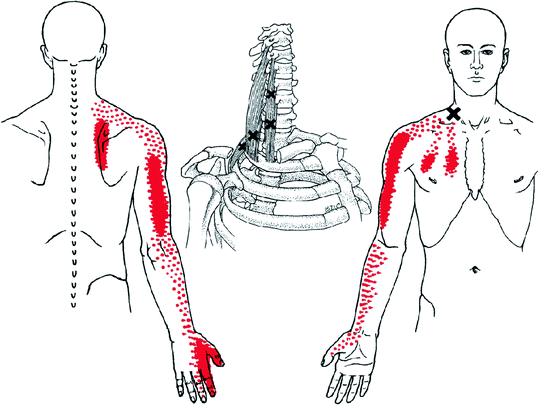
Trigger points are hyperirritable spots in tight bands of muscle tissue. When pressure is applied, they often cause pain either locally or in seemingly unrelated parts of the body—a phenomenon known as “referred pain.” For example, a trigger point in your upper back might cause a dull ache in your neck or headaches. These points can form due to stress, muscle overuse, injuries, or poor posture. Left untreated, they can contribute to chronic pain and mobility issues, impacting both physical performance and mental well-being.
Trigger Point Therapy (TPT) is a specialized manual treatment focused on identifying and releasing trigger points—tight, painful knots within muscles that cause discomfort and restrict movement. These trigger points can develop due to stress, injury, or repetitive strain, and they often refer pain to other parts of the body.
At DFW Back to Health, skilled practitioners use a combination of techniques to deactivate these trigger points and restore muscle function:
Each treatment plan is tailored to the individual, making TPT highly effective for patients with specific muscle tension or chronic pain that hasn’t improved with general therapies. By addressing the root causes of muscle dysfunction, Trigger Point Therapy helps reduce pain, enhance flexibility, and improve overall quality of life.

Traditional pain relief methods encompass a range of approaches aimed at reducing discomfort and improving function. These methods have long been the foundation of treating muscle and joint pain, and they can be effective, especially in cases of acute injury or inflammation. However, they often focus more on symptom management rather than addressing underlying causes such as trigger points.
Medications: One of the most common methods involves the use of medications. Over-the-counter options like nonsteroidal anti-inflammatory drugs (NSAIDs), including ibuprofen and aspirin, help reduce pain and inflammation. Muscle relaxants and prescription painkillers may also be prescribed for more severe cases. While these drugs can provide quick relief, they often only mask the symptoms without solving the source of pain. Additionally, long-term use can lead to side effects such as gastrointestinal issues, dependency, or tolerance.
Physical Therapy: Physical therapy is another widely used treatment. Physical therapists create personalized exercise plans focused on strengthening muscles, improving flexibility, and correcting posture. They may also use modalities like ultrasound, electrical stimulation, or heat therapy to aid recovery. Physical therapy aims to restore function and reduce pain, but it can take time and requires patient commitment to exercises and follow-up care.
Surgical Interventions: Surgery is generally considered a last resort when structural damage, such as herniated discs or severe joint degeneration, is contributing to chronic pain. Surgical options can provide relief but come with inherent risks, longer recovery periods, and higher costs.
While traditional pain relief methods can be essential tools, especially for acute conditions or injuries, they sometimes fall short in treating chronic muscle pain caused by trigger points. For this reason, therapies like Trigger Point Therapy are gaining popularity for their ability to target and resolve the source of pain naturally and effectively.
The main difference lies in the approach and focus. Trigger Point Therapy targets specific areas of muscle dysfunction, while traditional methods often address pain more generally. TPT is less invasive and usually has fewer side effects, making it ideal for those who want to avoid medication dependency or surgery.
CategoryTrigger Point TherapyTraditional Pain ReliefApproachDirectly targets muscle knotsGeneralized symptom reliefTechniquesManual therapy, dry needlingMedication, PT, surgerySpeed of ReliefOften immediate or within daysCan take weeks/monthsSide EffectsMinimal, localized sorenessSystemic (e.g., digestive issues from meds)SuitabilityGreat for chronic muscle painBetter for acute injuries
Trigger Point Therapy also allows for personalized treatment plans, whereas traditional methods can feel more one-size-fits-all. For example, at DFW Back to Health, licensed practitioners create customized approaches combining TPT, chiropractic care, and massage therapy for long-lasting results.
Trigger Point Therapy (TPT) offers a range of advantages that go well beyond simple pain relief. By focusing directly on the source of muscle tension, TPT helps patients achieve lasting improvements in both physical and mental well-being. Here are some of the key benefits reported by those who undergo this specialized therapy:
Targeted Pain Relief: Unlike medications that often just mask discomfort, TPT works by releasing tight muscle knots (trigger points) that cause localized and referred pain. This direct approach allows for more effective and lasting pain reduction.
Improved Range of Motion: When trigger points are released, muscles regain their natural elasticity and flexibility. This restoration leads to improved joint mobility and makes everyday movements easier and less painful.
Reduced Dependency on Medication: Many patients find that consistent Trigger Point Therapy reduces their reliance on painkillers or muscle relaxants. This can minimize the risks and side effects associated with long-term medication use.
Faster Recovery Time: Because TPT targets the underlying muscle dysfunction, patients often experience faster relief and recovery compared to traditional therapies alone. This efficiency can mean fewer sessions and a quicker return to normal activities.
Better Posture and Alignment: Muscle tightness and imbalance can pull the body out of alignment, leading to poor posture and additional strain. By easing these tight spots, TPT supports the restoration of proper posture and musculoskeletal balance.
Mental Clarity and Stress Relief: Chronic pain can take a toll on mental health, causing fatigue, anxiety, and poor sleep. By alleviating pain and muscle tension, TPT promotes relaxation, improved sleep quality, enhanced mood, and increased energy levels.
Overall, Trigger Point Therapy provides a holistic, non-invasive approach that addresses both the symptoms and root causes of chronic muscle pain, empowering patients to live healthier, more active lives.Are There Any Drawbacks?
While Trigger Point Therapy has many benefits, it’s important to acknowledge the potential downsides:
Despite these, most patients find the trade-offs well worth it—especially when standard methods have failed.

Trigger Point Therapy (TPT) is an excellent option for individuals experiencing chronic muscle pain that has not responded well to medications or traditional treatments. If you suffer from persistent muscle stiffness, especially in the neck, shoulders, or back, TPT can target the root causes by releasing tight muscle knots, providing relief and improving mobility.
People who frequently experience tension headaches or migraines often benefit from TPT, as these headaches can be triggered by muscle tension and trigger points in the upper back and neck. Additionally, those diagnosed with fibromyalgia—a condition characterized by widespread muscle pain and sensitivity—may find significant symptom relief through this therapy.
Athletes and individuals with repetitive strain injuries from work or daily activities are also ideal candidates. Trigger Point Therapy helps reduce muscle tightness, speed recovery from injuries, and improve overall muscle function, allowing for better performance and less discomfort.
At DFW Back to Health, our experienced team specializes in trigger point and myofascial release therapies, tailoring treatment plans to your unique condition. If you live in Texas and are struggling with any of these issues, we’re here to help you find lasting relief and regain your quality of life.
Q: How do I know if I have trigger points?
A: Trigger points feel like small, tight knots or nodules within your muscles that are tender to the touch. When pressed, they often cause localized pain and may also refer pain to other areas of your body, making diagnosis tricky. A trained therapist at DFW Back to Health can perform a thorough physical examination, palpating muscle areas to accurately identify trigger points and tailor treatment accordingly.
Q: Is Trigger Point Therapy painful?
A: Some discomfort is normal during Trigger Point Therapy, especially when deep pressure is applied to sensitive knots. Most patients describe this sensation as a “good hurt” — a temporary discomfort that leads to relief. The pressure used is always adjusted to your comfort level, and any soreness typically fades within a day or two.
Q: How soon will I feel results?
A: Many patients report immediate or same-day relief after their first session, experiencing less muscle tightness and pain. However, for chronic or severe issues, it may take multiple sessions over several weeks to achieve lasting improvements. Your therapist will create a treatment plan designed to deliver gradual and sustained benefits.
Q: Can I do Trigger Point Therapy alongside other treatments?
A: Yes! Trigger Point Therapy complements many other healing approaches, including chiropractic care, physical therapy, acupuncture, and massage. It also works well when combined with lifestyle changes like ergonomic adjustments at work, stretching routines, and stress reduction techniques. This holistic approach helps maximize your recovery.
Q: How often should I get treated?
A: Treatment frequency depends on your individual condition and goals. Typically, patients start with 1–2 sessions per week. As symptoms improve, the frequency usually decreases to maintenance sessions. Your therapist will regularly assess your progress and adjust the schedule to ensure the best outcome.
Chronic muscle pain doesn’t have to control your life. Whether you’re dealing with tension headaches, stiff shoulders, or persistent low back pain, Trigger Point Therapy (TPT) offers a precise and effective alternative to traditional pain relief. While medications often only mask symptoms and generalized therapies can take longer to provide results, TPT targets the root cause of your discomfort, promoting faster healing and restoring freedom of movement.
Traditional treatments remain important, especially for acute injuries or broader health conditions. However, when it comes to ongoing muscle pain caused by tight knots and imbalances, Trigger Point Therapy delivers focused relief that many conventional approaches cannot match. It works by releasing muscle tension, improving circulation, and encouraging natural healing—all without reliance on drugs or invasive procedures.
Explore the difference between trigger point therapy and traditional pain relief methods at DFW Back to Health. Our expert team helps you choose the best, most effective path to long-term healing—naturally and safely.
📍 Location: 7557 Rambler Rd #720
📞 Phone: +1-214-361-9355
📧 Email: PR@dfwbacktohealth.com
🌐 Website: https://dfwbacktohealth.com/
Take control of your recovery—schedule your personalized consultation today!