
Joint Regeneration Explained: Natural Methods for Long-Term Mobility
Discover natural joint regeneration methods that help reduce pain, improve mobility, and support long-term joint health.
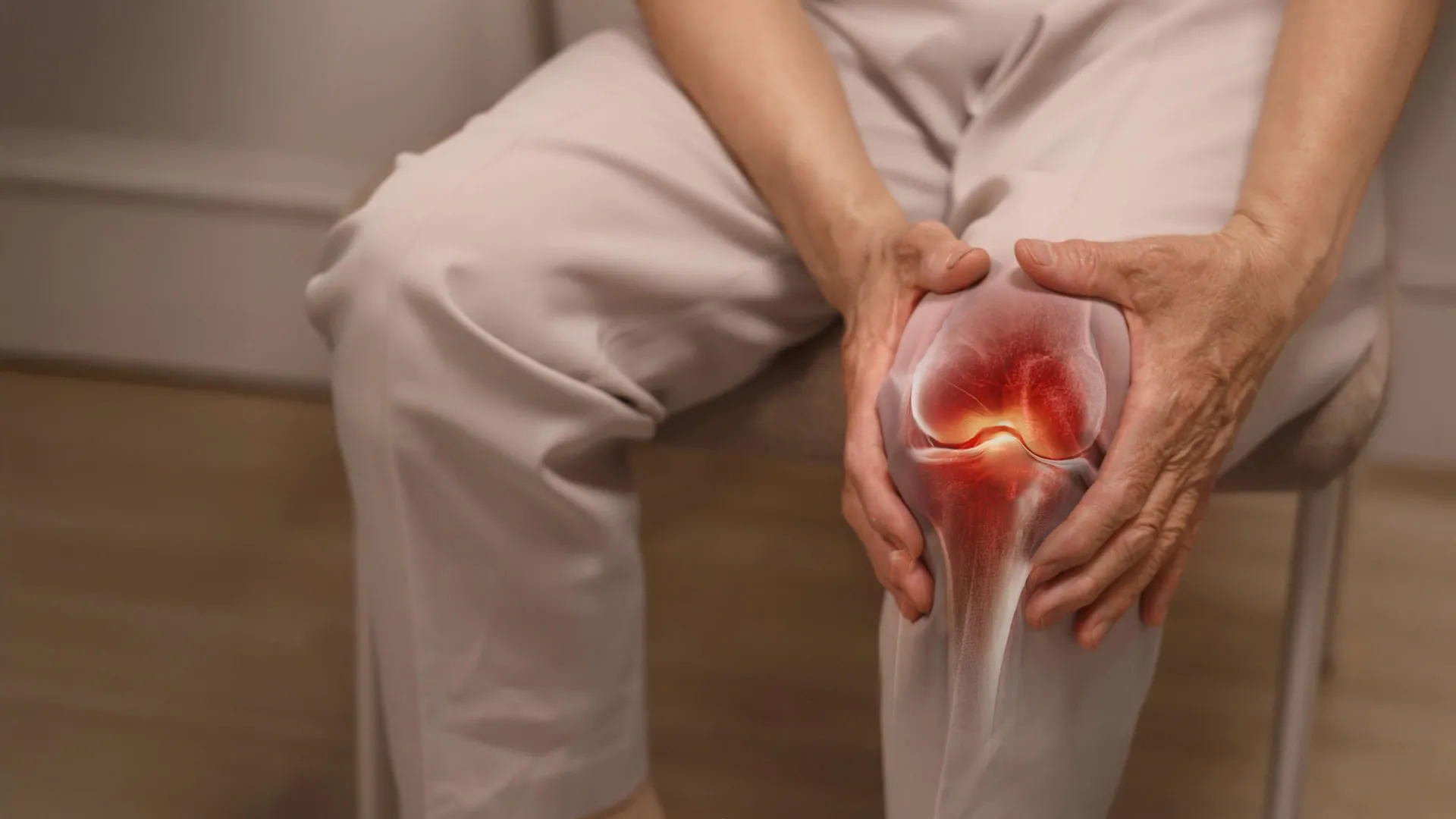
Why Joint Health Matters More Than Ever
Joint health is one of the most overlooked aspects of overall wellness—until pain, stiffness, or limited mobility begins to interfere with daily life. In today's fast-paced world, more people are experiencing joint problems at younger ages. Sedentary lifestyles, poor nutrition, repetitive strain, and chronic stress all contribute to the gradual breakdown of joint structures.
The good news? Joint damage is not always permanent. Advances in regenerative medicine have opened the door to non-surgical, long-term solutions.
Understanding Joint Structure and Function
A joint is the point where two or more bones meet. There are several types: hinge joints (knees, elbows), ball-and-socket joints (hips, shoulders), pivot joints (neck), and gliding joints (wrists, ankles).
Key components of a healthy joint:
- Cartilage — smooth, rubbery tissue that reduces friction and absorbs shock. It has no direct blood supply, making healing slow.
- Synovial fluid — thick liquid that lubricates joints and delivers nutrients to cartilage.
- Ligaments — strong bands of connective tissue that stabilize joints.
- Tendons — connect muscles to bones and enable movement.
- Muscles — provide strength, support, and mobility.
The Science of Joint Degeneration
Joint degeneration develops gradually due to aging, repetitive stress, injuries, inflammation, and lifestyle habits. It typically involves the breakdown of cartilage, reduced synovial fluid, inflammation, and weakening of surrounding tissues.
Common causes:
- Aging — collagen production decreases, cartilage thins, recovery slows.
- Repetitive stress — running, lifting, repetitive work motions.
- Injury — ligament tears, fractures, cartilage damage.
- Chronic inflammation — accelerates tissue breakdown.
- Poor lifestyle habits — lack of exercise, unhealthy diet, smoking, excess weight.
Can Joints Really Regenerate?
The body has limited regenerative ability, especially for cartilage. However, small injuries can heal, surrounding tissues can strengthen, inflammation can be reduced, and function can be restored.
Repair vs. Regeneration: Repair fixes damage with scar tissue formation; regeneration restores original tissue structure. Most natural methods focus on creating the best possible environment for regeneration.
The Role of Inflammation
Acute inflammation helps the body heal after injury, but chronic inflammation damages tissues over time. Signs of chronic inflammation include persistent pain, swelling, stiffness, and fatigue.
Reducing inflammation naturally: anti-inflammatory diet, regular movement, stress management, quality sleep.
Nutrition for Joint Regeneration
Essential nutrients:
- Collagen — supports cartilage structure
- Vitamin C — essential for collagen production
- Omega-3 fatty acids — reduce inflammation
- Magnesium — supports muscle and nerve function
- Antioxidants — protect joint tissues
Best foods: fatty fish, leafy greens, berries, nuts and seeds, bone broth, turmeric and ginger.
Foods to avoid: processed foods, sugar, trans fats, excess alcohol.
Movement as Medicine
Movement helps circulate synovial fluid, strengthen muscles, and maintain flexibility. Best low-impact options: walking, swimming, cycling, yoga.
Lifestyle Habits That Support Regeneration
- Sleep and recovery — the body repairs itself during sleep.
- Stress management — chronic stress increases inflammation.
- Hydration — water is essential for joint lubrication.
- Posture and ergonomics — proper alignment reduces strain.
Regenerative Therapies
Common non-surgical options include Platelet-Rich Plasma (PRP), Stem Cell Therapy, Prolotherapy, and Shockwave Therapy. These treatments stimulate the body's healing response and are often integrated into a broader regenerative medicine plan for chronic joint pain. For background on the cushioning tissue most affected by degeneration, see cartilage on Wikipedia.
FAQs
Can joint pain go away naturally? Yes, depending on the cause and severity.
Is exercise safe with joint pain? Low-impact exercise is beneficial.
How long does healing take? Weeks to months, depending on the condition.
Do supplements help? They can support overall joint health.
Conclusion
Joint regeneration is a realistic and achievable goal when approached with the right combination of knowledge, consistency, and care. By improving nutrition, staying active with low-impact exercise, managing weight, prioritizing recovery, and exploring supportive therapies when needed, you can significantly improve mobility, reduce pain, and enhance quality of life.