
Physical Rehabilitation Roadmap: From Injury to Strength and Confidence
Move from injury to strength and confidence with a structured physical rehabilitation roadmap designed to support safe, effective recovery.
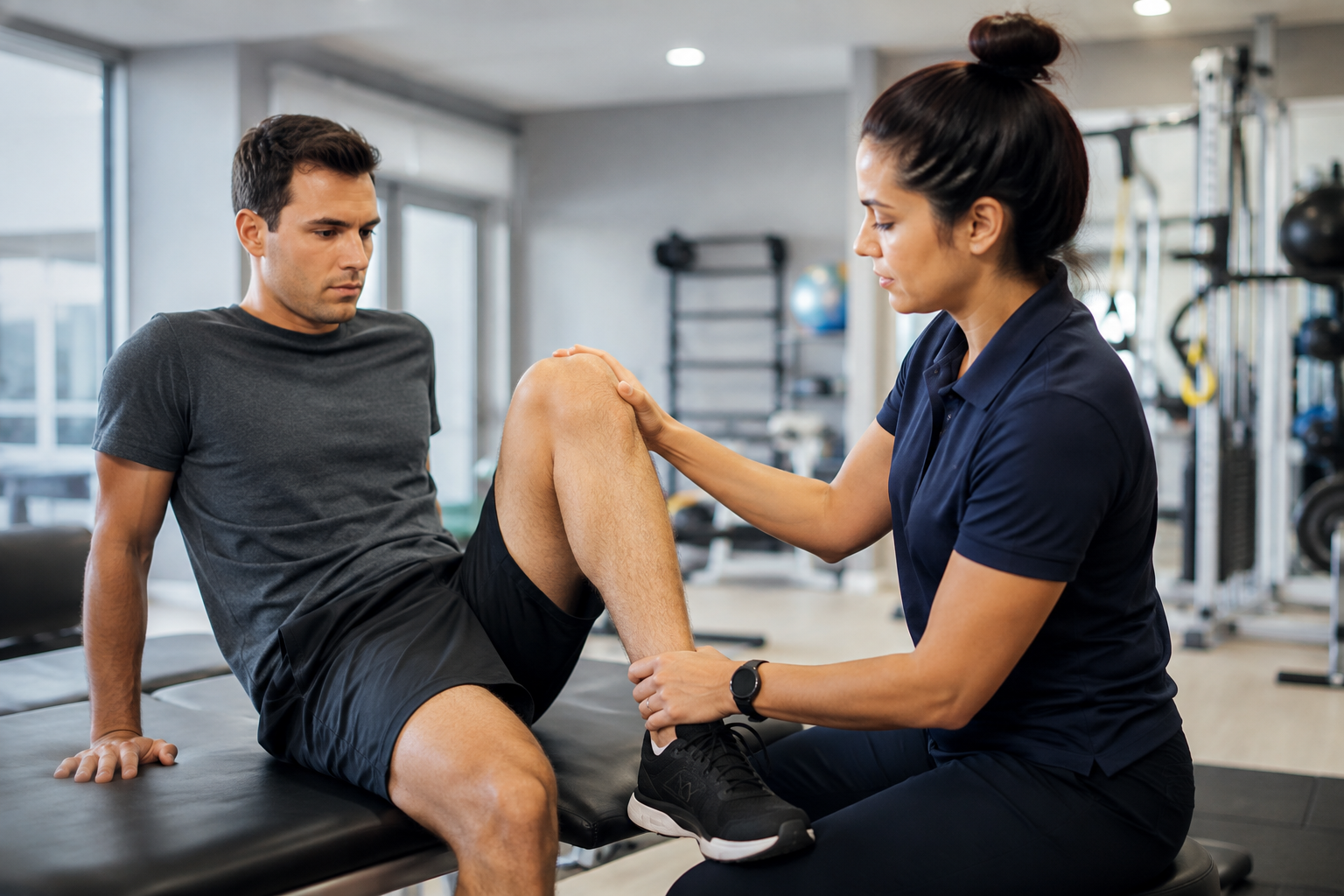
Physical Rehabilitation Roadmap: From Injury to Strength and Confidence
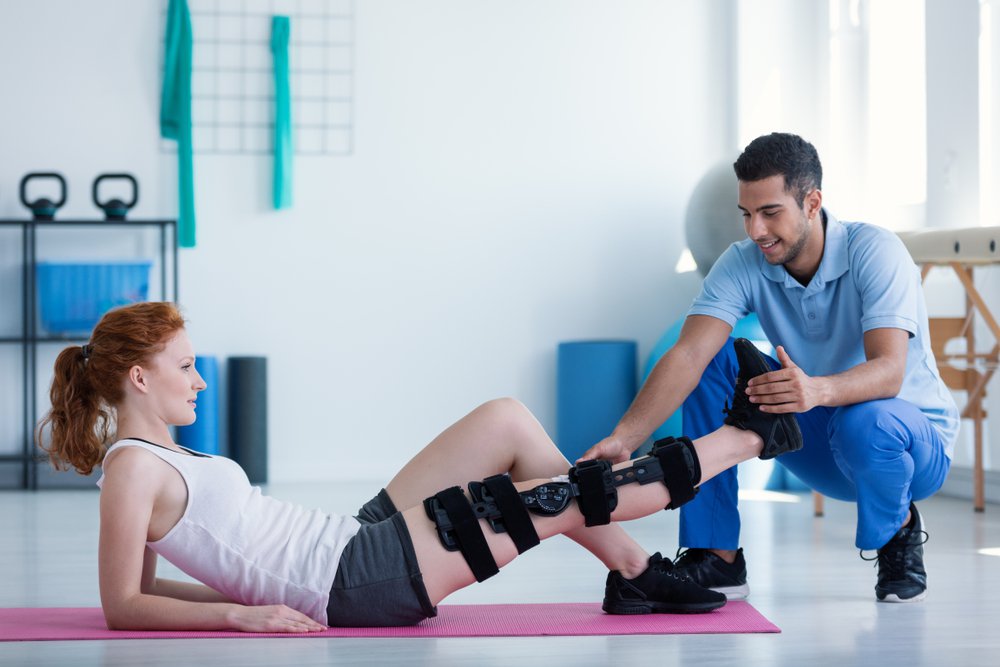
Physical rehabilitation is one of the most powerful tools available for restoring mobility, reducing pain, rebuilding strength, and regaining confidence after injury or illness. At DFW Back To Health - Physical Medicine, rehabilitation programs are designed to provide patient-centered care that addresses not only symptoms but also long-term wellness and injury prevention.
In modern healthcare, rehabilitation is no longer viewed as a short-term treatment phase. Instead, it is considered a comprehensive healing journey. Whether you are recovering from surgery, sports injuries, chronic pain, workplace accidents, or degenerative conditions, a structured rehabilitation roadmap can help you safely return to daily activities, sports participation, and an improved quality of life.
This 2500+ word guide explores every stage of physical rehabilitation, providing deep insights into healing science, therapy approaches, mental recovery, lifestyle integration, and long-term body maintenance.
Understanding Physical Rehabilitation
Physical rehabilitation is a medical and therapeutic process designed to restore physical function after injury, disease, or surgery. The main goals include:
Pain reduction
Muscle strength restoration
Joint mobility improvement
Balance and coordination enhancement
Functional independence recovery
Injury recurrence prevention
Rehabilitation is highly individualized. Two patients with similar injuries may follow different treatment plans based on age, fitness level, lifestyle, occupation, and recovery goals.
At DFW Back To Health, rehabilitation programs are built around functional medicine principles combined with modern therapeutic techniques.
Why Rehabilitation Matters After Injury
Many people underestimate the importance of structured rehabilitation. Without proper therapy, injuries may heal improperly, leading to:
Chronic pain
Limited mobility
Muscle imbalances
Poor posture mechanics
Higher reinjury risk
Rehabilitation ensures that tissues heal correctly while maintaining strength and flexibility throughout the recovery process.
Another critical aspect is neurological adaptation. The brain must relearn movement patterns after injury. Therapy helps rebuild communication between muscles, nerves, and joints.
Assessment and Diagnosis — The Foundation of Recovery
Every successful rehabilitation journey begins with a detailed assessment. During this phase, therapists carefully evaluate physical function, range of motion, muscle strength, posture alignment, pain levels, medical history, lifestyle habits, and daily activity requirements. This comprehensive evaluation helps identify movement limitations, muscle imbalances, and injury severity. Based on the findings, therapists create a personalized treatment plan tailored to each patient’s unique needs and recovery goals. A well-designed rehabilitation plan supports safe healing, improves mobility, reduces pain, restores strength, and enhances overall functional performance. Regular reassessment ensures treatment remains effective and adjusts as the patient progresses through recovery stages.
Physical Function
Range of motion
Muscle strength
Postural alignment
Joint stability
Walking mechanics
Medical History
Previous injuries
Surgeries
Chronic medical conditions
Activity level before injury
Lifestyle Factors
Job requirements
Athletic goals
Daily functional tasks
At DFW Back To Health, assessment is not just about diagnosing injury — it is about understanding the patient’s life demands.
A professional assessment helps determine:
Which tissues are damaged
How healing is progressing
What exercises are safe to begin
Without proper assessment, rehabilitation can become inefficient or even harmful.
Pain Management and Early Healing Protection
Pain management is often the first therapeutic priority. Severe pain can prevent patients from participating in necessary rehabilitation exercises. Controlling pain through physical therapy techniques, prescribed medication, and therapeutic modalities helps improve comfort, reduce inflammation, and restore movement ability. Effective pain control allows patients to participate safely in exercises, improve circulation, and support tissue healing. Proper pain management also helps prevent muscle guarding, improves mobility, and allows patients to progress steadily through their rehabilitation recovery program toward strength, independence, and long-term functional improvement.
Therapeutic Pain Control Methods
Manual Therapy
Manual therapy involves hands-on techniques used to:
Improve circulation
Reduce muscle spasms
Improve joint mobility
Modalities and Technology
Modern clinics may use:
Heat therapy to relax tissues
Cold therapy to reduce inflammation
Electrical stimulation for muscle activation
Gentle Movement Therapy
Contrary to old beliefs, complete immobilization is rarely recommended unless medically necessary.
Controlled movement helps:
Promote blood flow
Reduce stiffness
Accelerate tissue repair
During this stage, therapists focus on protecting healing tissues while maintaining minimal movement.
Mobility Restoration and Range of Motion Training
After inflammation and severe pain decrease, the focus shifts toward restoring normal mobility through stretching, range-of-motion exercises, and controlled movement. Improving mobility helps reduce stiffness, restore flexibility, enhance blood circulation, support proper muscle function, and improve joint health. These exercises also help retrain movement patterns, prevent scar tissue restriction, and prepare the body for strength training and functional rehabilitation activities. Gradual mobility improvement is essential for safe recovery, reducing reinjury risk, and helping patients return to daily activities, work responsibilities, and active lifestyles with greater comfort and confidence.
Range of Motion Exercises
These exercises help joints move through natural movement patterns.
Examples include:
Shoulder rotation exercises
Knee bending and straightening drills
Spine flexibility movements
Stretching must always be performed carefully. Overstretching healing tissues can delay recovery.
Mobility training also improves:
Circulation
Lymphatic drainage
Muscle elasticity
Patients often feel immediate improvements in daily activities such as bending, reaching, and walking.
Strength Training and Muscle Rebuilding
Strength training is one of the most important stages in rehabilitation. After injury, muscles often become weak due to disuse and inactivity. Strength training helps restore muscle fiber size, endurance, and power while improving joint stability and overall body control. It also enhances functional movement patterns, reduces chronic pain, supports proper posture, and increases long-term physical performance. Consistent strength training helps prevent future injuries, improves balance and coordination, and supports safe return to work, sports, and daily activities with greater confidence and physical resilience.
Types of Therapeutic Strength Training
Isometric Exercises
These involve muscle contraction without joint movement. They are excellent for early-stage rehabilitation.
Resistance Training
Using:
Resistance bands
Light weights
Bodyweight exercises
Resistance training helps rebuild functional strength needed for daily activities.
Core Stability Training
Core muscles stabilize the spine and pelvis. Strong core muscles reduce back pain and improve balance.
At this stage, therapists carefully monitor fatigue levels and pain response.
Functional Training and Real-Life Movement Integration
Functional training prepares patients to return to normal life activities. Instead of isolated muscle exercises, therapy now focuses on real-world movement patterns such as lifting, bending, walking, reaching, climbing stairs, and carrying objects. This training helps restore independence, improve coordination, rebuild physical confidence, and enhance balance and body control. Functional rehabilitation also strengthens muscles used in daily tasks, reduces injury risk, improves movement efficiency, and safely transitions patients back into work responsibilities, household activities, sports participation, and active lifestyles with better physical endurance and stability.
Examples include:
Lifting objects safely
Climbing stairs
Reaching overhead
Squatting correctly
Athletes may begin sport-specific training, while office workers may focus on ergonomic posture education.
Functional training bridges the gap between therapy and real-life independence.
Balance, Coordination, and Neurological Recovery
Balance training is especially important for:
Older adults
Post-surgical patients
Neurological condition recovery
Balance training may include:
Stability ball exercises
Standing balance drills
Walking coordination exercises
Neurological rehabilitation focuses on rebuilding brain-body coordination pathways.
This stage is essential for preventing falls and improving confidence in movement.
Psychological Recovery and Confidence Building
Physical injury does not only affect the body — it also affects mental health, often causing anxiety, fear of reinjury, reduced confidence, emotional stress, mood changes, and decreased motivation. Comprehensive rehabilitation supports both physical recovery and psychological healing for complete wellness and long-term quality of life.
Many patients experience:
Fear of reinjury
Anxiety about returning to sports or work
Reduced confidence in movement
Therapists help patients overcome these challenges through:
Gradual exposure to movement challenges
Positive reinforcement
Goal-setting strategies
Confidence is a critical component of full recovery.
Injury Prevention and Long-Term Maintenance
The final phase of rehabilitation focuses on long-term wellness, injury prevention, and maintaining strength, mobility, and balance. Patients learn proper posture, safe movement techniques, exercise routines, and lifestyle habits. This phase ensures lasting recovery, reduces reinjury risk, improves confidence, and supports overall physical and mental health for daily life activities.
Patients learn:
Proper lifting mechanics
Posture correction techniques
Stretching routines
Strength maintenance programs
Lifestyle education is equally important. Nutrition, hydration, sleep quality, and stress management all impact recovery.
Rehabilitation does not end when pain disappears — it continues through lifelong health maintenance.
Conditions Treated with Rehabilitation Therapy
Physical rehabilitation can help with many conditions including:
Sports injuries
Back and neck pain
Arthritis
Post-surgical recovery
Work-related injuries
Chronic pain syndromes
Neurological disorders
Each condition requires a customized therapeutic approach.
The Role of Technology in Modern Rehabilitation
Modern rehabilitation clinics use advanced technologies such as:
Movement tracking systems
Ultrasound therapy
Electrical muscle stimulation
Diagnostic imaging support
Technology improves treatment precision and recovery speed.
Lifestyle Factors That Accelerate Healing
Nutrition
Protein supports muscle repair, while anti-inflammatory foods help reduce swelling, speed healing, strengthen tissues, and improve overall recovery and physical rehabilitation outcomes.
Sleep
Sleep is essential for tissue regeneration and hormone balance, supporting muscle repair, immune function, energy restoration, and faster overall recovery during rehabilitation.
Hydration
Water supports joint lubrication and circulation, improves nutrient delivery, removes waste products, reduces stiffness, and promotes faster healing during physical rehabilitation recovery.
Stress Management
Chronic stress slows healing processes by increasing inflammation, weakening immunity, disrupting hormone balance, increasing pain sensitivity, and delaying physical rehabilitation recovery progress.
Common Rehabilitation Mistakes to Avoid
Many patients make mistakes that slow recovery, such as skipping therapy sessions, overexerting too soon, ignoring pain signals, maintaining poor posture, and not following prescribed home exercises. Lack of proper nutrition, hydration, sleep, and consistent communication with healthcare providers can also delay healing and increase reinjury risk.
Skipping Therapy Sessions
Consistency is critical for rehabilitation success, helping rebuild strength, improve mobility, support healing, and prevent reinjury through steady, structured therapy progress.
Overtraining
Too much exercise too soon can cause setbacks, increasing pain, inflammation, muscle strain, and delaying healing during the rehabilitation recovery process.
Ignoring Pain Signals
Pain is often the body’s warning system, signaling injury, inflammation, or overuse. Listening to pain helps prevent further damage and supports safer recovery.
Poor Posture Habits
Bad posture strains muscles and joints, slows healing, increases pain, disrupts alignment, and significantly prolongs overall injury recovery progress.
When Should You Start Rehabilitation?
Rehabilitation should begin as soon as medically safe to promote faster healing, restore mobility, and prevent complications. Early therapy improves circulation, reduces stiffness, rebuilds strength, and supports nervous system recovery. Following professional guidance ensures safe progression, better functional outcomes, and long-term injury prevention during recovery.
Early therapy often leads to:
Faster recovery
Better functional outcomes
Reduced long-term complications
Always consult medical professionals before starting exercise programs after injury or surgery.
FAQs
How long does rehabilitation take?
Recovery time depends on injury severity. Minor injuries may recover in weeks, while complex injuries may require months.
Is rehabilitation painful?
Rehabilitation may cause mild discomfort, but severe pain should be reported to your therapist.
Can I do rehab exercises at home?
Yes, many therapists provide home exercise programs for continued recovery.
What if I stop therapy early?
Stopping therapy early increases reinjury risk and may lead to incomplete healing.
Can rehabilitation help with chronic pain?
Yes. Many chronic pain conditions improve with targeted therapy and strengthening programs.
Conclusion
Physical rehabilitation is a structured journey from injury to strength, independence, and confidence. By following a progressive roadmap — including assessment, pain control, mobility restoration, strength building, functional training, and prevention — patients can achieve long-lasting recovery and improved physical performance. Each stage is carefully designed to support natural healing, rebuild muscle function, improve flexibility, and enhance overall body mechanics. Consistent therapy and proper medical guidance help reduce complications and prevent future injuries.
Healthcare providers at DFW Back To Health are dedicated to helping patients regain mobility, reduce pain, and return to active lifestyles with confidence and safety. Their patient-centered rehabilitation programs focus on personalized care, advanced therapeutic techniques, and education to promote long-term wellness. Rehabilitation is not just about healing injuries; it is about restoring quality of life, independence, emotional confidence, and the ability to enjoy daily activities, work responsibilities, and recreational interests with comfort and strength.
Why Choose Back To Health?
At DFW Back To Health, patients receive comprehensive care that combines medical knowledge, therapy science, and patient education.
Contact Information:
📍 Address: 7557 Rambler Road, #720 Dallas, TX 75231
📞 Phone: +1 (214) 361-9355
📧 Email: appointments@dfwbacktohealth.com
🌐 Website:
Take the first step toward strength, mobility, and confidence today!