
Red Light Therapy for Stress Relief and Recovery: Beyond Pain Management+
Red Light Therapy for Stress Relief and Recovery: Beyond Pain Management+ In today’s fast-paced, high-pressure world, stress has become an almost constant companion for many individuals. Chronic stress doesn’t just…
Red Light Therapy for Stress Relief and Recovery: Beyond Pain Management+

In today’s fast-paced, high-pressure world, stress has become an almost constant companion for many individuals. Chronic stress doesn’t just affect mental well-being—it also takes a significant toll on physical health. Persistent stress can lead to poor sleep quality, heightened inflammation, weakened immune function, and delayed recovery from injuries or intense physical activity. While traditional stress management techniques, such as regular exercise, meditation, mindfulness practices, and counseling, remain highly effective, many people are now seeking innovative, science-backed therapies to complement these methods.
One such emerging therapy is red light therapy (RLT), a non-invasive treatment that uses low-level red or near-infrared light to stimulate cellular function. Unlike other treatments, RLT works at the cellular level, enhancing energy production in the body’s cells, reducing inflammation, and supporting tissue repair. This unique mechanism not only helps with physical recovery but also contributes to mental wellness by improving sleep quality, balancing stress hormones, and promoting relaxation.
In this article, we will explore how red light therapy works, its benefits beyond pain management, its impact on mental health, and its role in supporting recovery. Additionally, we’ll provide guidance on how to safely incorporate RLT into your wellness routine for maximum results.
Understanding Red Light Therapy
Red light therapy, also called low-level laser therapy (LLLT) or photobiomodulation, is a non-invasive treatment that uses low-wavelength red or near-infrared light to stimulate the body’s cells. Unlike ultraviolet (UV) light, red light does not damage the skin and is completely safe when used correctly. The light penetrates the skin and interacts with the mitochondria, the energy-producing centers of cells, boosting ATP production and enhancing cellular function. This process supports healing, tissue repair, inflammation reduction, and overall wellness, making red light therapy an effective tool for physical recovery, stress relief, and improved mental and physical health.
How Red Light Therapy Works
At its core, red light therapy works by targeting the mitochondria, often referred to as the energy powerhouses of your cells. When red or near-infrared light penetrates the skin, it is absorbed by these cellular structures, stimulating them to produce more adenosine triphosphate (ATP)—the primary energy currency of the body. This boost in cellular energy enhances the cell’s ability to repair itself, reduce oxidative stress, and function optimally. By supporting mitochondrial activity, red light therapy promotes healing, tissue regeneration, improved circulation, and reduced inflammation, making it a powerful tool for both physical recovery and overall wellness.
Mitochondrial Activation
Red and near-infrared light penetrate the skin and are absorbed by the mitochondria. This absorption stimulates the production of adenosine triphosphate (ATP), which is the primary energy source for cells. Increased ATP production enhances the cell’s ability to repair itself, fight stressors, and function optimally.Enhanced Circulation
RLT improves blood flow by encouraging the formation of new capillaries and improving oxygen delivery to tissues. Improved circulation accelerates tissue repair and supports detoxification, which is especially beneficial after physical stress or injury.Anti-Inflammatory Effects
Chronic stress and physical exertion often trigger inflammation. Red light therapy has been shown to modulate inflammatory responses, reducing swelling and oxidative stress at the cellular level.Collagen and Tissue Health
By stimulating fibroblasts, red light therapy increases collagen production, which supports skin elasticity, joint health, and muscle recovery.Hormonal Balance
Research indicates that red light therapy can influence hormone production, including cortisol and melatonin, which play critical roles in stress management and sleep regulation.
Stress Relief with Red Light Therapy
Stress is the body’s natural response to physical, mental, or emotional pressure. While short-term stress can be beneficial, chronic stress can negatively affect health, disrupting sleep, increasing anxiety, weakening the immune system, and slowing recovery from injuries. Red light therapy offers a promising solution by promoting cellular health, improving mitochondrial function, and supporting hormonal balance. It enhances mental clarity, reduces fatigue, and helps the body manage stress more effectively. By stimulating circulation and cellular repair, red light therapy can aid in relaxation and overall well-being, making it a valuable tool for combating the harmful effects of chronic stress.
Cortisol Regulation
Cortisol, often referred to as the “stress hormone,” is vital in managing your body’s response to stress. While acute cortisol spikes can be beneficial in short-term stress, chronic elevation can lead to fatigue, anxiety, weight gain, and poor sleep. Red light therapy helps normalize cortisol levels, promoting a calmer nervous system and reducing the physical impacts of chronic stress.
Improved Sleep Patterns
Sleep disruption is both a cause and a consequence of stress. Red light therapy has been shown to enhance melatonin production, which helps regulate the circadian rhythm. Improved sleep quality supports:
Cognitive function and memory
Emotional resilience
Physical recovery from injury or exercise
Even a few sessions per week can promote better sleep, helping the body reset and prepare for the challenges of daily life.
Mood Enhancement
Beyond sleep, red light therapy may influence serotonin production, contributing to an improved mood and mental clarity. Studies suggest that RLT may be particularly beneficial for individuals experiencing mild to moderate anxiety, depression, or stress-related fatigue.
Recovery Benefits: Physical and Mental
Red light therapy extends beyond mental health benefits and is widely used in recovery protocols for athletes and individuals experiencing physical stress. By stimulating cellular energy production, it supports faster tissue repair, reduces inflammation, and alleviates muscle soreness. Athletes use red light therapy to enhance performance, accelerate recovery after intense training, and prevent injuries, while non-athletes benefit from improved circulation, joint health, and relief from chronic pain or physical strain. Its non-invasive and natural approach makes it a safe option for promoting overall physical wellness. Regular sessions can help the body recover more efficiently and maintain long-term health.
Muscle Recovery
After intense workouts or physical labor, muscle tissues can become inflamed and sore. Red light therapy stimulates blood flow and cellular repair, reducing recovery time and helping muscles rebuild more efficiently. Athletes often use RLT to:
Reduce delayed onset muscle soreness (DOMS)
Speed up recovery from strains or sprains
Improve joint flexibility and reduce stiffness
Tissue Repair and Wound Healing
RLT promotes collagen production and cellular regeneration, making it valuable for wound healing, scar reduction, and tissue repair. Whether recovering from surgery or a sports injury, regular sessions can accelerate healing and minimize downtime.
Immune System Support
By improving cellular function and reducing oxidative stress, RLT can enhance immune response. A healthier immune system is better equipped to handle stress, recover from illness, and prevent chronic inflammation.
Beyond Pain Management: Comprehensive Benefits
Red light therapy offers a wide range of benefits that extend far beyond traditional pain management:
Skin Health
Red light stimulates collagen production, helping reduce fine lines, wrinkles, and skin damage. It’s often used in anti-aging treatments and to promote overall skin vitality.Joint and Bone Health
RLT supports joint flexibility and may help reduce symptoms of arthritis or joint stiffness by promoting tissue repair and reducing inflammation.Cognitive Function
Some studies indicate that near-infrared light can improve cerebral blood flow, potentially enhancing memory, focus, and cognitive performance.Emotional Well-Being
With its ability to influence serotonin and cortisol, RLT can boost mood and reduce symptoms of depression and anxiety, supporting emotional resilience.Energy and Vitality
By enhancing mitochondrial function, red light therapy improves overall energy levels, helping the body cope with daily stressors more efficiently.
How to Incorporate Red Light Therapy into Your Routine
Whether you are seeking stress relief, faster recovery, or overall wellness, red light therapy can be a safe and effective addition to your lifestyle. This non-invasive treatment works at the cellular level, enhancing energy production, reducing inflammation, and promoting tissue repair. It supports mental clarity, hormonal balance, and relaxation, helping the body manage stress more efficiently. For athletes and individuals experiencing physical strain, it accelerates recovery and reduces muscle soreness. Easy to integrate into daily routines, red light therapy offers a natural approach to improving both physical and mental well-being, making it a versatile tool for maintaining optimal health.
Professional Sessions
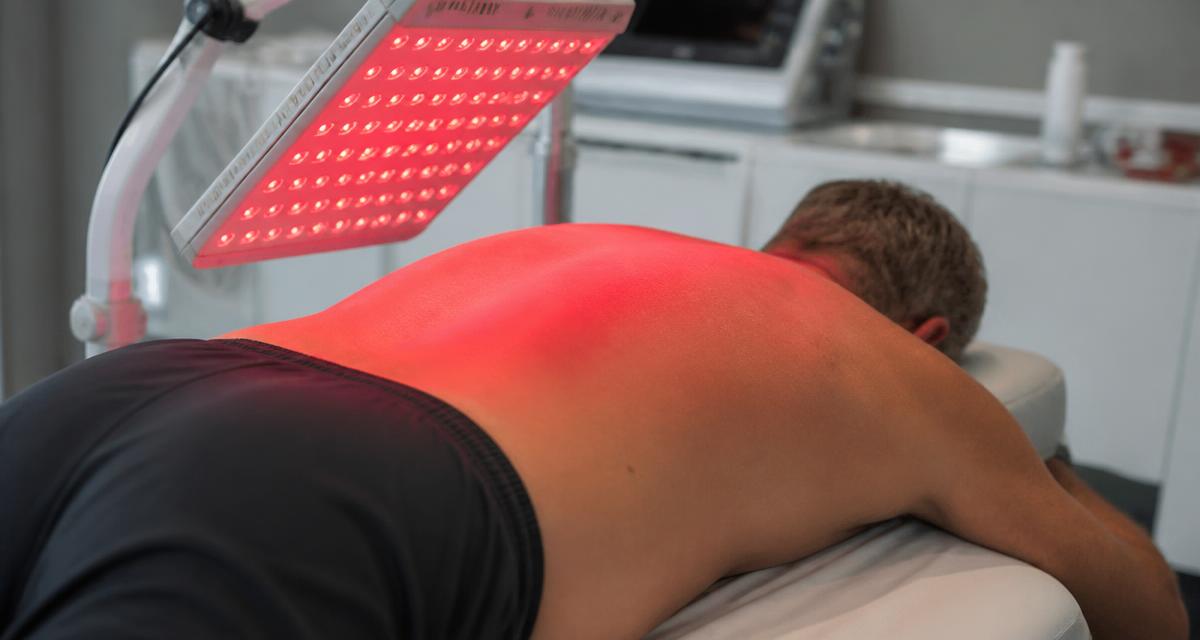
Visiting a specialized clinic like Back to Health Physical Medicine ensures you receive precise, effective treatment. Professional sessions offer:
Tailored protocols for stress, recovery, or pain
Targeted treatment to specific areas
Guidance from trained healthcare professionals
A typical session lasts 10–20 minutes, with frequency depending on your needs and treatment goals.
At-Home Devices
For convenience, at-home red light therapy devices are available, ranging from small handheld panels to full-body beds. Consistency is key—daily or several times per week sessions offer optimal benefits. Always follow the manufacturer’s instructions to prevent overexposure.
Timing and Frequency
Morning Sessions: Boost energy, focus, and alertness
Evening Sessions: Promote relaxation, melatonin production, and improved sleep
Consistency: Regular use is essential for cumulative benefits
Safety and Considerations
Red light therapy is generally safe for most adults, but certain precautions should be observed:
Eye Protection: Avoid staring directly at intense light sources; use protective goggles if recommended.
Medical Conditions: Consult your healthcare provider if you have photosensitive conditions, are pregnant, or have a chronic illness.
Device Quality: Use FDA-cleared or professionally recommended devices to ensure safety and effectiveness.
Who Can Benefit from Red Light Therapy?
Red light therapy is suitable for a wide range of individuals, including:
Those experiencing chronic stress or anxiety
Individuals recovering from physical injuries or intense workouts
People with sleep disturbances
Anyone seeking non-invasive wellness support
Athletes, office workers, or anyone under high mental or physical strain
FAQs About Red Light Therapy
Q1: Is red light therapy safe?
Yes, RLT is non-invasive and generally safe. It does not involve UV radiation and is unlikely to cause burns when used as directed.
Q2: How long until I notice results?
Some benefits, such as mood enhancement and improved sleep, may be noticed within a few sessions. Muscle recovery, skin health, and long-term stress reduction may take several weeks of consistent use.
Q3: Can I use RLT at home?
Yes. At-home devices are effective when used properly. Professional guidance can enhance safety and ensure targeted treatments.
Q4: Are there side effects?
Side effects are rare. Some users may experience mild eye strain or temporary redness if protocols are not followed.
Q5: Can RLT replace other stress management methods?
Red light therapy is complementary. It works best alongside meditation, exercise, therapy, and healthy lifestyle practices.
Real-World Applications and Success Stories
At clinics like Back to Health Physical Medicine, patients report remarkable improvements in pain relief, reduced inflammation, faster recovery, and enhanced mobility. Many also experience better sleep, reduced stress, and improved overall well-being. Red light therapy offers a safe, non-invasive solution that supports both physical and mental health effectively.
Stress reduction: Regular sessions have helped clients feel calmer and more focused
Muscle recovery: Athletes and active individuals experience faster recovery and reduced soreness
Sleep quality: Many users notice improved sleep duration and better rest
Mood stabilization: RLT helps reduce anxiety and improves emotional well-being
These results are supported by ongoing research and growing clinical evidence.
Conclusion
Red light therapy (RLT) is a versatile, non-invasive approach that goes far beyond traditional pain management. By stimulating cellular energy production, enhancing mitochondrial function, and supporting hormone regulation, it helps the body recover more efficiently while promoting overall wellness. RLT can reduce stress, improve sleep quality, elevate mood, and accelerate recovery from both mental and physical strain. Its ability to support cellular repair and circulation makes it beneficial for athletes, individuals dealing with chronic stress, and anyone seeking to optimize their health.
In today’s fast-paced world, chronic stress affects nearly every aspect of life, from mental clarity to physical resilience. Red light therapy provides a scientifically backed, natural solution that addresses these challenges holistically. Whether your goal is stress reduction, faster recovery, or enhanced overall well-being, incorporating RLT into your routine can be a safe, effective, and impactful way to support both body and mind, helping you feel healthier and more balanced every day.
Take the first step toward stress relief and recovery today! Schedule a session at Back to Health Physical Medicine and experience the benefits of red light therapy firsthand.
📍 Address: 7557 Rambler Road, Suite 720, Dallas, TX 75231, USA
📞 Phone: +1 (214) 361-9355
📧 Email: appointments@dfwbacktohealth.com
🌐 Website: