
The Synergy of Regenerative Medicine and Traditional Chiropractic Techniques
Learn how combining regenerative medicine with chiropractic care accelerates healing, relieves pain, and supports long-term wellness.
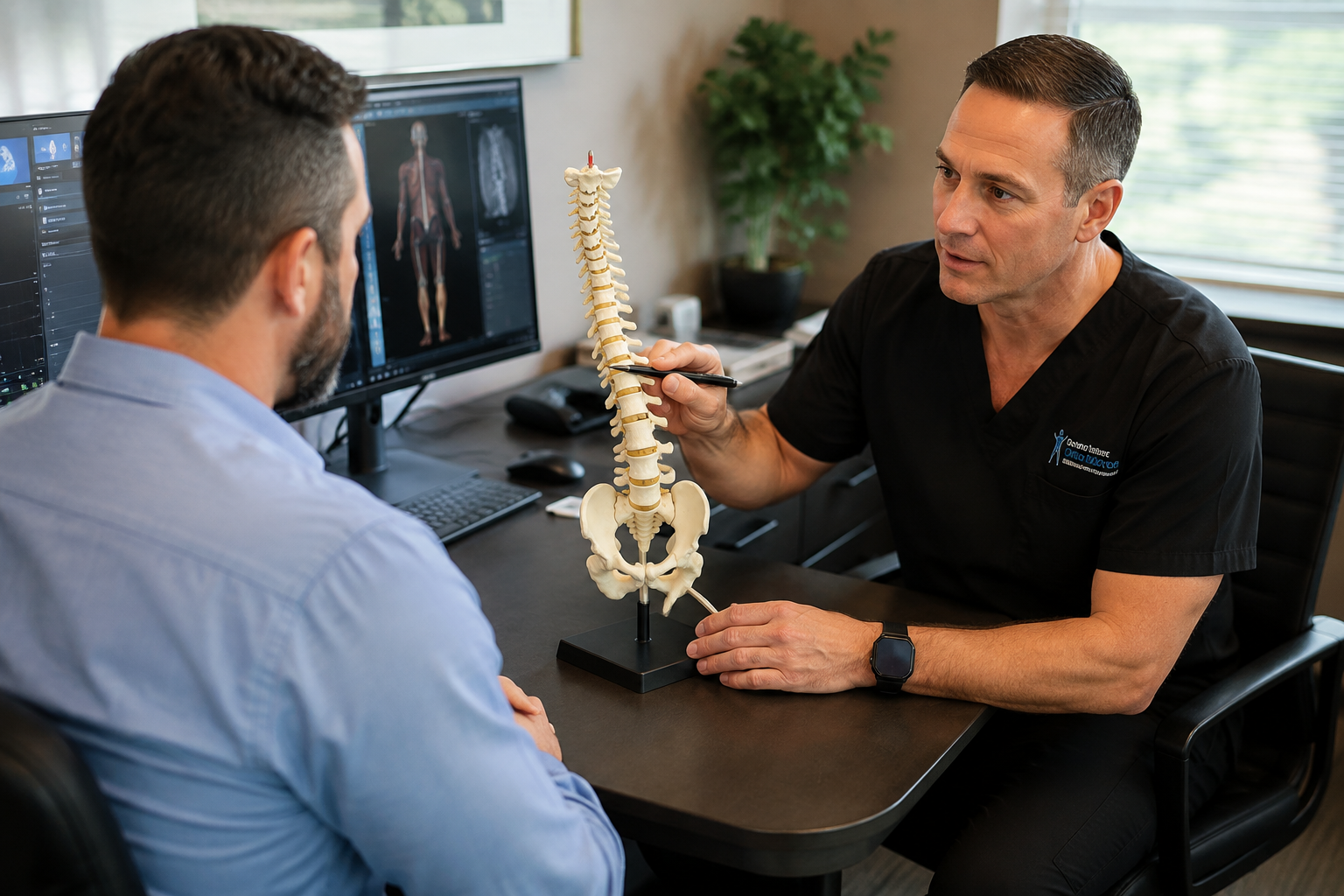
The Synergy of Regenerative Medicine and Traditional Chiropractic Techniques
In the rapidly evolving field of musculoskeletal health, two treatment approaches have gained significant attention for their ability to improve patient outcomes: regenerative medicine and traditional chiropractic care. Individually, each offers distinct advantages—regenerative medicine focuses on repairing and restoring damaged tissues at the cellular level, while chiropractic care emphasizes spinal and joint alignment to improve function and reduce nerve interference. Both approaches are effective for managing pain, enhancing mobility, and promoting overall wellness, but their true potential emerges when they are combined into an integrated care model.
When used together, regenerative therapies and chiropractic techniques create a synergistic effect that addresses both the underlying structural and functional causes of pain and dysfunction. This means that tissue repair is complemented by improved biomechanics, leading to faster healing, reduced inflammation, and a lower risk of re-injury. Patients benefit not only from immediate symptom relief but also from long-term improvements in posture, flexibility, and overall musculoskeletal function.
This article delves into how these therapies work in harmony, the science supporting their effectiveness, practical real-world applications, and the variety of conditions that respond well to this combined approach. By the end, you’ll gain a clear understanding of how integrated care can transform recovery, enhance performance, and support lasting musculoskeletal health.
What Is Regenerative Medicine?
Regenerative medicine is an innovative branch of healthcare that focuses on repairing, replacing, or regenerating damaged tissues and organs by harnessing the body’s natural healing abilities. Unlike traditional treatments that often mask pain or manage symptoms temporarily, regenerative therapies aim to restore normal function, improve tissue quality, and promote long-term recovery. Techniques such as platelet-rich plasma (PRP) therapy, stem cell therapy, and prolotherapy stimulate the body’s own repair processes, reduce inflammation, and enhance cellular regeneration. By targeting the root cause of injury or degeneration, regenerative medicine provides a proactive, holistic approach that supports lasting musculoskeletal health and overall wellness.
The Science Behind Regenerative Medicine
At its core, regenerative medicine leverages the body’s innate ability to heal itself. When tissues are injured, the body naturally releases chemical signals that recruit stem cells, platelets, and growth factors to begin the repair process. In many cases, however, particularly with chronic injuries, degenerative conditions, or aging tissues, these natural healing mechanisms are insufficient to restore full function. Regenerative medicine works by enhancing and supporting these biological processes, using therapies such as stem cells, PRP, and exosomes to stimulate tissue regeneration, reduce inflammation, and accelerate recovery. This approach allows damaged tissues to heal more effectively and efficiently, promoting long-term health.
Research shows that therapies like PRP and stem cells can:
Stimulate collagen production for stronger connective tissue
Promote angiogenesis, the formation of new blood vessels
Reduce chronic inflammation in joints and tendons
Potentially regenerate cartilage and tendon tissue that typically heals poorly
Common Regenerative Therapies
Platelet-Rich Plasma (PRP) Therapy
PRP uses the patient’s own blood, concentrated with platelets, to release growth factors that stimulate tissue repair. It is often used for:Tendon injuries (e.g., tennis elbow, Achilles tendinitis)
Ligament sprains
Degenerative joint disease
Stem Cell Therapy
Stem cells have the unique ability to transform into different tissue types. When injected into damaged tissue, they:Promote tissue regeneration
Reduce inflammation
Support structural repair in joints and connective tissues
Prolotherapy
Prolotherapy involves injecting a solution (often dextrose-based) into injured ligaments or tendons to trigger a healing response, strengthening the tissue over time.
Exosome Therapy
Exosomes are signaling molecules derived from stem cells. They communicate with surrounding cells to promote repair and reduce inflammation, representing a cutting-edge approach in regenerative medicine.
Why Regenerative Medicine Matters
Regenerative medicine provides multiple significant benefits for healing and recovery.
Addresses the root cause of injury instead of only masking pain
Reduces inflammation and scar tissue formation
Speeds healing, particularly in chronic or difficult-to-heal injuries
May delay or prevent the need for invasive surgery
What Is Traditional Chiropractic Care?
Chiropractic care is a safe, non-invasive healthcare approach that focuses on the musculoskeletal system, with particular emphasis on the spine. By using hands-on adjustments, mobilization techniques, and soft tissue therapies, chiropractors work to restore proper spinal and joint alignment, reduce nerve interference, and improve overall body function. This care not only helps alleviate pain in the back, neck, and joints but also enhances mobility, flexibility, and posture. Additionally, chiropractic treatment supports the nervous system, promotes natural healing, and helps prevent future injuries, making it an effective and holistic approach for maintaining long-term musculoskeletal health and overall well-being.
Core Principles of Chiropractic
The nervous system controls every bodily function.
Misalignments (subluxations) can disrupt nerve communication.
Correcting alignment restores balance and promotes natural healing.
Common Chiropractic Techniques
Spinal Adjustments (Manipulation)
The hallmark of chiropractic care, spinal adjustments aim to correct misalignments that interfere with nervous system function.Soft Tissue Therapy
Includes techniques like myofascial release and trigger point therapy to improve muscle function and reduce tension.Mobilization
Gentle movements that restore joint mobility without forceful manipulation.Therapeutic Exercises
Tailored exercises that strengthen muscles and support spinal alignment.Postural and Lifestyle Coaching
Education on ergonomics, habits, and daily activities that impact spinal and joint health.
Benefits of Chiropractic Care
Reduces pain in the back, neck, joints, and extremities
Improves mobility and flexibility
Enhances athletic performance
Supports neurological function
Reduces dependency on pain medications
The Science of Integration: Why Combine Regenerative Medicine and Chiropractic Care?
When regenerative medicine is combined with chiropractic care, patients often experience a more comprehensive and effective healing process that addresses both the body’s structure and its function. Regenerative injections, such as PRP or stem cell therapy, work at the cellular level to repair damaged tissues, reduce inflammation, and stimulate natural healing. Meanwhile, chiropractic adjustments restore proper spinal and joint alignment, improve nerve communication, and enhance overall biomechanics. By working together, these therapies not only promote tissue regeneration but also ensure that the body moves correctly and efficiently, reducing the risk of re-injury and supporting long-term musculoskeletal health and functional improvement.
1. Creating an Optimal Healing Environment
After regenerative injections (PRP, stem cells, or exosomes), the body requires proper alignment and mechanics for optimal healing. Chiropractic care can:
Improve joint biomechanics
Reduce compensatory stress
Enhance blood and lymphatic flow
This synergy ensures regenerative therapies achieve maximum efficacy.
2. Faster Functional Recovery
Regenerative procedures repair tissue, but poor biomechanics can lead to re-injury or suboptimal healing. Chiropractic care:
Corrects spinal and joint alignment
Restores natural movement patterns
Decreases stress on healing tissues
The combination often leads to shorter recovery times compared to either therapy alone.
3. Pain Reduction and Inflammation Control
Both therapies address pain, but through different mechanisms:
Regenerative medicine: Reduces inflammation and promotes tissue repair
Chiropractic care: Relieves mechanical stress and nerve interference
Together, they create a multi-dimensional pain relief strategy.
4. Holistic, Long-Term Approach
Instead of just masking symptoms, this integrated model:
Promotes healing at the source
Encourages proper movement patterns
Supports long-term musculoskeletal health
Conditions That Benefit From Combined Care
An integrated approach combining regenerative medicine and chiropractic care is highly effective for a wide range of musculoskeletal conditions. By addressing both tissue health and structural alignment, this method targets the underlying causes of pain and dysfunction rather than just masking symptoms. Conditions such as chronic back and neck pain, arthritis, joint degeneration, tendon and ligament injuries, sciatica, and sports-related injuries respond particularly well. Even post-surgical rehabilitation can benefit from this combined strategy. Patients often experience faster recovery, improved mobility, reduced inflammation, and enhanced overall function, making this holistic approach a versatile and powerful solution for long-term musculoskeletal health.
Chronic Back and Neck Pain
Degenerative discs and ligament injuries respond to regenerative injections. Chiropractic adjustments restore spinal alignment, reduce nerve irritation, and improve posture.
Arthritis and Joint Degeneration
PRP or stem cell therapy can repair cartilage, while chiropractic mobilizations and exercises enhance joint function and reduce strain.
Tendon and Ligament Injuries
Tendinopathies like tennis elbow or rotator cuff injuries benefit from tissue repair and mechanical optimization.
Sciatica and Nerve Compression
Regenerative injections reduce inflammation around nerve roots, while chiropractic adjustments relieve mechanical pressure and improve nerve function.
Sports Injuries
Athletes experience faster recovery, enhanced performance, and reduced recurrence of injuries when combining regenerative treatments with chiropractic care.
Post-Surgical Rehabilitation
Patients recovering from surgery may benefit from regenerative therapies to accelerate tissue healing and chiropractic care to restore mobility and function.
The Step-by-Step Process of Integrated Care
Initial Consultation and Evaluation
A thorough evaluation is critical. This includes:
Medical history and symptom assessment
Physical examination
Imaging studies (X-ray, MRI, or ultrasound)
Functional and biomechanical analysis
This ensures a personalized plan that addresses both tissue health and structural alignment.
Creating a Personalized Treatment Plan
Depending on the condition, a treatment plan may include:
Regenerative injections to repair damaged tissue
Chiropractic adjustments to restore alignment
Therapeutic exercises to reinforce joint stability
Lifestyle and nutritional recommendations
Progress assessments to track improvement
Progressive Results
Patients often notice:
Decreased pain
Increased range of motion
Enhanced mobility and function
Improved overall well-being
Rehabilitation and Lifestyle Support
Successful long-term outcomes require active patient participation:
Strengthening exercises: Focused on muscles supporting joints and spine
Posture education: Prevents recurrence of misalignment
Ergonomics: Adjustments at work or home reduce repetitive stress
Nutrition: Anti-inflammatory diets support tissue regeneration
Stress management: Reduces muscle tension and promotes recovery
Patient Success Stories
Patient A: Chronic Low Back Pain
Received PRP injections for degenerative discs
Chiropractic adjustments restored spinal alignment
Results: 70% reduction in pain and restored function within six weeks
Patient B: Shoulder Tendon Injury
PRP injections and shoulder adjustments
Personalized exercise program
Results: Faster recovery, improved range of motion, reduced risk of future injury
Patient C: Osteoarthritis of the Knee
Stem cell therapy to repair cartilage
Chiropractic-guided exercise to correct gait and reduce joint stress
Results: Reduced pain, better mobility, delayed need for knee replacement
Frequently Asked Questions (FAQs)
Q1: What is the main difference between regenerative medicine and chiropractic care?
A: Chiropractic care focuses on correcting misalignments and improving joint function, while regenerative medicine repairs tissue at the cellular level.
Q2: How do these therapies complement each other?
A: Regenerative treatments repair tissue, and chiropractic adjustments optimize alignment, nerve function, and movement, enhancing overall results.
Q3: Are regenerative injections painful?
A: Discomfort is usually minimal, often managed with local anesthesia. Temporary soreness at the injection site is common.
Q4: How many sessions are needed?
A: It varies by patient. Some notice improvement after a single session, while others require a series over several weeks.
Q5: Can this approach treat chronic conditions?
A: Yes, chronic musculoskeletal issues often respond well because the integrated approach addresses both tissue damage and structural dysfunction.
Q6: Is this safe for older adults?
A: Most therapies are safe for adults of all ages. Pediatric applications require specialized evaluation.
Q7: Is insurance accepted?
A: Chiropractic care is often covered, while regenerative procedures may be out-of-pocket. Providers can discuss financing and options.
Conclusion
Integrating regenerative medicine with traditional chiropractic care offers a truly holistic and patient-centered approach to musculoskeletal health. While regenerative therapies focus on repairing and restoring damaged tissues at a cellular level, chiropractic care optimizes spinal and joint alignment, ensuring proper biomechanics and nerve function. When these two modalities work together, patients experience a synergistic effect—healing occurs faster, pain is reduced, mobility improves, and overall physical function is enhanced. Unlike conventional treatments that primarily mask symptoms, this integrated approach addresses the root causes of discomfort and dysfunction, supporting long-term recovery and preventing future injuries. Patients benefit not only from immediate relief but also from improved posture, strength, and flexibility. By promoting natural healing and encouraging proper movement patterns, this combined care model empowers individuals to regain quality of life, independence, and confidence in their daily activities, making it a highly effective solution for chronic pain, injuries, and degenerative conditions.
Are you ready to experience a comprehensive, personalized plan that combines regenerative medicine with expert chiropractic care?
📍 Visit us at:7557 Rambler Road, #720 Dallas, TX 75231
📞 Call: +1 (214) 361-9355
📧 Email: appointments@dfwbacktohealth.com
🌐 Explore:
Take the first step toward lasting relief and improved mobility. Schedule your evaluation today!