
Experience Pain Relief and Healing with Shockwave Therapy in Dallas
Experience Pain Relief and Healing with Shockwave Therapy in Dallas Chronic pain, sports injuries, and musculoskeletal discomfort can greatly affect your daily life. Simple activities like walking, exercising, or…
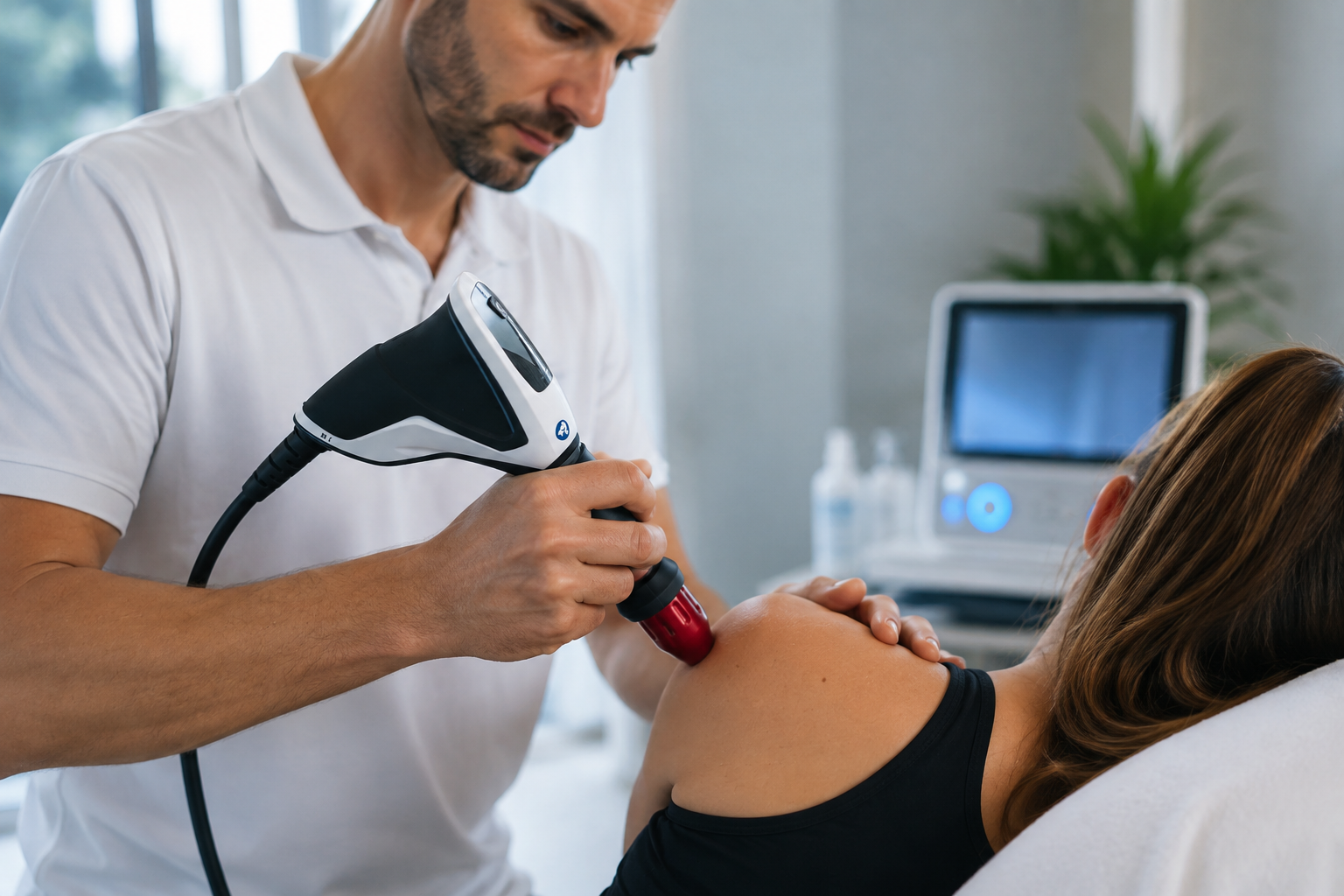
Experience Pain Relief and Healing with Shockwave Therapy in Dallas
Chronic pain, sports injuries, and musculoskeletal discomfort can greatly affect your daily life. Simple activities like walking, exercising, or sitting comfortably may become difficult. While traditional treatments such as medications, injections, or physical therapy can provide temporary relief, they often do not address the root cause of the problem.
Shockwave therapy offers a revolutionary solution. At Back to Health Physical Medicine in Dallas, Texas, we provide a non-invasive, cutting-edge treatment that promotes healing at the cellular level. By stimulating blood flow, tissue repair, and collagen production, it helps restore mobility, strength, and overall comfort.
This comprehensive guide will cover everything you need to know about shockwave therapy. We’ll explain how it works, the wide range of benefits, and the conditions it effectively treats. You’ll also learn what to expect during sessions, hear real patient experiences, and discover lifestyle tips to enhance recovery and maximize results, helping you achieve long-lasting relief and improved quality of life.
Understanding Shockwave Therapy
Shockwave therapy, also known as Extracorporeal Shock Wave Therapy (ESWT), is a non-invasive treatment that harnesses acoustic waves to stimulate the body’s natural healing processes. Initially developed to break down kidney stones, this innovative therapy has since evolved into a highly effective treatment for musculoskeletal conditions, chronic pain, and soft tissue injuries.
Unlike traditional treatments that often mask pain, shockwave therapy promotes genuine healing at the cellular level. High-energy pulses are delivered directly to the affected tissues, stimulating cellular regeneration and enhancing blood flow. This increased circulation brings vital nutrients to the area, accelerating tissue repair and reducing inflammation.
Shockwave therapy is particularly valuable for conditions like plantar fasciitis, tendonitis, calcific shoulder tendinopathy, and chronic muscle injuries. It supports the body’s ability to heal itself without the need for invasive procedures, medications, or prolonged recovery times. This makes ESWT a safe, effective, and long-lasting solution for patients seeking real relief and improved function.
How Shockwave Therapy Works
Shockwave therapy relies on mechanical pressure waves that penetrate the skin and reach the underlying tissues. These waves stimulate the affected areas, promoting increased blood flow, collagen production, and cellular repair. By interacting directly with damaged tissue, they trigger a variety of natural healing responses, reduce inflammation, and accelerate recovery. This non-invasive approach helps restore function, relieve pain, and support long-term tissue regeneration, making it an effective treatment for various musculoskeletal conditions.
Cellular Regeneration: Shockwaves activate growth factors that help repair damaged cells and tissues.
Enhanced Circulation: Blood flow is increased in the affected area, delivering oxygen and nutrients essential for healing.
Pain Reduction: Shockwaves modulate nerve activity, helping to reduce pain perception.
Calcification Breakdown: In cases of calcified tendons or joints, shockwave therapy helps break down deposits, improving mobility.
Collagen Production: Collagen, crucial for repairing tendons, ligaments, and muscles, is stimulated, strengthening tissues and preventing future injuries.
By addressing the root cause of discomfort rather than just masking pain, shockwave therapy offers long-lasting relief and faster recovery.
Benefits of Shockwave Therapy
Shockwave therapy offers numerous advantages over traditional treatments like surgery, corticosteroid injections, or long-term medication. It is non-invasive, reducing the risks and recovery time associated with surgical procedures. Unlike injections or medications, it targets the root cause of pain, promoting natural healing and tissue regeneration. Patients often experience faster relief, improved mobility, and long-lasting results. Additionally, it minimizes side effects, making it a safer, more effective alternative for chronic pain management and injury recovery.
Non-Invasive: No needles, incisions, or anesthesia are required.
Minimal Side Effects: Most patients experience only minor soreness, swelling, or redness.
Quick Treatment Sessions: Sessions typically last 15–30 minutes, making it easy to fit into busy schedules.
Effective for Chronic Conditions: Particularly useful for stubborn, long-term pain that hasn’t responded to other treatments.
Long-Lasting Results: By stimulating tissue repair, the therapy addresses the underlying problem, not just symptoms.
Improved Mobility and Function: Enhanced tissue regeneration leads to better range of motion, flexibility, and strength.
Reduced Dependence on Medications: Many patients find they no longer need pain medications after completing treatment.
Conditions Treated with Shockwave Therapy
Shockwave therapy has been clinically proven to treat a wide range of conditions effectively. It is commonly used for chronic pain, plantar fasciitis, tendonitis, calcific shoulder tendinopathy, and muscle injuries. By stimulating circulation, promoting tissue repair, and reducing inflammation, this therapy helps accelerate healing and improve mobility. Many patients experience noticeable relief and improved function, making shockwave therapy a trusted, non-invasive option for managing persistent pain and supporting long-term recovery.
1. Plantar Fasciitis
Plantar fasciitis is a frequent cause of heel pain, occurring when the ligament connecting the heel to the toes becomes inflamed. Traditional treatments like orthotics or anti-inflammatory medications may provide temporary relief, but shockwave therapy addresses the root problem by promoting tissue regeneration and reducing inflammation.
2. Tendonitis and Tendinopathies
Chronic tendon inflammation, such as Achilles tendonitis, patellar tendonitis, or rotator cuff tendonitis, can limit movement and cause persistent pain. Shockwave therapy stimulates the repair of damaged tendons and helps restore their strength and flexibility.
3. Tennis and Golfer’s Elbow
Repetitive stress on the elbow can lead to inflammation and micro-tears in tendons. Shockwave therapy targets these tissues, promoting healing without the need for steroid injections or surgery.
4. Calcific Shoulder Tendonitis
Calcified deposits in shoulder tendons can severely restrict mobility. Shockwave therapy breaks down these deposits and encourages tissue regeneration, reducing pain and restoring shoulder function.
5. Chronic Back and Neck Pain
Chronic musculoskeletal pain in the back or neck is often linked to muscle tension, ligament damage, or joint dysfunction. Shockwave therapy improves circulation, reduces inflammation, and stimulates deep tissue repair, offering relief without invasive procedures.
6. Knee Osteoarthritis
Knee osteoarthritis causes joint pain, stiffness, and reduced mobility. Shockwave therapy can stimulate cartilage repair, decrease inflammation, and improve joint function, helping patients remain active and independent.
7. Soft Tissue Injuries
Sprains, strains, and muscle injuries benefit from accelerated healing and reduced recovery time. Athletes, in particular, find shockwave therapy useful for returning to activity faster.
What to Expect During a Shockwave Therapy Session
At Back to Health Physical Medicine, we ensure your shockwave therapy experience is both comfortable and effective. From the moment you arrive, our team provides personalized care, explaining each step of the treatment. During sessions, advanced technology targets affected areas precisely, minimizing discomfort. After therapy, we offer guidance on recovery, stretching, and activity modifications to maximize results. Our goal is to help you heal efficiently, reduce pain, and restore mobility safely.
Initial Consultation: Your specialist evaluates your condition, reviews your medical history, and identifies the areas needing treatment.
Preparation: The affected area is marked, and a conductive gel is applied to improve wave transmission.
Treatment: The shockwave device delivers high-energy pulses to the targeted tissue. Most patients feel mild tapping or tingling sensations.
Duration: Each session typically lasts 15–30 minutes.
Post-Treatment: Some patients experience mild soreness, redness, or swelling, usually resolving within 24–48 hours. Normal activities can typically be resumed immediately.
Treatment frequency depends on your condition, but most patients see significant improvements after 3–6 sessions.
Comparing Shockwave Therapy to Other Treatments
Treatment Type Advantages Limitations Pain Medications Quick relief Only masks pain; long-term use may have side effects Corticosteroid Injections Reduces inflammation Temporary relief; risk of tendon weakening Surgery Permanent structural correction Invasive; long recovery; potential complications Physical Therapy Improves flexibility and strength Slow results; may not fully heal chronic issues Shockwave Therapy Non-invasive, stimulates natural healing May require multiple sessions; mild temporary discomfort
Shockwave therapy stands out because it addresses the root cause of pain, promotes tissue repair, and avoids the risks associated with surgery or long-term medication use.
Patient Experiences and Success Stories
Many patients at Back to Health Physical Medicine have experienced dramatic improvements with shockwave therapy. For instance, individuals suffering from chronic pain, plantar fasciitis, tendonitis, or muscle injuries have reported significant pain relief and increased mobility after treatment. The therapy stimulates healing at the cellular level, promotes blood flow, and accelerates tissue repair. Combined with personalized care plans, shockwave therapy has helped patients regain function and return to their daily activities more comfortably and quickly.
John, 42, Dallas: John had chronic plantar fasciitis for over two years. After four shockwave therapy sessions, he reported significantly reduced heel pain and was able to resume jogging within a few weeks.
Maria, 35, Plano: Maria suffered from shoulder tendonitis that interfered with her work and daily life. Shockwave therapy reduced her pain and restored mobility, allowing her to return to weightlifting and daily activities without discomfort.
David, 50, Irving: David had chronic knee pain due to osteoarthritis. Following a series of shockwave therapy treatments, his pain decreased, and he regained confidence in walking and climbing stairs.
These stories highlight how shockwave therapy not only reduces pain but also restores function and improves quality of life.
Lifestyle Tips to Maximize Shockwave Therapy Results
To enhance recovery and maximize the benefits of shockwave therapy, follow these tips: Stay well-hydrated before and after each session to support tissue healing. Gently stretch the treated area to maintain flexibility and reduce stiffness. Avoid intense exercise for at least 48 hours post-treatment to allow proper recovery. Follow any personalized advice from your therapist, including rest, posture adjustments, or supportive exercises. Consistency and care are key for optimal results.
Follow Post-Treatment Instructions: Avoid high-impact activities immediately after sessions unless advised otherwise.
Stay Active: Gentle stretching and low-impact exercises promote circulation and healing.
Maintain a Healthy Diet: Proper nutrition supports tissue repair and reduces inflammation.
Hydration: Adequate water intake aids cellular function and healing.
Physical Therapy Integration: Combining shockwave therapy with targeted exercises accelerates recovery and strengthens affected areas.
Monitor Progress: Track improvements and report any persistent discomfort to your specialist.
By integrating these practices, patients often experience faster and more sustainable results.
FAQs About Shockwave Therapy
1. Is shockwave therapy painful?
Most patients experience minimal discomfort, described as a tapping or tingling sensation. Any discomfort usually subsides quickly.
2. How many sessions are needed?
Typically, 3–6 sessions spaced a week apart are recommended. Your specialist will customize the plan based on your condition.
3. How soon will I see results?
Some patients notice improvement after the first session, while optimal results often appear after multiple treatments.
4. Are results permanent?
Shockwave therapy targets underlying tissue damage, providing long-term relief. Maintenance treatments may be suggested for chronic conditions.
5. Can I resume normal activities?
Yes. Most patients return to daily activities immediately, though high-impact exercises may be temporarily limited.
6. Is shockwave therapy covered by insurance?
Coverage varies. Contact your insurance provider or consult with our staff for guidance.
7. Are there any side effects?
Side effects are generally mild, including temporary redness, soreness, or swelling. Serious complications are rare.
8. Who should avoid shockwave therapy?
It may not be suitable for individuals with blood clotting disorders, infections, open wounds in the treatment area, pregnancy, or tumors in the affected area.
Research Supporting Shockwave Therapy
Multiple studies demonstrate the effectiveness of shockwave therapy for various conditions:
A 2021 study published in Journal of Orthopaedic Surgery found that ESWT significantly improved pain and function in patients with chronic plantar fasciitis compared to traditional treatments.
Research in Clinical Rehabilitation confirmed that shockwave therapy reduced pain and improved mobility in patients with shoulder tendonitis.
Studies on knee osteoarthritis patients indicate that ESWT promotes cartilage regeneration and decreases inflammation, improving long-term joint health.
These findings reinforce the clinical benefits of shockwave therapy and its growing acceptance in musculoskeletal medicine.
Conclusion
Chronic pain, sports injuries, and musculoskeletal discomfort should not dictate your lifestyle. Shockwave therapy offers a safe, effective, and non-invasive solution for pain relief and healing. By addressing the root cause of pain, stimulating tissue repair, and promoting long-lasting relief, it empowers patients to regain mobility, strength, and independence.
At Back to Health Physical Medicine in Dallas, Texas, our team of experienced specialists provides personalized care, ensuring each patient receives the optimal treatment plan. Whether you suffer from plantar fasciitis, tendonitis, shoulder or knee pain, or other musculoskeletal conditions, shockwave therapy can help you live a pain-free, active life.
Don’t let pain control your life. Experience the healing power of shockwave therapy at Back to Health Physical Medicine. Schedule your consultation today!
📍 Address: 7557 Rambler Road, Suite 720, Dallas, TX 75231, USA
📞 Phone: +1 (214) 361-9355
📧 Email: appointments@dfwbacktohealth.com
🌐 Website:
Regain your mobility, reduce pain, and start living life to the fullest—your body deserves it.