
Accelerate Your Recovery with Targeted Physical Rehabilitation
Accelerate Your Recovery with Targeted Physical Rehabilitation Physical injuries, chronic pain, and post-surgical recovery can have a profound impact on your quality of life, limiting daily activities and affecting…
Accelerate Your Recovery with Targeted Physical Rehabilitation
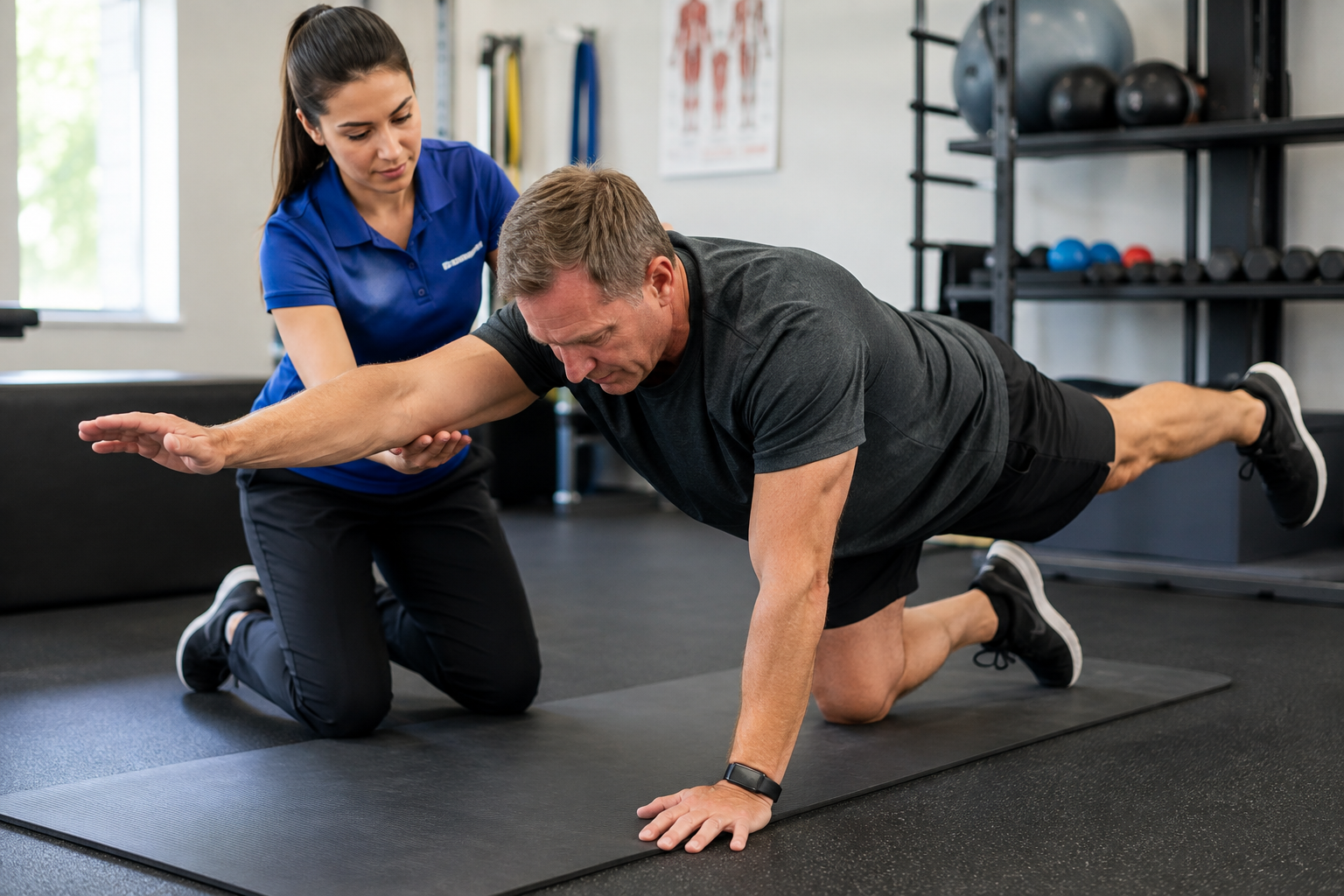
Physical injuries, chronic pain, and post-surgical recovery can have a profound impact on your quality of life, limiting daily activities and affecting overall well-being. While rest and self-care are important components of healing, targeted physical rehabilitation is often the most effective way to restore mobility, strength, and function. At Back to Health Physical Medicine, we focus on creating personalized rehabilitation programs that address each patient’s unique needs, helping them recover safely, efficiently, and sustainably.
Our approach begins with a comprehensive assessment to identify areas of limitation and design a treatment plan tailored to your condition. Through a combination of therapeutic exercises, manual therapy, and advanced techniques, our experienced therapists work to reduce pain, improve flexibility, enhance strength, and prevent future injuries. We provide ongoing guidance and adjustments to ensure progress remains steady and recovery goals are met.
In this article, we will explore the benefits of targeted physical rehabilitation, the conditions it addresses, the step-by-step rehabilitation process, strategies for achieving successful outcomes, and frequently asked questions. By understanding how personalized rehab works, you’ll see why a structured approach can dramatically improve recovery, restore independence, and help you return to the activities you love with confidence.
Understanding Physical Rehabilitation
Physical rehabilitation, often referred to as physical therapy, is a specialized branch of healthcare focused on helping patients regain strength, flexibility, balance, and overall functional independence. It is designed for individuals recovering from surgery, sports injuries, accidents, or managing chronic conditions such as arthritis or back pain. The goal of rehabilitation is not only to restore physical abilities but also to reduce discomfort, improve mobility, and prevent future injuries, allowing patients to return to their daily activities safely and confidently.
Unlike general exercise programs, targeted physical rehabilitation is highly personalized. Each patient begins with a comprehensive evaluation that identifies weak areas, functional limitations, and the underlying causes of pain or reduced mobility. Based on these findings, therapists develop a customized plan that may include therapeutic exercises, manual therapy, stretching, strength training, and advanced techniques designed to restore optimal function.
This individualized approach ensures that therapy addresses the patient’s specific needs, accelerates recovery, and minimizes the risk of re-injury. By following a structured rehabilitation program, patients regain not only physical capabilities but also confidence in their bodies, making it an essential step toward long-term health, independence, and improved quality of life.
Key Benefits of Targeted Rehabilitation
Faster Recovery
By addressing specific issues with precise interventions, patients recover more efficiently than with general exercise programs. For example, after a knee surgery, exercises targeting quadriceps and hamstring strength can significantly reduce recovery time.Pain Management
Targeted rehabilitation often includes modalities such as ultrasound therapy, electrical stimulation, or manual therapy, reducing inflammation and alleviating discomfort without over-reliance on medications.Improved Mobility
Stiffness and limited range of motion are common after injuries. Targeted therapy helps restore mobility through stretching, functional movement exercises, and joint mobilization techniques.Enhanced Strength and Stability
Strengthening exercises focus on both the injured area and surrounding muscles to provide support, prevent re-injury, and improve overall physical performance.Personalized Approach
No two injuries are the same. Personalized rehabilitation ensures exercises, intensity, and frequency are customized based on the patient’s condition, age, and activity level.
Common Conditions Treated with Physical Rehabilitation
At Back to Health Physical Medicine, our experienced therapists provide personalized care for a wide range of conditions, helping patients regain mobility, reduce pain, and improve overall well-being. We specialize in treating back and neck pain, sports injuries, joint discomfort, and chronic conditions such as arthritis and fibromyalgia. Our team also offers rehabilitation for post-surgical recovery, posture correction, and injury prevention. Using evidence-based techniques, including manual therapy, therapeutic exercises, and advanced modalities, we create customized treatment plans tailored to each patient’s needs. At Back to Health Physical Medicine, your health, comfort, and long-term recovery are our top priorities.
Back and Neck Pain – Chronic or acute pain due to herniated discs, sciatica, or muscle strain. Back pain is one of the most common reasons adults seek physical therapy, and targeted rehab often prevents surgery.
Post-Surgical Recovery – Rehabilitation after orthopedic surgeries such as joint replacements, ligament repairs, or spinal surgeries helps restore mobility and reduce scar tissue complications.
Sports Injuries – Sprains, strains, fractures, tendonitis, and overuse injuries are treated with sport-specific exercises that help athletes return to peak performance safely.
Neurological Conditions – Patients recovering from stroke, Parkinson’s disease, or balance disorders benefit from therapies designed to improve coordination, stability, and muscle control.
Arthritis and Joint Disorders – Osteoarthritis, rheumatoid arthritis, and joint stiffness respond well to low-impact exercises, joint mobilization, and pain-relieving modalities.
By targeting the root cause of dysfunction, rehabilitation helps patients regain independence and confidence in everyday activities.
The Rehabilitation Process
Understanding the rehabilitation process is essential for patients to set realistic expectations and achieve the best possible outcomes. Targeted physical rehabilitation focuses on restoring strength, flexibility, and function after injury, surgery, or chronic conditions. The process begins with a thorough assessment to identify limitations and create a personalized treatment plan. Therapists use a combination of exercises, manual therapy, and advanced techniques to improve mobility, reduce pain, and prevent future injuries. Regular progress evaluations ensure the plan remains effective. By actively participating in rehabilitation, patients can regain independence, enhance overall health, and experience long-lasting improvements in quality of life.
Step 1: Comprehensive Assessment
Your rehabilitation journey begins with a thorough evaluation of your medical history, current physical condition, lifestyle, and functional limitations. This may include:
Range of motion tests
Muscle strength assessments
Posture and gait analysis
Balance and coordination tests
The goal is to identify underlying issues that may not be immediately obvious, ensuring your therapy plan addresses both symptoms and causes.
Step 2: Personalized Treatment Plan
After the assessment, our therapists develop a customized plan that includes targeted exercises, manual therapy, pain management techniques, flexibility training, strength building, and strategies to restore mobility and prevent future injuries.
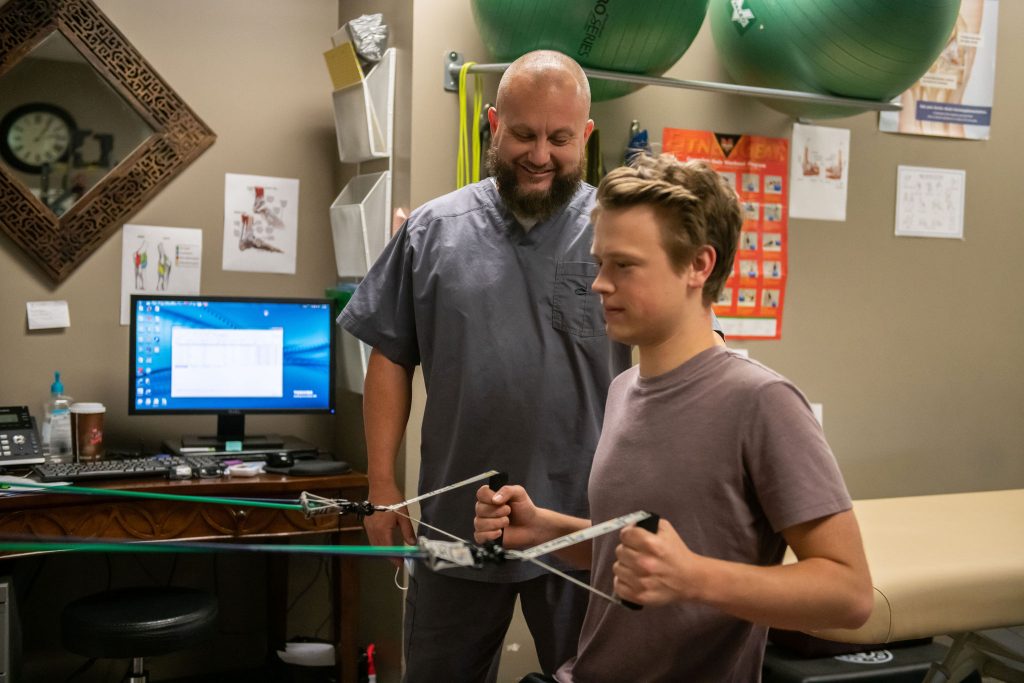
Therapeutic Exercises – Stretching, strengthening, and functional exercises tailored to your condition.
Manual Therapy – Hands-on techniques to improve circulation, flexibility, and joint mobility.
Modalities – Treatments such as ultrasound, electrical stimulation, heat/cold therapy, or laser therapy to reduce pain and inflammation.
Functional Training – Exercises that replicate everyday movements, preparing you for a safe return to daily activities or sports.
Step 3: Active Rehabilitation
Patients actively participate in exercises designed to:
Increase strength and flexibility
Improve balance and coordination
Promote proper movement patterns
Reduce pain and inflammation
Therapists continuously monitor progress, adjusting exercises and intensity as needed. Active participation ensures faster recovery and better long-term outcomes.
Step 4: Ongoing Monitoring and Adjustment
Recovery is rarely linear. Our therapists track progress and modify your program to:
Prevent overuse injuries
Address new limitations or imbalances
Gradually increase intensity to restore full function
This adaptive approach ensures maximum results and helps patients regain independence safely.
How Targeted Physical Rehabilitation Speeds Recovery
1. Early Intervention
Starting rehabilitation soon after injury or surgery prevents complications such as muscle atrophy, joint stiffness, and chronic pain. Research shows that early therapy significantly improves outcomes for orthopedic and neurological conditions.
2. Specific Exercise Selection
Every exercise is carefully chosen based on your injury type, severity, and functional goals. For example:
Post-knee surgery patients perform quadriceps and hamstring strengthening.
Patients with shoulder injuries focus on rotator cuff stabilization and scapular control.
This targeted approach avoids overloading healthy tissues while addressing weak areas.
3. Neuromuscular Re-Education
Targeted rehab retrains muscles and nerves to work together efficiently. For example, stroke patients relearn walking patterns, while athletes refine movement mechanics to prevent re-injury.
4. Patient Education
Understanding proper body mechanics, posture, and ergonomics reduces the risk of future injuries and empowers patients to take control of their recovery.
5. Holistic Approach
Physical rehabilitation often includes:
Nutrition guidance to support healing
Lifestyle modifications for weight management
Stress management techniques to reduce chronic pain
A holistic approach addresses the whole patient, not just the injury.
Real-Life Success Stories
Case Study 1: Post-Knee Surgery Recovery
A 55-year-old patient underwent total knee replacement and struggled with pain and limited mobility. At Back to Health Physical Medicine, a personalized program focused on quadriceps strengthening, knee joint mobilization, and balance training. Within eight weeks, the patient regained full range of motion, returned to daily activities, and avoided complications such as stiffness or muscle weakness.
Case Study 2: Chronic Back Pain Relief
A 42-year-old office worker suffered from chronic lower back pain due to prolonged sitting and poor posture. Targeted rehabilitation included core stabilization exercises, posture correction, and ergonomic education. Within three months, the patient reported significant pain reduction, improved posture, and the ability to perform daily tasks without discomfort.
Case Study 3: Sports Injury Recovery
A 25-year-old basketball player tore his ACL during a game. The rehab program focused on strengthening the quadriceps and hamstrings, balance training, and sport-specific drills. After six months, the athlete returned to competitive play with full stability and confidence.
These examples demonstrate how personalized, targeted rehabilitation accelerates recovery and restores quality of life.
Tips for Maximizing Rehabilitation Success
Follow Your Plan Consistently – Attend all scheduled sessions and complete home exercises.
Communicate with Your Therapist – Report pain, discomfort, or progress. Honest communication ensures therapy is adjusted to your needs.
Maintain a Healthy Lifestyle – Proper nutrition, hydration, and sleep enhance recovery. Anti-inflammatory foods such as fish, nuts, and vegetables can complement therapy.
Set Realistic Goals – Break recovery into smaller milestones. Celebrate achievements to stay motivated.
Stay Positive – Mental attitude plays a crucial role in physical recovery. Visualization, mindfulness, and stress management can enhance results.
Use Assistive Devices When Needed – Braces, supports, or walking aids can protect injured areas and promote safe movement during recovery.
Avoid Re-Injury – Gradually return to sports or physical activity. Overloading too soon can undo progress.
FAQs
Q1: How long does physical rehabilitation take?
A1: Recovery time varies depending on the injury, age, and overall health. Some patients see improvements in a few weeks, while others require several months.
Q2: Is physical rehabilitation painful?
A2: Rehabilitation may involve some discomfort, but therapists ensure exercises are safe and pain is managed. Gradual progress reduces the risk of aggravating the injury.
Q3: Can I do rehabilitation at home?
A3: Yes, home exercises are provided, but in-clinic therapy ensures proper technique and faster recovery.
Q4: Do I need a doctor’s referral?
A4: While some insurance plans require a referral, many patients can schedule an evaluation directly with our therapists.
Q5: What should I wear to therapy sessions?
A5: Comfortable, flexible clothing that allows full range of motion is recommended. Athletic shoes are usually preferred.
Q6: Will rehabilitation prevent future injuries?
A6: Targeted rehabilitation strengthens muscles, improves joint stability, and teaches proper movement mechanics, significantly reducing the risk of re-injury.
Q7: How is progress measured?
A7: Therapists use objective assessments such as range of motion, strength tests, and functional movement evaluations to track improvement.
Conclusion
Targeted physical rehabilitation is more than just exercise—it’s a science-backed, personalized approach designed to restore health, strength, and functionality. At Back to Health Physical Medicine, our experienced therapists guide patients through every step of the recovery process, whether healing from injuries, managing chronic pain, or returning to sports and daily activities.
Our programs are tailored to each individual, combining therapeutic exercises, manual therapy, and advanced techniques to improve mobility, reduce discomfort, and prevent future injuries. With consistent guidance and personalized support, patients experience faster, safer, and more effective recovery.
Recovery doesn’t have to be slow or painful. By following a structured rehabilitation plan, you can rebuild strength, regain confidence, and restore independence. At Back to Health Physical Medicine, we focus on helping you reach your goals and return to the activities you love. Don’t let injuries or chronic conditions control your life—take charge of your recovery and reclaim your full potential today.
Take the first step toward pain-free movement and faster recovery today! Schedule your consultation with our experienced physical therapists at Back to Health Physical Medicine.
📍 Address: 7557 Rambler Road, Suite 720, Dallas, TX 75231, USA
📞 Phone: +1 (214) 361-9355
📧 Email: appointments@dfwbacktohealth.com
🌐 Website:
Your journey to optimal health starts now—don’t wait to regain your mobility and strength!