
The Science of Spinal Decompression: How It Supports Overall Wellness
The Science of Spinal Decompression: How It Supports Overall Wellness In today’s fast-paced world, back pain, neck pain, and spinal discomfort have become increasingly common. From sitting long hours at a desk to…
The Science of Spinal Decompression: How It Supports Overall Wellness

In today’s fast-paced world, back pain, neck pain, and spinal discomfort have become increasingly common. From sitting long hours at a desk to strenuous physical activities, the spine bears a lot of stress daily. While conventional treatments like painkillers and physical therapy offer relief, spinal decompression therapy has emerged as a non-invasive, effective solution to alleviate pain and promote overall wellness.
This comprehensive guide will explore the science behind spinal decompression, its benefits, who can benefit from it, and why it’s becoming a popular choice for individuals seeking long-term spine health.
Understanding Spinal Decompression
Spinal decompression is a therapeutic technique designed to relieve pressure on the spinal discs, nerves, and vertebrae. By gently stretching the spine, decompression creates negative pressure within the spinal discs, which encourages the retraction of herniated or bulging discs and promotes the flow of nutrients, oxygen, and fluids.
Unlike surgery or invasive procedures, spinal decompression is non-surgical, drug-free, and safe for most patients when performed under professional supervision.
How Spinal Decompression Works
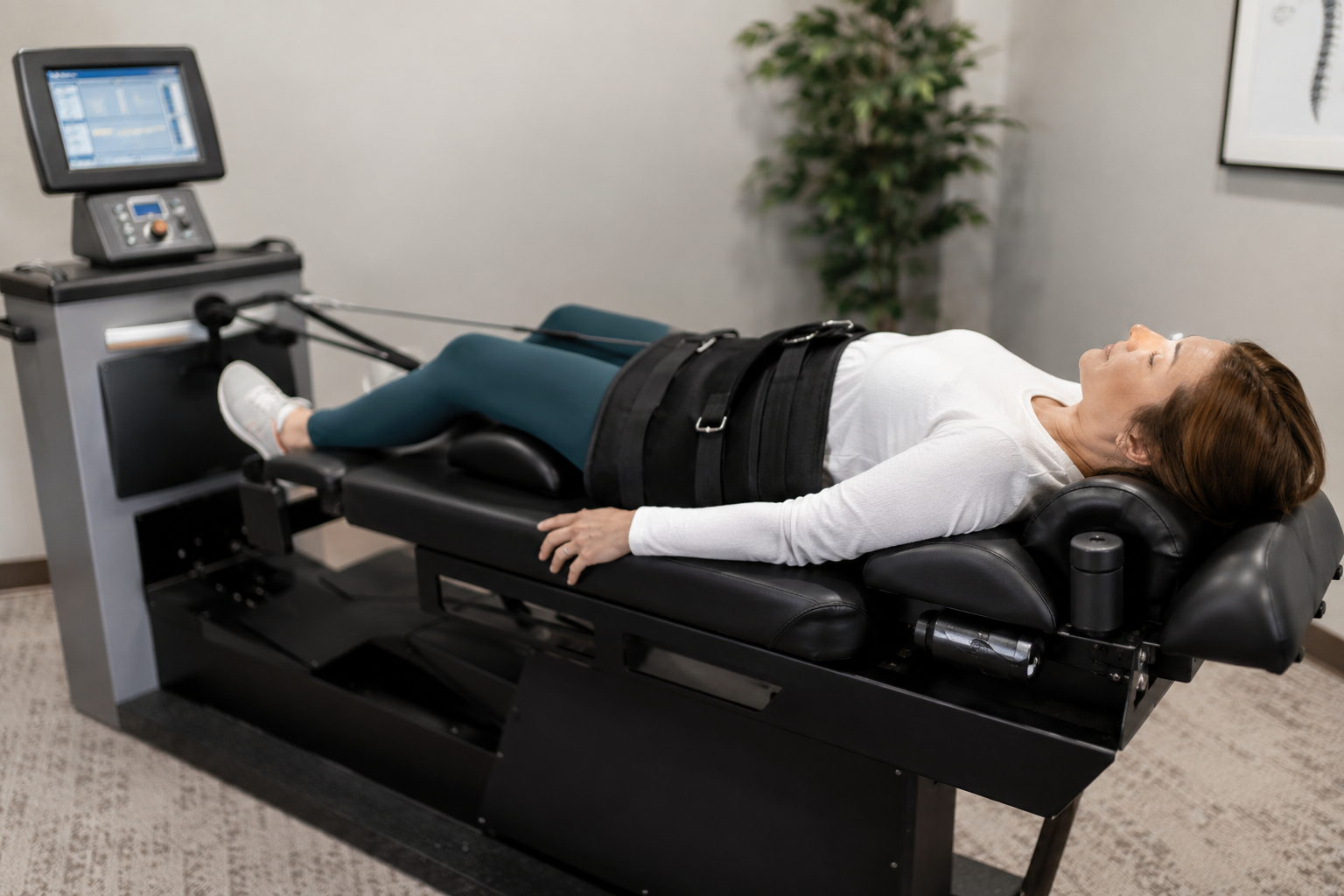
The therapy uses specialized tables or devices that apply controlled stretching forces to the spine. Here’s what happens during a session:
Targeted Stretching – The therapist or machine gently elongates the spine.
Pressure Relief – Negative pressure reduces compression on discs and nerves.
Nutrient Flow – Improved circulation allows discs to receive essential nutrients and oxygen.
Pain Reduction – Decompression helps decrease inflammation and irritation of nerve roots.
Over time, this process promotes healing, improves flexibility, and restores spinal alignment.
Benefits of Spinal Decompression Therapy
Spinal decompression offers a variety of benefits that extend beyond pain relief. These include:
1. Pain Relief
Chronic back pain, neck pain, sciatica, and herniated discs often improve with decompression therapy. By reducing nerve compression, patients experience a significant decrease in pain intensity.
2. Enhanced Mobility
Spinal decompression improves spinal flexibility and range of motion, allowing individuals to perform daily activities with greater ease.
3. Non-Invasive Alternative
For patients looking to avoid surgery or long-term medication, spinal decompression provides a non-invasive alternative with minimal risk.
4. Supports Overall Wellness
By promoting proper spinal alignment, spinal decompression contributes to better posture, improved circulation, and reduced muscle tension. This holistic benefit impacts overall health, including better energy levels and reduced stress.
5. Accelerates Healing
The therapy helps damaged spinal tissues recover faster by encouraging nutrient-rich fluid exchange, which promotes natural healing.
Who Can Benefit From Spinal Decompression?
Spinal decompression is effective for a wide range of conditions, including:
Herniated or bulging discs
Degenerative disc disease
Sciatica and nerve compression
Chronic back or neck pain
Postural problems caused by spinal misalignment
However, it may not be suitable for everyone. Individuals with severe osteoporosis, fractures, spinal tumors, or infections should consult a medical professional before starting therapy.
Scientific Evidence Supporting Spinal Decompression
Numerous studies suggest that spinal decompression therapy is effective in treating chronic spinal conditions. Research shows:
Reduction in pain levels among patients with herniated discs
Improvement in spinal mobility and function
Decrease in the need for surgical interventions for certain chronic back conditions
While more research continues, clinical results and patient experiences indicate that spinal decompression is a promising treatment for those suffering from spinal disorders.
What to Expect During a Session
A typical spinal decompression session involves the following steps:
Assessment – A thorough examination to identify problem areas.
Positioning – The patient lies on a decompression table, secured with harnesses.
Decompression Process – Controlled stretching is applied for 20–45 minutes per session.
Post-Therapy Guidance – Patients may receive exercises or lifestyle recommendations to maximize results.
Most patients report noticeable improvements within a few sessions, with complete benefits often realized after a full treatment plan.
FAQs About Spinal Decompression
Q1: Is spinal decompression painful?
No, it is generally painless. Patients may feel slight stretching or pulling sensations, but discomfort is minimal.
Q2: How many sessions are required?
Treatment plans vary. Typically, 15–30 sessions over several weeks are recommended depending on the severity of the condition.
Q3: Can spinal decompression cure my back pain permanently?
While results vary, many patients experience long-term relief. Combining decompression with exercise and lifestyle changes enhances outcomes.
Q4: Are there any side effects?
Side effects are rare but may include mild soreness after a session. Severe reactions are uncommon.
Q5: Is it suitable for all ages?
Most adults can benefit, but a consultation is essential, especially for older adults or those with underlying medical conditions.
Lifestyle Tips to Support Spinal Health
To complement spinal decompression therapy, consider these habits:
Maintain proper posture while sitting and standing
Incorporate low-impact exercises like walking or swimming
Strengthen core muscles to support spinal alignment
Stay hydrated to nourish spinal discs
Avoid heavy lifting or repetitive strain
Conclusion
Spinal decompression is more than just a treatment for back pain—it’s a pathway to overall wellness. By alleviating pressure on the spine, improving nutrient flow, and enhancing mobility, it addresses the root causes of discomfort while promoting long-term spinal health.
Whether you’re struggling with chronic pain, herniated discs, or simply want to maintain a healthy spine, spinal decompression therapy offers a safe, non-invasive, and effective solution.
If you’re ready to take control of your spinal health and experience the benefits of spinal decompression, schedule a consultation with Back to Health Physical Medicine today!
📍 Address: 7557 Rambler Road, Suite 720 Dallas, TX 75231, USA
📞 Phone: +1 (214) 361-9355
📧 Email: appointments@dfwbacktohealth.com
🌐 Website:
Your spine deserves the best care. Don’t wait—start your journey to better health today!