
Physical Rehabilitation in Dallas
Setting a New Standard in Recovery
Targeted movement and strengthening programs that go beyond symptoms to restore strength, mobility, and confidence after injury, surgery, or chronic pain.
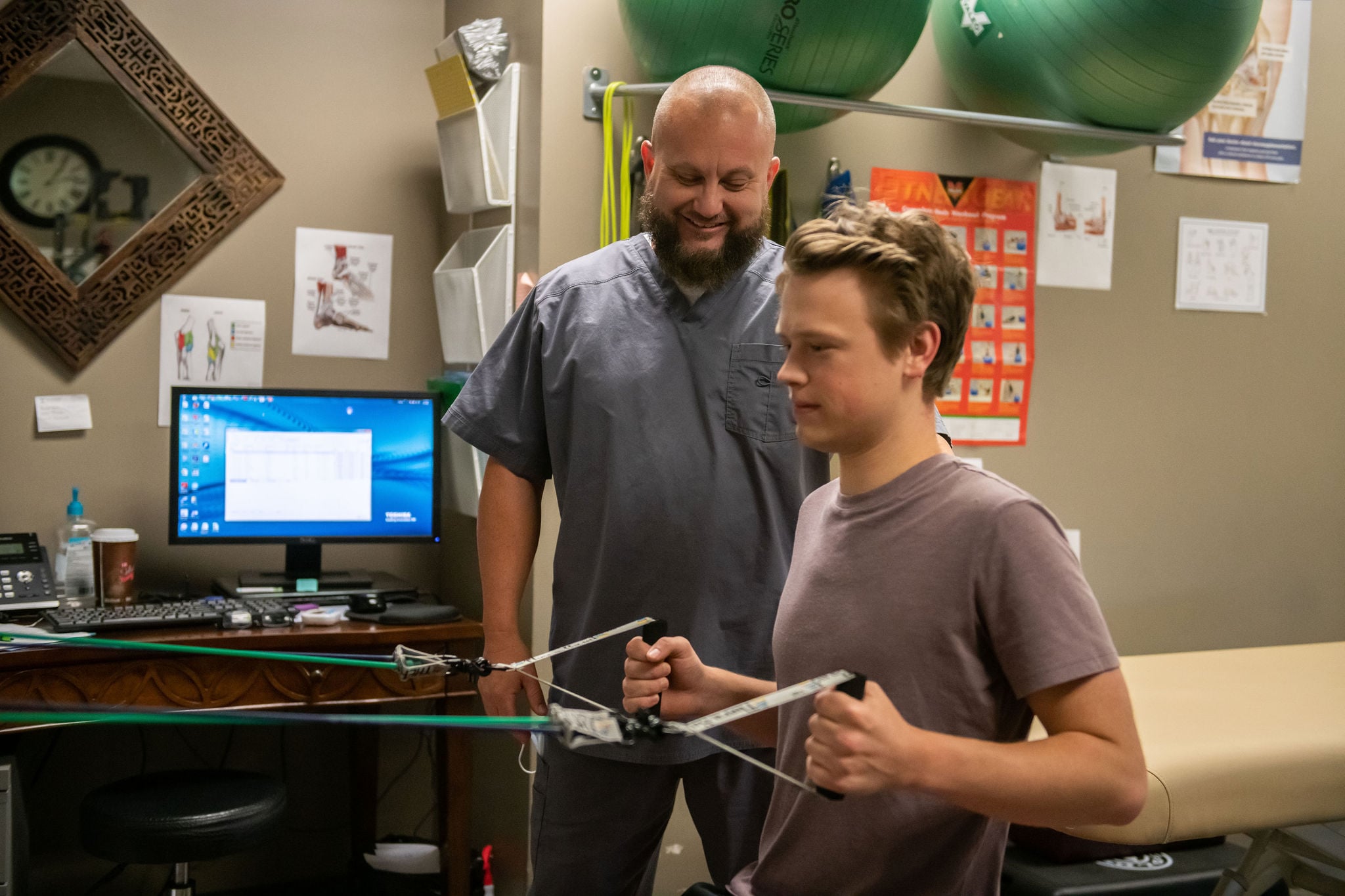
Physical Rehabilitation Offers Hope
You know how a small pebble in your shoe can ruin a walk in the park? That's a bit like living with persistent pain. It starts small, but before you know it, it's all you can think about. This could be the back that makes nights longer, the knee that makes stairs a challenge, or the shoulder that turns a simple stretch into a second thought. Pain, in its persistence, doesn't just wear on the body. It also wears on the spirit and dulls the colors of everyday joy.
Here at Back to Health Physical Medicine in Dallas, we see the person behind the pain. We're not just chasing symptoms but seeking solutions that bring real relief and recovery. Our aim? To give you back your nights of restful sleep, your confident strides, and your freedom to move without a second thought. With precise care and a keen understanding of your unique situation, we help you step away from the shadow of discomfort and into the light of your fullest life.
The Benefits of Physical Rehabilitation
Starting a physical rehabilitation program brings numerous benefits that significantly improve your health and quality of life. Whether you're healing from an injury, recuperating after surgery, or managing chronic pain, the right rehabilitation plan can make all the difference.
- Improved Mobility and Flexibility
- Pain Reduction
- Avoidance of Surgery
- Better Balance and Coordination
- Personalized Care and Recovery Plans
What Conditions and Injuries Can Physical Rehabilitation Help With?
Physical rehabilitation is incredibly effective for a wide range of conditions and injuries. It's the helping hand you need whether you're on the mend from an acute injury or trying to manage a chronic condition. Here's how physical rehabilitation can help:
- Sports Injuries — key for athletes recovering from sprains, strains, or more severe injuries like ACL tears, focusing on restoring strength and flexibility to get you back in the game.
- Post-Surgical Recovery — after surgery, such as joint replacements or spinal operations, rehabilitation is essential for regaining your mobility and speeding up your return to everyday activities.
- Chronic Pain Conditions — for those dealing with persistent pain from conditions like arthritis, fibromyalgia, or chronic back issues, a customized rehab program can offer significant pain relief and functional improvement.
- Neurological Disorders — individuals affected by strokes, Parkinson's disease, or multiple sclerosis can see improvements in movement control and independence through targeted rehabilitation.
- Work-related Injuries — rehab programs also cater to recovering from workplace injuries, helping ensure a safe and confident return to work.
At Back to Health Physical Medicine in Dallas, we're dedicated to helping you overcome these challenges, guiding you toward regaining your strength, mobility, and freedom to enjoy life to its fullest.
What is Physical Rehabilitation?
Physical rehabilitation is all about helping you recover and regain your strength after an injury, surgery, or during a chronic condition. It's a comprehensive approach that goes beyond just treating symptoms. The aim is to rebuild your strength, restore your function, and ultimately improve your daily living. Through a mix of targeted exercises and therapies, the goal is to enhance your ability to move, reduce any pain, and boost your overall quality of life.
The journey through physical rehabilitation is tailored specifically to you, taking into account your unique health challenges and objectives. Techniques can vary widely, including manual therapy for easing pain, strength training to build muscle, and mobility exercises to improve your range of movement. At Back to Health Physical Medicine, we focus on addressing the specific needs of each individual, aiming not just to relieve symptoms but to tackle the underlying causes of your condition to ensure long-lasting health improvements.
Our belief at Back to Health Physical Medicine in Dallas is strong in the transformative potential of physical rehabilitation. Whether your goal is to bounce back from an injury, manage a chronic health issue, or simply enhance your overall physical wellness, our dedicated team is ready to guide and support you through your rehabilitation journey. We're committed to providing the expertise and care you need to reach your fullest potential for physical health and independence.
What to Expect from Physical Rehabilitation at Back to Health Physical Medicine in Dallas
Starting physical rehabilitation can feel a bit daunting if you don't know what to expect. But at Back to Health Physical Medicine, we strive to make your journey as clear and comfortable as possible from the get-go. Here's a little insight into what your experience with us might look like.
First off, we kick things off with a comprehensive assessment. This is when we chat about what's been bothering you, examine your movement, and maybe even run a few tests. This helps us get a clear picture of where you're at and what you need. From there, we put together a game plan that's all about you — your goals, your needs, and your schedule.
Then comes the rehab part. This could include a variety of treatments and exercises, all aimed at getting you back to feeling great. Whether it's working through exercises in our clinic, learning how to manage pain, or getting tips on how to avoid future injuries, we've got you covered. And throughout your time with us, we'll be tracking your progress, celebrating your wins, and adjusting your plan as needed to keep you moving in the right direction.
At Back to Health Physical Medicine, we're all about support, expertise, and a friendly nudge when you need it. So, while physical rehabilitation is definitely a commitment, it's one we'll be taking on together. Our team is here to guide you every step of the way, ensuring that you feel informed, comfortable, and empowered from your first visit to your last.
Will My Pain Return After I Stop Physical Rehabilitation?
One of the big questions we hear a lot is about the fear of pain coming back after you've wrapped up your physical rehabilitation sessions. It's a valid concern. After all, you've put in all this effort to feel better, and the last thing anyone wants is to slide backward. Here's the scoop on how we tackle this at Back to Health Physical Medicine.
First things first, our goal during your rehabilitation is not just to chase away the pain for a little while. We're all about digging deep to find out why you're in pain and fixing that. This means that by the time you're done with your rehab, your body is stronger, and you've got the tools and knowledge to keep yourself in good shape.
But here's the real talk — keeping pain at bay is a bit of a team effort. We do our part to set you up for success, and we'll show you how to keep the momentum going with exercises, lifestyle tips, and maybe some homework. The truth is, staying active, sticking with those exercises, and maybe making a few changes to how you move through your day can make a huge difference in keeping that pain from making an unwanted comeback.
So, while there's no one-size-fits-all answer, the power to keep feeling good is partly in your hands. And remember, Back to Health Physical Medicine is always here to help, whether you need a refresher, some advice, or just a bit of encouragement along the way.
Physical Rehabilitation Frequently Asked Questions
What's the difference between physical therapy and physical rehab? Physical therapy is a subset of physical rehabilitation. While physical therapy focuses specifically on improving movement, strength, and function through exercises, manual therapy, and other treatments, physical rehabilitation encompasses a broader spectrum of healthcare services designed to help patients recover from injuries, surgeries, or manage chronic conditions. It can include physical therapy but also incorporates other elements like occupational therapy and speech therapy.
What is an example of physical rehabilitation? An example of physical rehabilitation is a program designed for someone recovering from knee surgery. This might include specific exercises to strengthen the muscles around the knee, improve range of motion, and gradually increase the patient's ability to perform daily activities like walking, climbing stairs, and eventually returning to sports or work.
Is physiotherapy the same as medical rehabilitation? Physiotherapy, often called physical therapy in many regions, is a part of medical rehabilitation. While physiotherapy focuses on physical treatment methods to improve patient mobility and function, medical rehabilitation is a broader term that includes physiotherapy along with other forms of therapy like occupational, speech, and cognitive therapies to address various impairments.
What are the 4 main types of physical therapy?
- Orthopedic Physical Therapy — focuses on treating musculoskeletal injuries involving muscles, bones, ligaments, and tendons.
- Neurological Physical Therapy — aims to assist individuals with neurological conditions and disorders like stroke, spinal cord injuries, and Parkinson's disease.
- Cardiopulmonary Physical Therapy — helps patients manage and recover from heart and lung conditions.
- Pediatric Physical Therapy — specializes in treating infants, children, and adolescents with a variety of developmental, neuromuscular, and orthopedic conditions.
Is orthopedic rehab the same as physical therapy? Orthopedic rehab is a form of physical therapy that specifically focuses on the recovery of patients from musculoskeletal injuries and surgeries. While all orthopedic rehab is physical therapy, not all physical therapy is orthopedic rehab, as physical therapy can also address neurological, cardiopulmonary, and pediatric conditions.
Can physical therapy help you avoid surgery? Yes, in many cases, physical therapy can help individuals avoid surgery. By strengthening the muscles, improving flexibility, and addressing the root cause of pain and dysfunction, physical therapy can often alleviate the need for surgical intervention. However, the effectiveness of physical therapy in avoiding surgery depends on the specific condition and severity of the issue.
Other Services
View All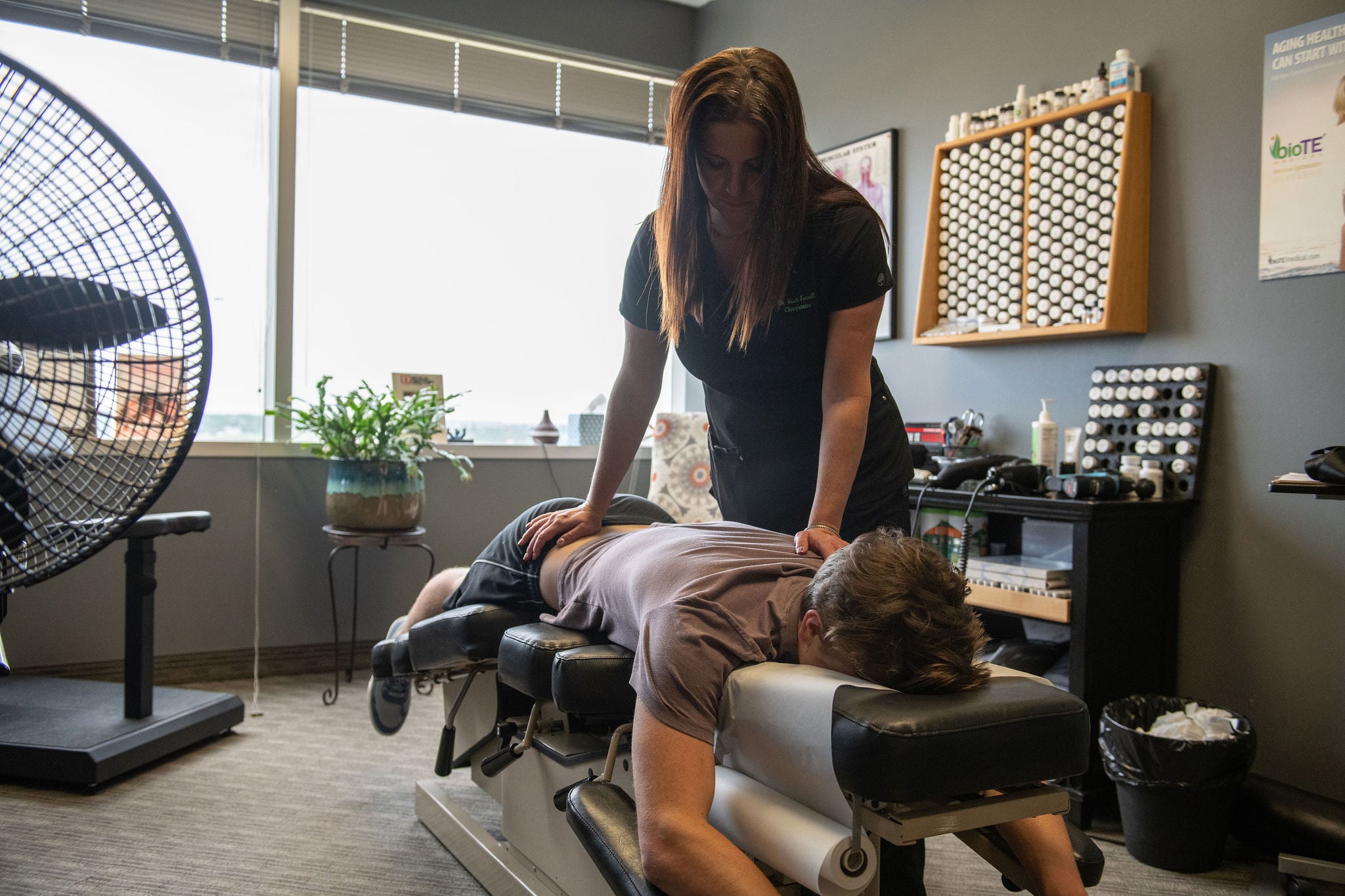
Chiropractic Care
Hands-on adjustments designed to support spinal alignment, mobility, and nervous system function.
Explore Chiropractic Care in Dallas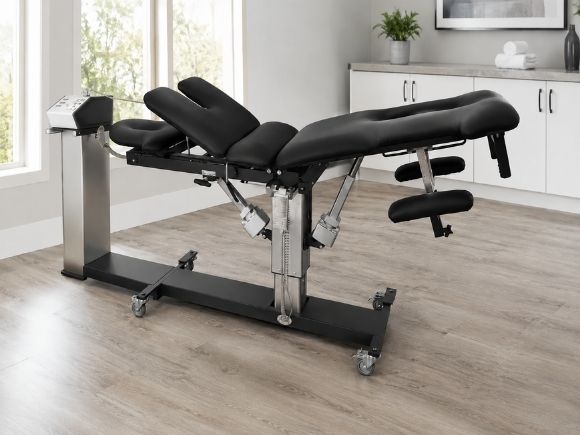
Spinal Decompression
Non-surgical traction therapy that may help relieve pressure on discs and nerves.
Explore Spinal Decompression in Dallas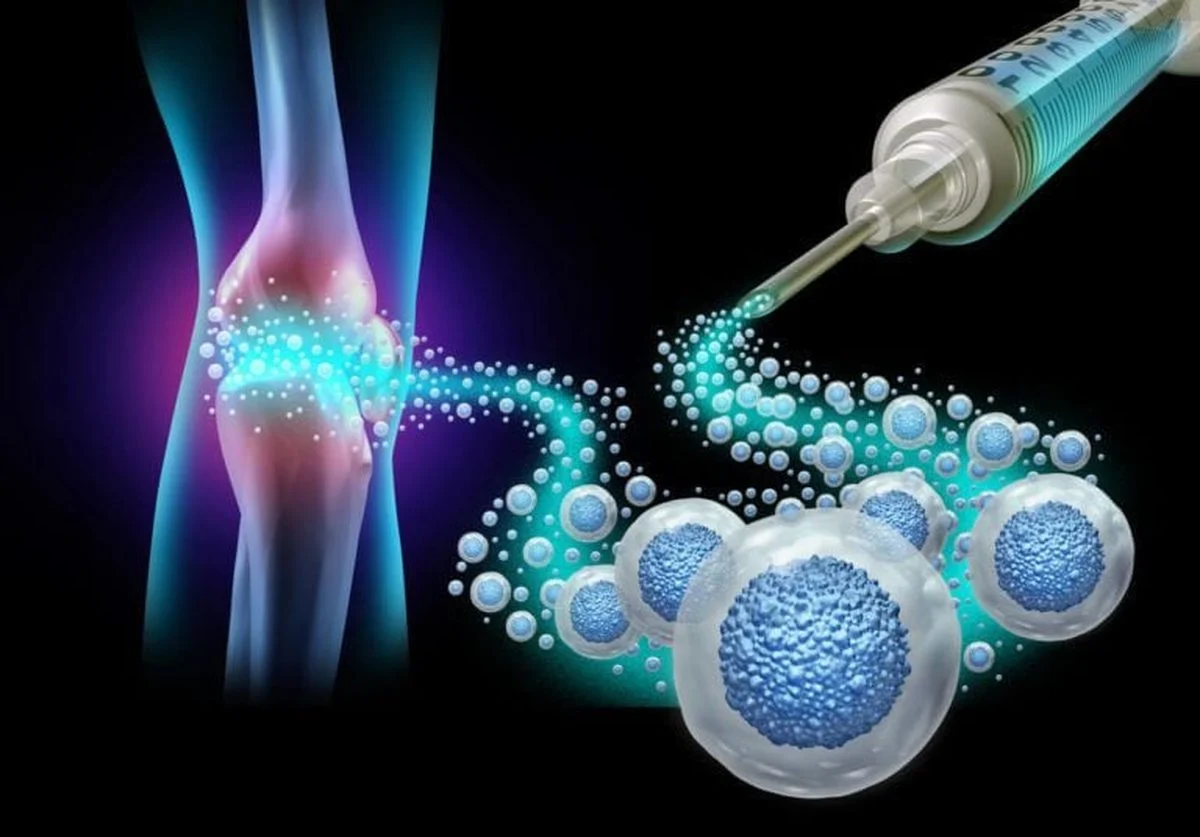
Regenerative Medicine
Advanced therapies designed to support the body's natural repair processes.
Explore Regenerative Medicine in Dallas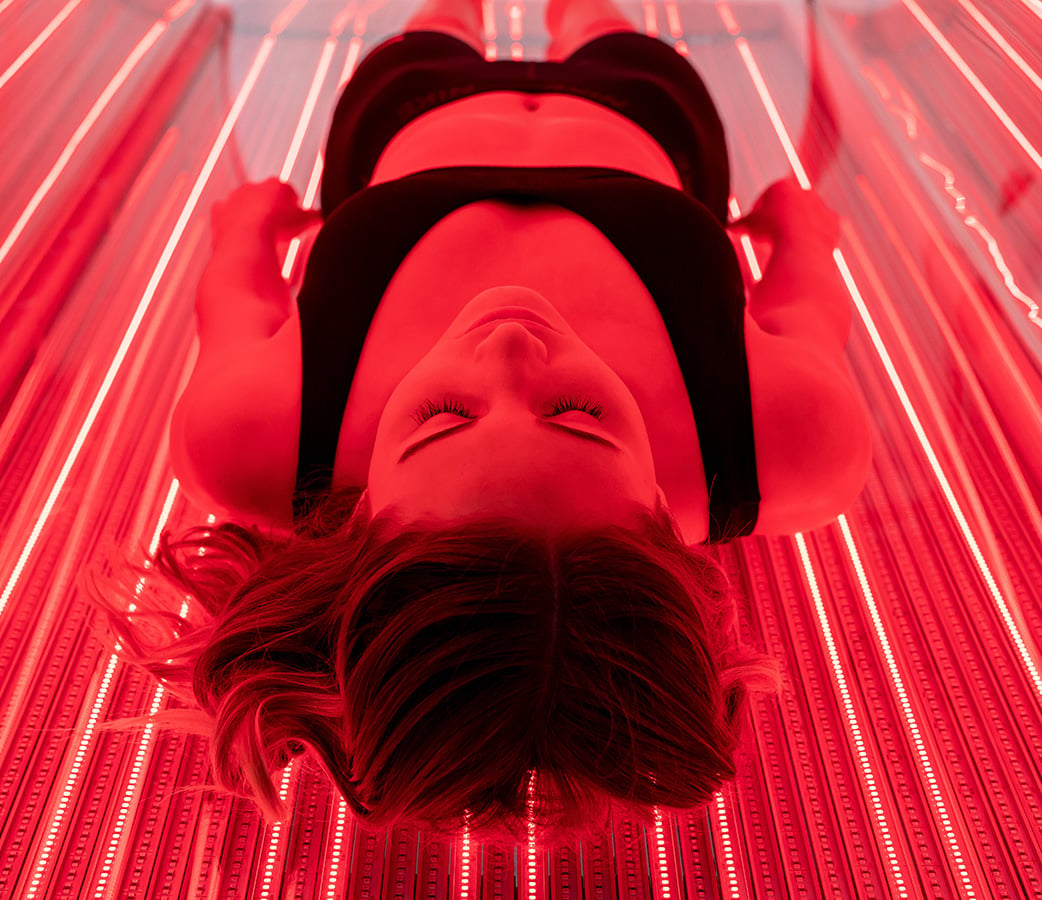
Red Light Therapy
Photobiomodulation that may help support cellular energy and tissue recovery.
Explore Red Light Therapy in Dallas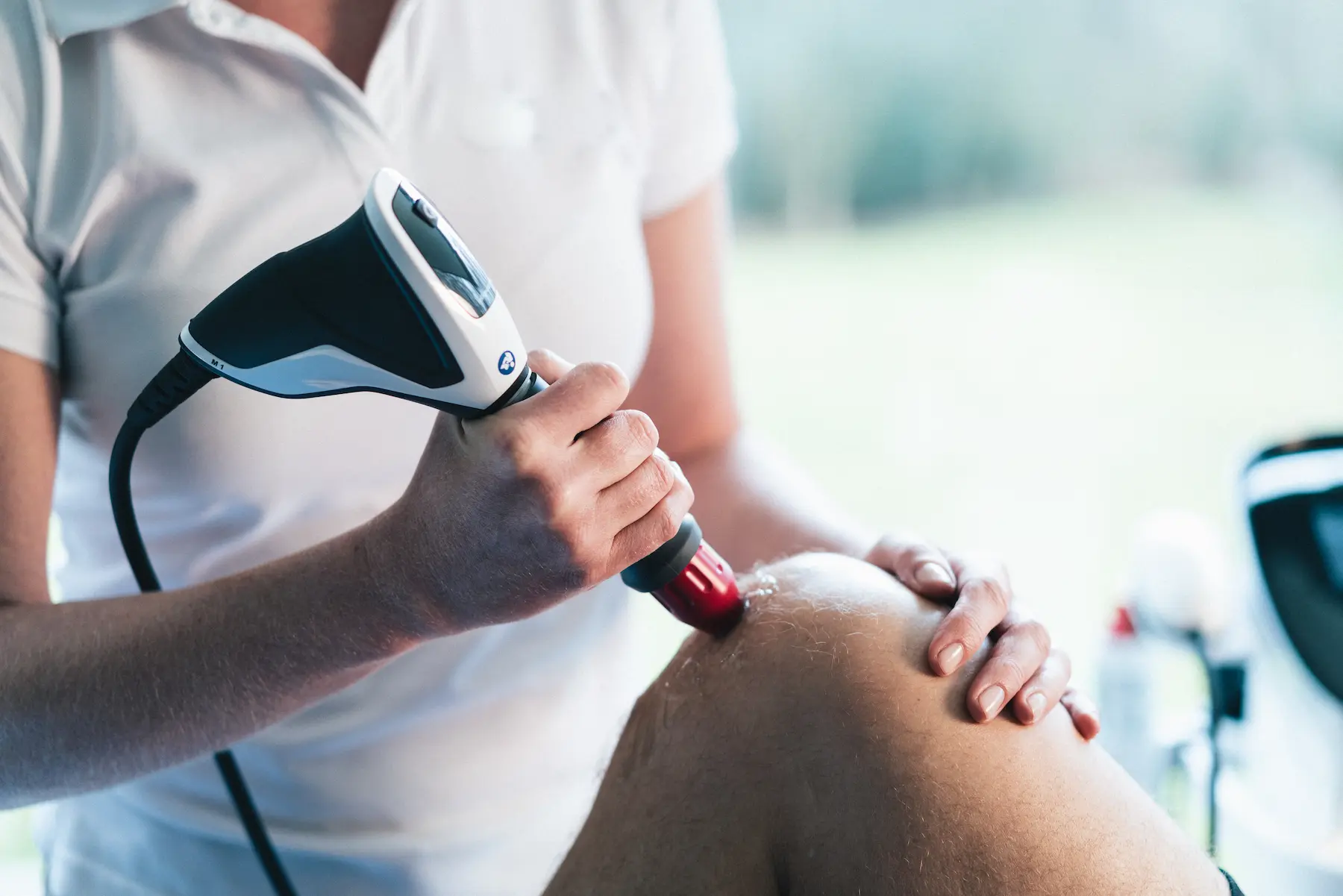
Shockwave / Acoustic Wave Therapy
Acoustic wave technology focused on chronic soft-tissue and joint discomfort.
Explore Shockwave / Acoustic Wave Therapy in Dallas
Hormone Replacement Therapy
Personalized hormone optimization to help support energy, mood, and vitality.
Explore Hormone Replacement Therapy in DallasReady to Start Your Path Back to Health?
Whether you are dealing with pain, injury, low energy, or long-term wellness concerns, our Dallas team is here to help you take the next step.