
Rebuilding Strength After Injury: Why Personalized Rehabilitation Matters
Learn why personalized rehabilitation is key to rebuilding strength after injury, restoring mobility, and supporting long-term recovery.
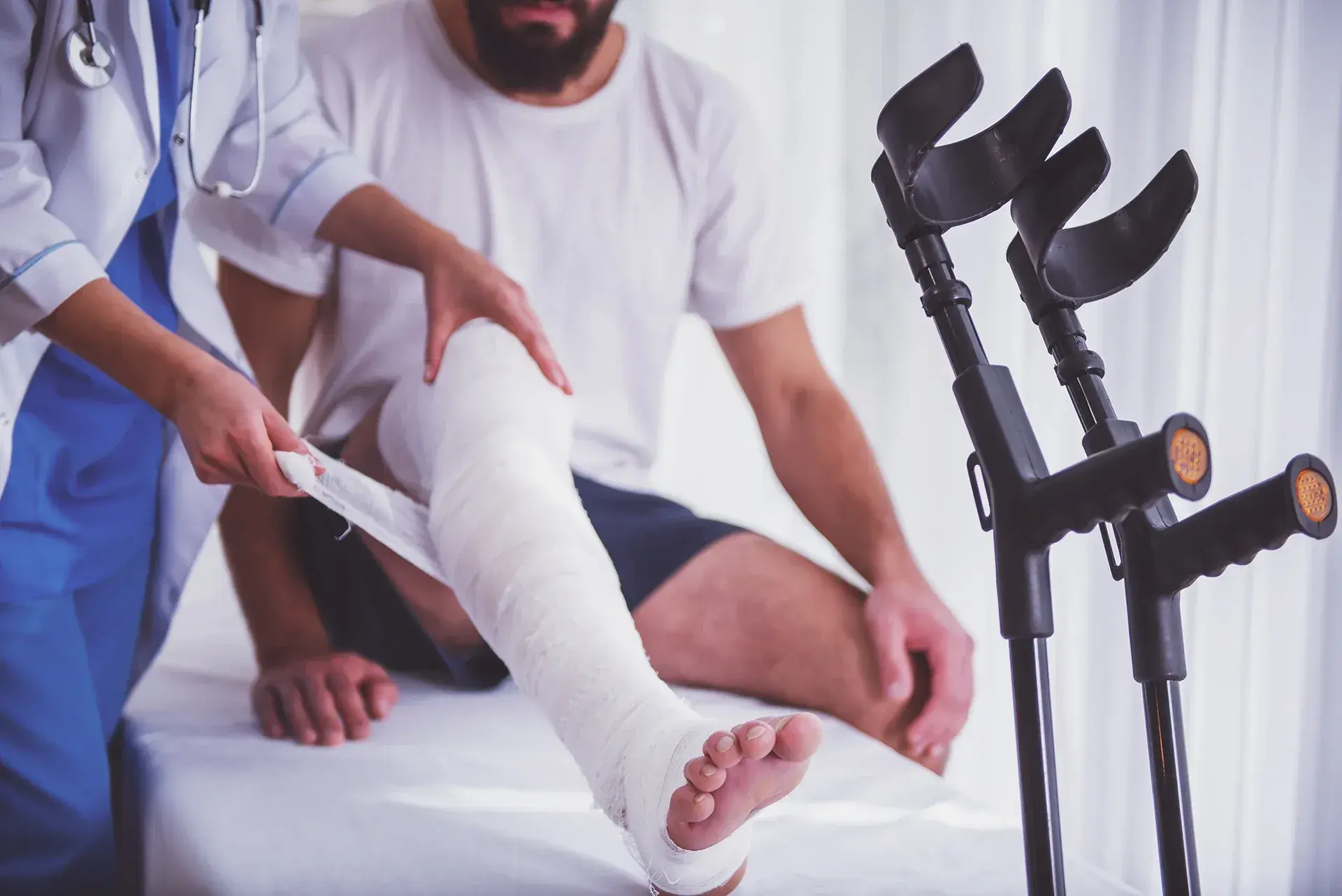
Injuries can alter daily life in ways many people never expect. Whether caused by a sports injury, workplace accident, auto collision, surgery, chronic pain flare-up, or repetitive strain from everyday activities, physical setbacks can significantly impact strength, mobility, and independence.
Healing is rarely a one-size-fits-all process. Every injury is different, and every body responds to recovery in its own way. Factors such as age, medical history, activity level, pain tolerance, lifestyle demands, and personal wellness goals all play important roles in determining the most effective rehabilitation strategy.
At Back to Health Physical Medicine, physical rehabilitation focuses on individualized care designed to address each patient's unique condition and recovery goals — whether that's recovery from sports injuries, post-surgical weakness, or chronic low back pain and sciatica. For background on the discipline, see the physical therapy overview on Wikipedia.
Understanding the True Impact of Injury
An injury affects more than just one body part. While the immediate issue may be a torn ligament, strained muscle, herniated disc, or post-surgical weakness, the ripple effects often impact the entire body.
Physical effects: pain and inflammation, reduced mobility, muscle weakness or atrophy, joint instability, loss of flexibility, poor posture, and reduced balance.
Emotional and lifestyle effects: fear of re-injury, reduced independence, interrupted work or sports participation, sleep disruption, mental stress, and decreased physical confidence.
Why Generic Recovery Plans Often Fall Short
Traditional advice like "rest and take it easy" can be important initially, but long-term recovery often requires much more than passive healing. A generalized approach may overlook the root cause of dysfunction, pre-existing biomechanical imbalances, individual movement limitations, occupational demands, athletic performance goals, and lifestyle habits that may contribute to re-injury.
What Is Personalized Rehabilitation?
Personalized rehabilitation is a customized, strategic recovery program designed to support healing based on each patient's unique physical condition, health background, and long-term functional goals. It adapts therapies, exercises, and recovery strategies to address specific challenges while promoting safer, more effective progress.
Key Components of Personalized Rehabilitation
1. Comprehensive Initial Assessment
- Range of motion analysis
- Strength testing
- Posture assessment
- Joint stability evaluation
- Movement pattern screening
- Pain triggers
- Previous injury history
2. Pain Management Strategies
- Manual therapy
- Soft tissue therapy
- Mobility exercises
- Stretching
- Chiropractic support when appropriate
- Neuromuscular re-education
3. Progressive Strength Building
Rebuilding strength after injury requires gradual progression that balances challenge with safety. The focus is on stabilizing muscles, functional movement patterns, core support, joint-specific strengthening, and endurance rebuilding.
4. Mobility and Flexibility Restoration
Improving joint mobility, dynamic flexibility, tissue extensibility, and movement efficiency helps normalize biomechanics, reduce physical stress on surrounding structures, and lower the likelihood of recurring injuries.
5. Balance and Coordination Training
Stability drills, gait retraining, balance exercises, and functional movement practice may help improve body awareness, prevent falls, support athletic readiness, and restore smoother, safer movement.
Common Conditions That Benefit
Sports injuries: ACL tears, rotator cuff injuries, tennis elbow, sprains and strains, shin splints.
Post-surgical recovery: joint replacement, spinal surgery, fracture repair, shoulder reconstruction.
Chronic pain: lower back pain, neck pain, arthritis, sciatica, fibromyalgia-related dysfunction.
Workplace injuries: repetitive strain, back strain, shoulder injuries, slip-and-fall trauma.
Why Early Intervention Can Be Critical
Delaying treatment may allow dysfunction, weakness, or improper healing patterns to worsen, leading to chronic pain, scar tissue buildup, compensation injuries, reduced mobility, and longer recovery timelines.
Personalized Rehabilitation for Different Life Stages
Athletes: performance restoration, strength, agility, injury prevention, sport-specific conditioning.
Adults: pain relief, workplace function, posture, mobility, strength, and improving daily activities.
Older adults: balance, mobility, independence, fall prevention, joint stability, and preserving functional movement.
FAQs
How is physical rehabilitation different from physical therapy? Physical therapy often focuses on specific treatments or exercises, while rehabilitation may include broader strategies like pain management, mobility training, strength building, and wellness support.
Can rehabilitation help avoid surgery? In some cases, personalized rehabilitation may improve strength, flexibility, stability, and function enough to reduce symptoms and potentially delay or avoid surgery.
How long does rehabilitation take? Timelines vary widely depending on injury severity, treatment consistency, overall health, age, and recovery goals, ranging from weeks to several months.
Conclusion
Recovering from injury is about more than simply healing tissue—it's about rebuilding strength, restoring confidence, improving movement, and reclaiming your quality of life. At Back to Health Physical Medicine, physical rehabilitation services are centered on individualized care, functional restoration, and helping patients move toward fuller, healthier lives.