
Dry Needling Therapy: How It Works for Pain Relief and Muscle Recovery
Dry needling uses thin, sterile needles to release tight muscle knots and trigger points — offering fast, targeted relief for chronic pain, stiffness, and limited mobility.
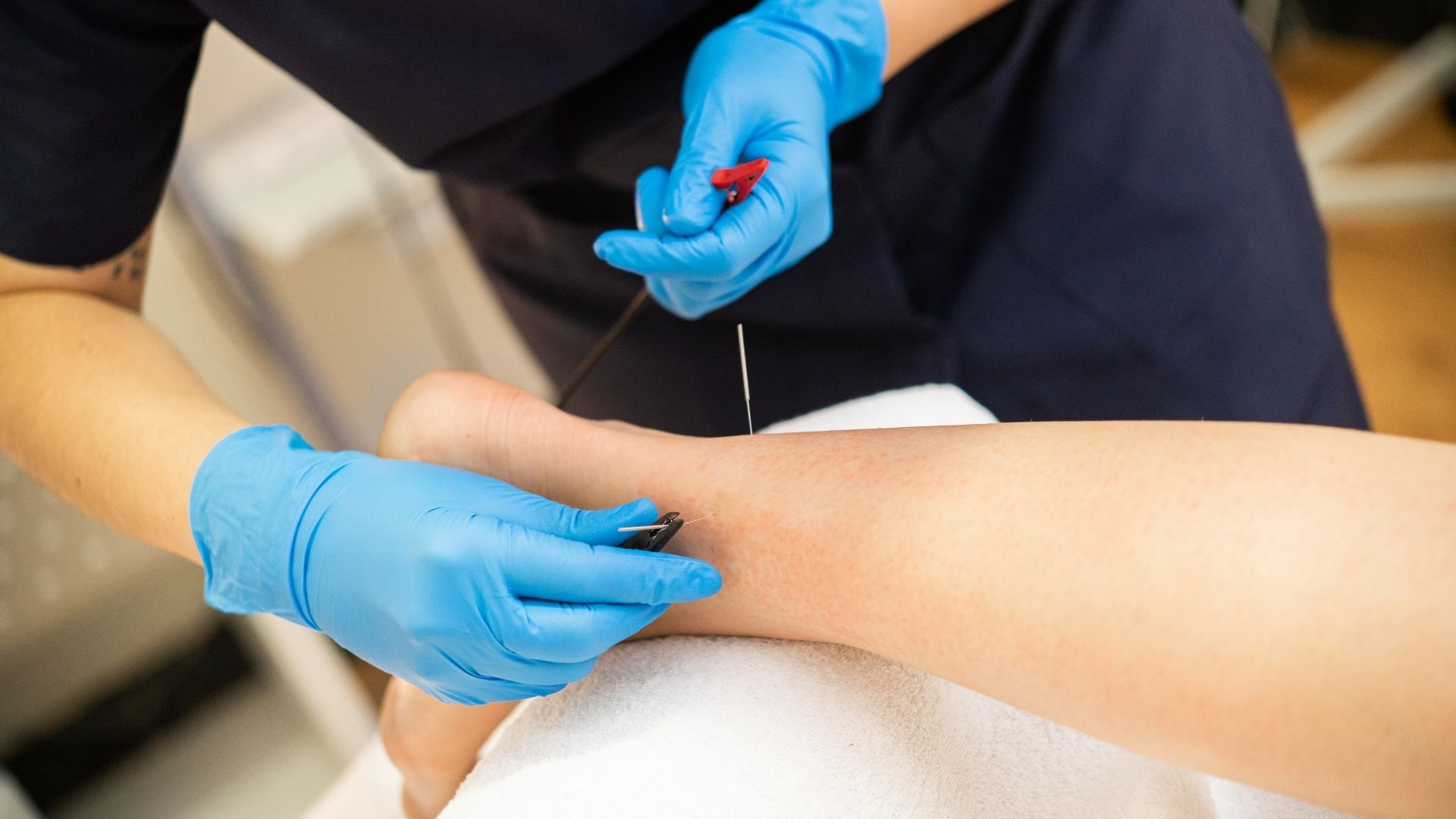
If chronic muscle tightness, knots, or nagging pain are limiting your movement, dry needling may offer the targeted relief you've been looking for. This evidence-informed technique uses thin, sterile filament needles to deactivate myofascial trigger points — the tight, hyper-irritable spots in a muscle that refer pain, restrict range of motion, and slow recovery.
At Back to Health Physical Medicine in Dallas, dry needling is integrated into our broader physical rehabilitation and chiropractic care approach to help patients return to pain-free movement faster.
What Is Dry Needling?
Dry needling is a skilled therapeutic technique in which a trained clinician inserts a fine, solid filament needle directly into a trigger point or tight band of muscle tissue. The needle is "dry" because nothing is injected — no medication, no fluid. The therapeutic effect comes from the mechanical stimulation of the muscle and surrounding tissue.
The technique is grounded in modern Western anatomy, neurophysiology, and musculoskeletal research. According to the Cleveland Clinic, dry needling can help relieve pain, improve range of motion, and reduce muscle tension caused by trigger points.
Dry Needling vs. Acupuncture: What's the Difference?
Although dry needling and acupuncture both use similar thin needles, they are very different therapies:
- Acupuncture is rooted in Traditional Chinese Medicine and targets meridians and energy flow ("qi") to support overall balance and wellness.
- Dry needling is based on Western neuromuscular science and targets specific muscular trigger points to relieve pain and improve function.
Dry needling is performed by licensed healthcare professionals with advanced training in musculoskeletal anatomy and trigger point therapy.
How Does Dry Needling Work?
When a needle is inserted into a trigger point, it can produce a brief local twitch response — a quick, involuntary muscle contraction. This response is therapeutic and is associated with several physiological effects:
- Releases muscle knots by interrupting dysfunctional motor end plate activity
- Increases local blood flow to deliver oxygen and nutrients for tissue repair
- Reduces inflammatory chemicals that contribute to pain and stiffness
- Resets nervous system signaling between the muscle and the brain
- Restores normal muscle length and flexibility so movement feels easier
Patients often describe an immediate sense of "release" in the muscle, followed by improved mobility within hours to days.
Conditions That May Benefit From Dry Needling
Dry needling is most effective for musculoskeletal conditions involving muscle tension, trigger points, or movement restriction, including:
- Neck pain and tension headaches — see our neck pain care
- Low back pain and sciatica — learn more about low back and sciatica relief
- Shoulder pain and rotator cuff tightness — see shoulder pain care
- Hip pain and IT band tightness — see hip pain care
- Knee pain from quad, hamstring, or calf trigger points — see knee pain care
- Tennis elbow and golfer's elbow — see elbow pain care
- Sports injuries and overuse strain — see sports injuries care
- Tension-type headaches and migraines — see headaches & migraines care
- Plantar fasciitis and calf tightness
- Post-surgical muscle guarding and scar tissue restriction
Benefits of Dry Needling
Patients who incorporate dry needling into their care plan often experience:
- Faster pain relief — many feel improvement within 1–2 sessions
- Improved range of motion in stiff joints and tight muscle groups
- Reduced reliance on pain medications for chronic muscle pain
- Accelerated recovery from sports injuries and overuse syndromes
- Better outcomes when combined with chiropractic adjustments and rehab exercises
- Improved circulation and tissue healing in chronically tight areas
- Long-lasting results when paired with corrective movement training
What to Expect at Your Dry Needling Session
If dry needling is appropriate for your condition, your visit typically includes:
- Assessment — a clinician evaluates your pain, posture, and movement patterns to identify trigger points.
- Treatment — fine sterile needles are inserted into targeted muscles. Sessions usually last 15–30 minutes.
- Sensations — you may feel a small pinch, a deep ache, or a brief twitch. Discomfort is typically mild and short-lived.
- Aftercare — soreness similar to a workout is normal for 24–48 hours. Hydration, gentle movement, and heat help recovery.
- Integration — dry needling is most effective when paired with chiropractic adjustments, physical rehabilitation, and at times shockwave therapy or red light therapy.
Is Dry Needling Safe?
When performed by a trained, licensed provider, dry needling is considered safe. Single-use, sterile, pre-packaged needles are used for every session and disposed of immediately afterward. Mild side effects can include temporary soreness, minor bruising, or brief fatigue. Serious complications are rare.
You may not be a candidate for dry needling if you are pregnant (in certain regions), have a bleeding disorder, take blood thinners, or have a strong fear of needles. Your provider will review your full health history before recommending treatment.
Why Choose Back to Health Physical Medicine?
At Back to Health Physical Medicine in Dallas, dry needling isn't a stand-alone fix — it's part of an integrative plan designed to address the root cause of your pain. We combine:
- Chiropractic care for joint alignment
- Physical rehabilitation for strength and mobility
- Regenerative and recovery therapies for tissue healing
- Lifestyle, posture, and movement coaching for long-term results
This whole-body approach helps you not only feel better now, but stay better — with fewer flare-ups and stronger, more resilient muscles.
Ready to Experience Targeted Pain Relief?
If you're dealing with chronic muscle tightness, trigger points, or pain that hasn't responded to other care, dry needling may be the missing piece. Schedule a consultation with our Dallas team to find out whether dry needling is right for you — and how it fits into a personalized recovery plan.