
TENSION HEADACHES
The most common type of headache, often caused by tight muscles in the neck, shoulders, and upper back. Stress, poor posture, and long hours at a desk can create ongoing tension, leading to a dull, aching pressure around the head.
Address the triggers, not just the symptoms
Headaches can be frustrating—but migraines can be completely debilitating. When you’re dealing with constant head pain, sensitivity to light or sound, or symptoms that disrupt your daily routine, it can affect your mood, focus, and ability to function. While medications may offer temporary relief, they often don’t address why the headaches keep coming back.

Headaches can be frustrating—but migraines can be completely debilitating. When you’re dealing with constant head pain, sensitivity to light or sound, or symptoms that disrupt your daily routine, it can affect your mood, focus, and ability to function. While medications may offer temporary relief, they often don’t address why the headaches keep coming back.
In many cases, headaches and migraines are linked to structural issues in the neck and spine. Misalignments, muscle tension, and nerve irritation can all contribute to recurring symptoms. At Back to Health, we focus on identifying and correcting the root cause of your discomfort. With the right approach, chiropractic care can help you find lasting relief and regain control of your day.
Whether you’re dealing with frequent tension headaches or intense migraines that disrupt your day, the root cause is often more than just stress or fatigue. Many headaches originate from structural issues in the neck and upper spine. When the cervical spine shifts out of proper alignment due to poor posture, injury, or repetitive strain, it can place pressure on nearby nerves. This irritation often leads to muscle tension, restricted movement, and recurring headache symptoms.
Over time, this imbalance can worsen if left unaddressed. Tight muscles and joint dysfunction can continue to pull the spine out of alignment, increasing the frequency and intensity of headaches or migraines. Head pain is often a signal that something deeper is happening within your spine. Because your nervous system controls how your body functions, addressing these issues early is key to preventing chronic discomfort and improving overall quality of life.
Chiropractic care has a strong track record of helping patients find relief from headaches and migraines without relying on medications. At Back to Health, care begins with a thorough evaluation to identify the exact source of your symptoms and rule out other possible causes. Since the spine and nervous system are closely connected, even small misalignments can significantly impact how you feel.
Based on your evaluation, a personalized treatment plan is created to address the root cause of your headaches. Using gentle, non-invasive adjustments, chiropractic care helps restore proper alignment, reduce nerve irritation, and relieve muscle tension. While medications may only provide temporary relief, chiropractic treatment focuses on long-term correction—helping you experience fewer headaches, reduced intensity, and better overall function.
Care options at Back to Health that are commonly used to address Headache & Migraine.
Hands-on adjustments designed to support spinal alignment, mobility, and nervous system function.
Explore ServicePhotobiomodulation that may help support cellular energy and tissue recovery.
Explore ServiceTargeted movement and strengthening programs to help restore function after injury.
Explore ServiceUnderstanding the source helps shape a care plan that targets the root—not just the symptoms.
The most common type of headache, often caused by tight muscles in the neck, shoulders, and upper back. Stress, poor posture, and long hours at a desk can create ongoing tension, leading to a dull, aching pressure around the head.
These headaches originate from dysfunction in the cervical spine (neck). Misalignment or restricted joint movement can refer pain into the head—commonly felt at the base of the skull or behind the eyes—and are often linked to posture issues or past injuries.
Migraines are more severe and can include throbbing pain, light and sound sensitivity, nausea, and visual disturbances. While triggers vary, spinal misalignment, nerve irritation, and muscle tension can play a major role in how often they occur and how intense they become.
Extended time on phones, computers, or driving can lead to forward-head posture, placing excess strain on the neck and upper spine. This added stress often results in recurring headaches, stiffness, and reduced mobility.
The jaw joint (temporomandibular joint) is closely connected to the muscles of the head and neck. Dysfunction here can create tension that radiates into the head, leading to headaches, jaw pain, and facial discomfort.
When spinal joints are not moving properly, they can irritate nearby nerves. This irritation can trigger headaches by increasing pain signals and muscle tension throughout the neck and upper back.
Weak or overactive muscles in the neck and upper back can create uneven stress on the spine. Over time, this imbalance can lead to chronic tension, reduced support, and recurring headaches or migraines.
If you want, I can also convert this into a visual card layout (like your previous section image) or optimize it for SEO ranking with keyword targeting like “headache relief Dallas TX.”

Care designed to support cervical mobility, posture, and tension relief.
Explore Neck Pain
Targeted care designed to relieve lumbar discomfort and restore mobility.
Explore Low Back Pain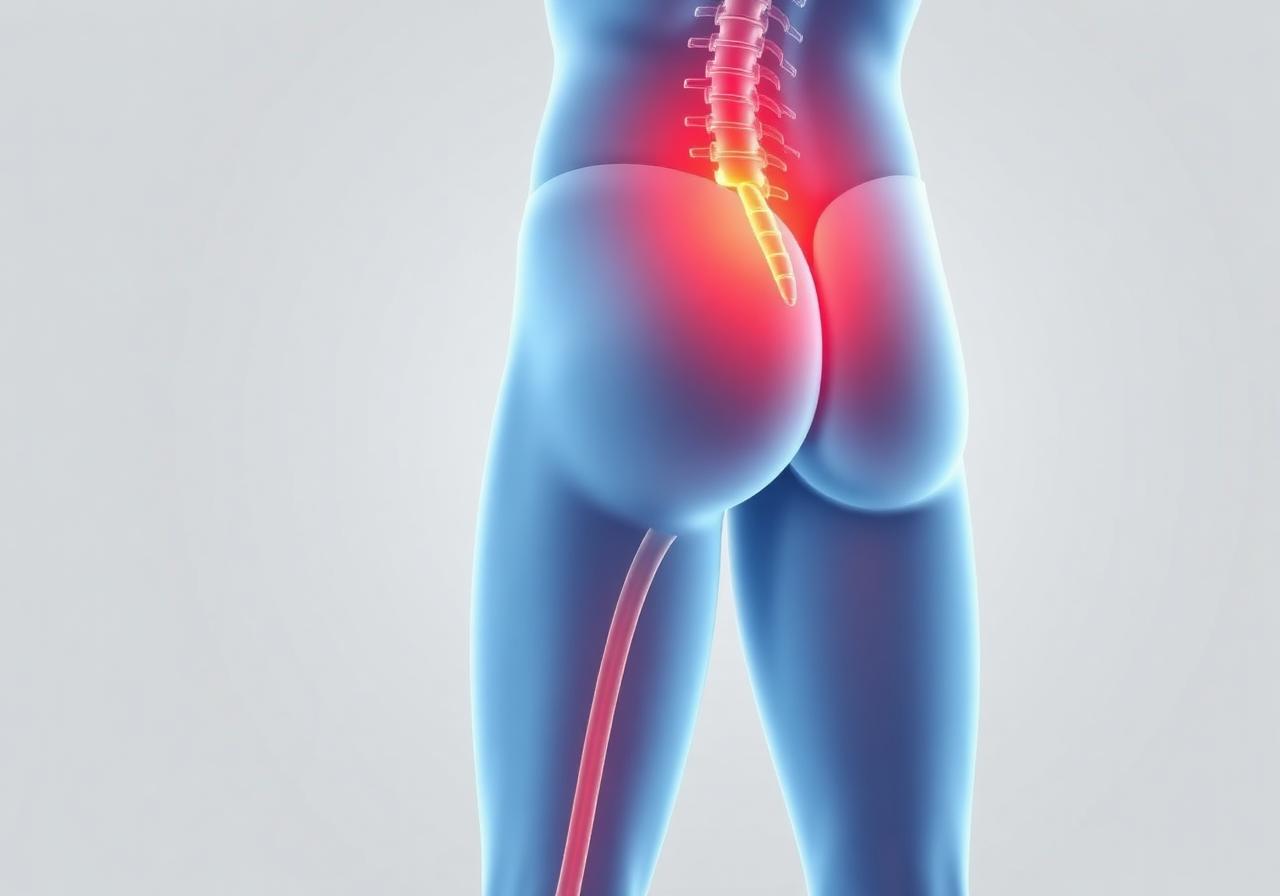
Focused approaches to help calm sciatic nerve irritation and radiating leg pain.
Explore Sciatica
Personalized hormone optimization to help restore energy and balance.
Explore Hormonal Imbalance
Therapies focused on improving joint function and reducing chronic discomfort.
Explore Knee Pain
Care that may help support nerve function and quality of life.
Explore NeuropathyWhether you are dealing with pain, injury, low energy, or long-term wellness concerns, our Dallas team is here to help you take the next step.