
Herniated or Bulging Lumbar Disc
When a lumbar disc bulges or herniates, the inner material can press directly on a sciatic nerve root, causing pain that radiates from the lower back into the buttock and down the leg.
Calm nerve irritation and stop radiating leg pain
Sciatica is a sharp, burning, or radiating pain that travels from the lower back through the buttock and down the leg. It happens when the sciatic nerve—the longest nerve in the body—becomes irritated or compressed. For many people in the Dallas–Fort Worth area, sciatica can make sitting, standing, walking, or sleeping uncomfortable. The good news: most cases respond well to non-invasive care that addresses the underlying cause.
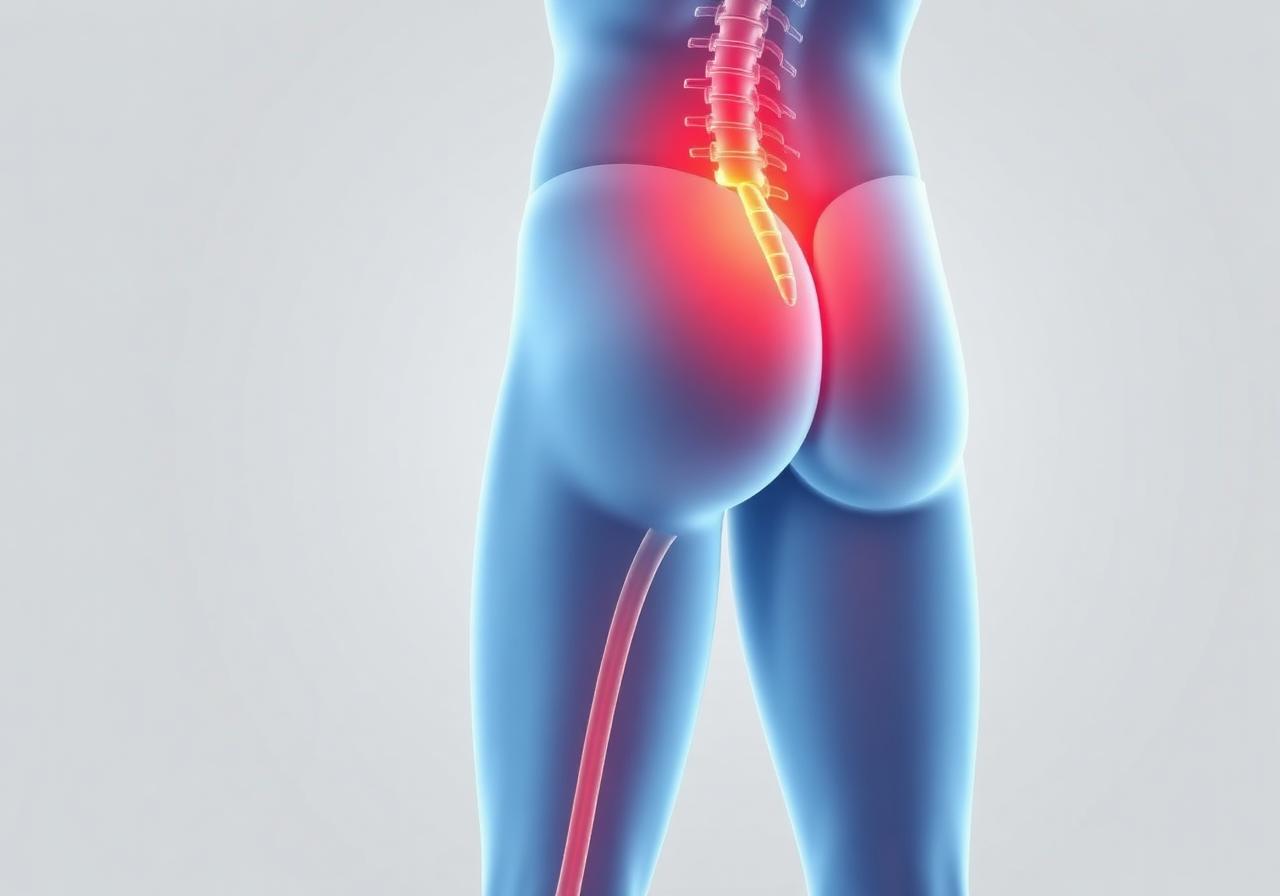
Sciatica isn’t a diagnosis on its own — it’s a symptom of something irritating or compressing the sciatic nerve. Pain typically starts in the lower back or buttock and travels down the back of one leg. You may also notice numbness, tingling, burning, or weakness along the path of the nerve.
In most cases, sciatica is caused by a structural issue in the lumbar spine — like a herniated or bulging disc, spinal stenosis, or misalignment putting pressure on the nerve root. Pelvic and piriformis muscle tension can also play a role. At Back to Health, the goal is to identify what’s actually irritating the nerve and create a care plan designed to relieve that pressure — not just mask the pain.
Sciatica can show up differently from person to person, but typically includes one or more of the following:
If you’re experiencing severe weakness, loss of bladder or bowel control, or numbness in the saddle region, seek immediate medical evaluation.
Pain medications, rest, and stretching alone may temporarily reduce symptoms — but if the nerve is still being compressed, the pain almost always returns. Sciatica that comes and goes (or gets worse over time) is usually a sign that the underlying mechanical issue hasn’t been addressed.
At Back to Health, sciatica care starts with a thorough evaluation to understand exactly what’s irritating the nerve. From there, your personalized plan may include:
The goal isn’t just to quiet the pain — it’s to take the pressure off the nerve so symptoms don’t keep coming back.
Care options at Back to Health that are commonly used to address Sciatica.
Non-surgical traction therapy that may help relieve pressure on discs and nerves.
Explore ServiceHands-on adjustments designed to support spinal alignment, mobility, and nervous system function.
Explore ServiceAdvanced therapies designed to support the body's natural repair processes.
Explore ServiceTargeted movement and strengthening programs to help restore function after injury.
Explore ServiceUnderstanding the source helps shape a care plan that targets the root—not just the symptoms.
When a lumbar disc bulges or herniates, the inner material can press directly on a sciatic nerve root, causing pain that radiates from the lower back into the buttock and down the leg.
Narrowing of the spinal canal in the lumbar spine can compress the nerve roots that form the sciatic nerve, leading to leg pain, numbness, or weakness — often worse with standing or walking.
When the piriformis muscle deep in the buttock becomes tight or spasms, it can irritate the sciatic nerve as it passes underneath (or through) the muscle, mimicking classic disc-related sciatica.
When one vertebra slips forward over another, it can narrow the openings where nerve roots exit the spine, putting pressure on the sciatic nerve and producing radiating leg pain.
Misalignment in the lumbar spine or pelvis can place uneven stress on discs and joints, contributing to nerve irritation. Chiropractic adjustments are designed to restore alignment and reduce that pressure.
Hormonal changes, weight shift, and altered posture during pregnancy can place added stress on the lower back and pelvis, sometimes irritating the sciatic nerve.
Long hours of sitting, heavy lifting, or repetitive bending can increase pressure on lumbar discs and the surrounding nerves, contributing to sciatic flare-ups over time.

Care designed to support cervical mobility, posture, and tension relief.
Explore Neck Pain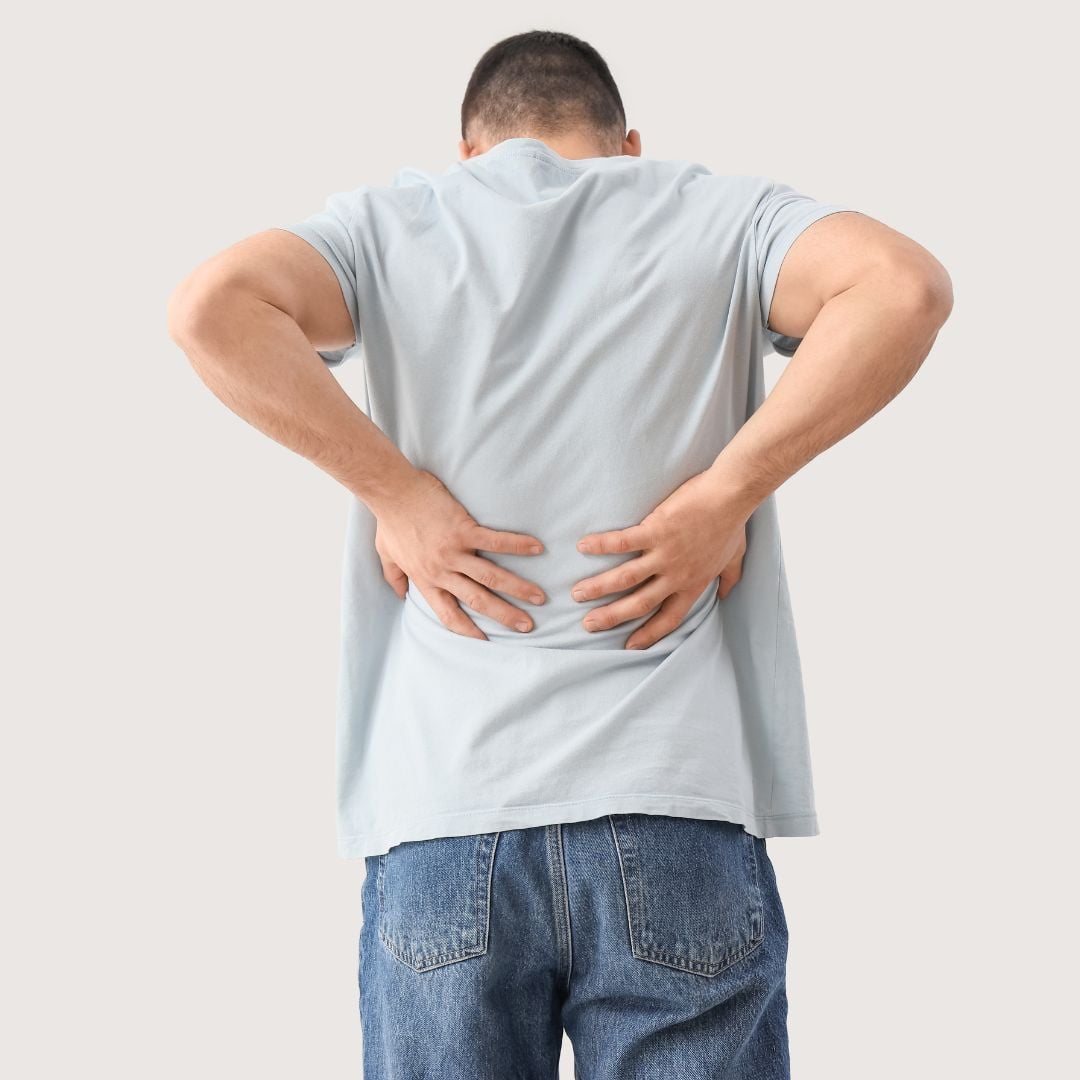
Targeted care designed to relieve lumbar discomfort and restore mobility.
Explore Low Back Pain
Care plans focused on triggers tied to spinal alignment and tension.
Explore Headaches & Migraines
Personalized hormone optimization to help restore energy and balance.
Explore Hormonal Imbalance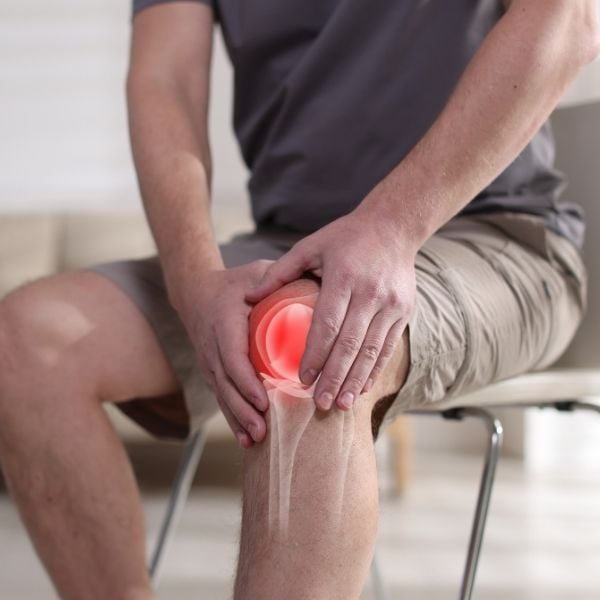
Therapies focused on improving joint function and reducing chronic discomfort.
Explore Knee Pain
Care that may help support nerve function and quality of life.
Explore NeuropathyWhether you are dealing with pain, injury, low energy, or long-term wellness concerns, our Dallas team is here to help you take the next step.