
Back Pain Relief in Dallas: Complete Guide to Lasting Recovery and Better Movement
Back pain is the #1 reason Dallas adults miss work and skip the activities they love. Here's a complete, evidence-based guide to what's actually causing it — and the non-surgical treatments that deliver lasting relief.
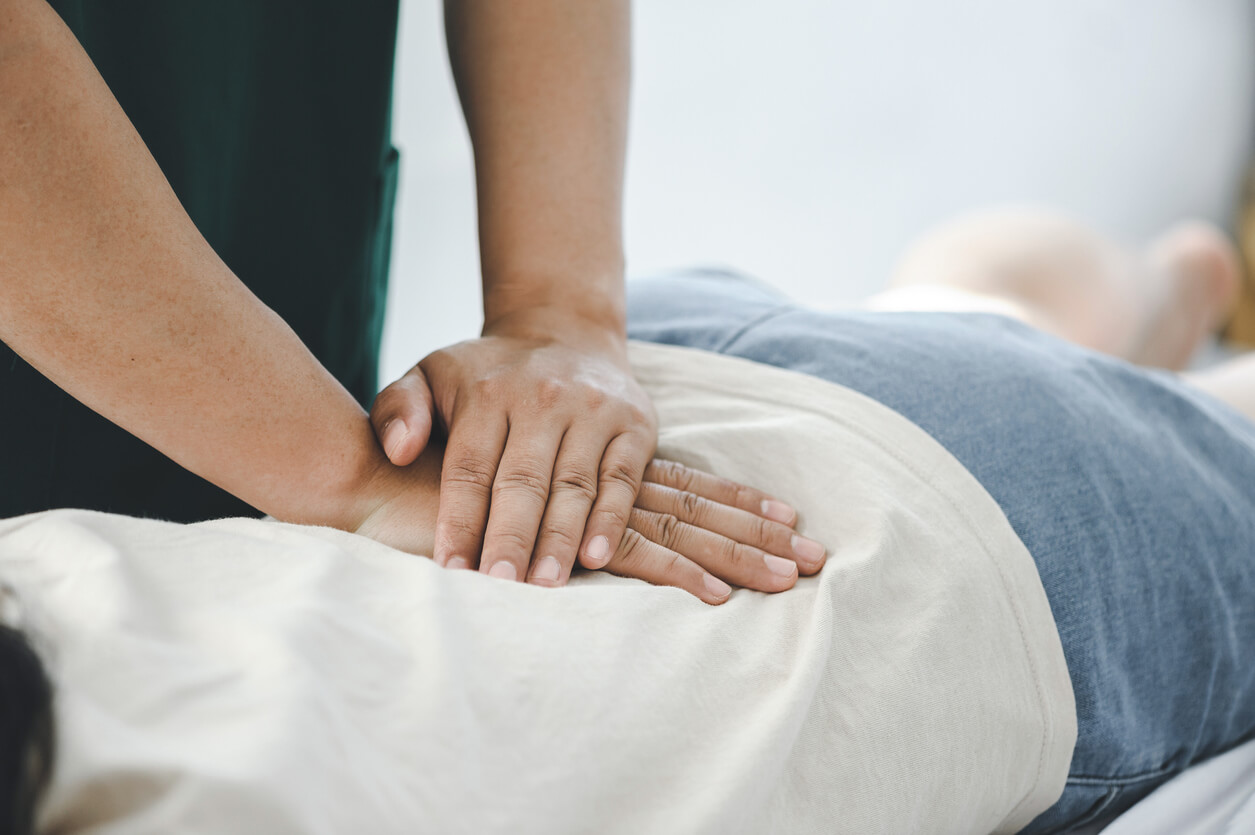
If you live in Dallas and your back hurts, you're not alone. According to the CDC, nearly 39% of U.S. adults experienced back pain in the past three months — and in a city built on long commutes, desk jobs, and hot-weather workouts, that number plays out in clinic waiting rooms every single day.
The good news: most back pain is highly treatable without surgery or long-term medication. At Back to Health Physical Medicine, we help Dallas patients get to the root cause — and build a recovery plan that actually lasts.
Why Back Pain Is So Common in Dallas
Dallas-specific lifestyle factors quietly drive a lot of back pain:
- Long commutes on I-35, the Tollway, and 635 mean hours of seated compression on the lumbar spine.
- Desk-heavy careers in tech, finance, and healthcare lead to weak glutes, tight hip flexors, and rounded posture.
- Weekend warrior workouts — softball leagues, pickleball, Katy Trail runs, CrossFit — pile load onto under-prepared tissue.
- Heat and dehydration stiffen discs and muscles faster than most people realize.
- Yard work and home projects in our long warm season trigger sudden strains.
Layer those on top of old injuries, poor sleep, and stress, and back pain becomes almost predictable.
The Most Common Causes of Back Pain
Most back pain falls into one of a few categories. Understanding which one you're dealing with is the first step toward real relief.
- Muscle and ligament strain — the most common cause; often from lifting, twisting, or sudden movement.
- Disc issues — bulging or herniated discs can press on nerves and cause sciatica or radiating leg pain.
- Facet joint dysfunction — the small joints between vertebrae get stuck, inflamed, or arthritic.
- Sacroiliac (SI) joint pain — common in runners, pregnant patients, and post-pregnancy.
- Postural overload — long sitting, poor desk setup, and weak core/glute support.
- Degenerative changes — arthritis and disc wear that build slowly over years.
If you're dealing with persistent symptoms, our team can help you sort out which is which. Learn more on our low back pain and neck and upper back pain pages.
When You Should See a Professional
Most back pain improves within a few weeks, but don't wait if you experience:
- Pain that radiates into the leg, foot, or arm
- Numbness, tingling, or weakness
- Pain that wakes you up at night
- Pain after a fall, car accident, or sports injury
- Back pain plus unexplained weight loss, fever, or bladder/bowel changes (seek urgent care)
Even "regular" back pain that lingers more than 2–3 weeks deserves a proper assessment — small problems left alone tend to compound.
Proven Non-Surgical Treatments for Lasting Relief
The most durable results come from combining therapies, not chasing a single quick fix. Here's what works.
1. Chiropractic adjustments. Targeted chiropractic care restores joint motion, reduces nerve irritation, and helps muscles relax. The American College of Physicians recommends spinal manipulation as a first-line treatment for low back pain.
2. Spinal decompression. Gentle, computer-controlled traction creates negative pressure inside the disc — pulling bulging material back toward center and rehydrating the disc. Especially effective for herniated discs and chronic sciatica.
3. Rehabilitation and corrective exercise. Pain relief without rebuilding strength and mobility is temporary. Our rehabilitation program targets the deep core, glutes, hips, and thoracic spine — the muscles your back actually relies on.
4. Dry needling and soft-tissue work. Dry needling releases trigger points and stubborn muscle knots that traditional stretching can't reach.
5. Regenerative medicine. For chronic or degenerative pain, regenerative medicine — including PRP and A2M — can calm inflammation and support tissue repair.
6. Red light therapy. Red light therapy reduces inflammation at the cellular level and pairs well with hands-on care to speed recovery.
7. Functional medicine support. Chronic inflammation, poor sleep, and metabolic dysfunction all keep back pain alive. Our functional medicine team addresses the upstream drivers.
What to Do at Home — Today
While you're getting professional care (or deciding to), these habits move the needle quickly:
- Move every 30 minutes if you sit for work. Stand, walk, reach overhead.
- Hydrate. Discs are 70%+ water; dehydration makes them stiffer and more pain-sensitive.
- Sleep on your side or back, not your stomach. A pillow between (or under) the knees helps.
- Strengthen your glutes. Weak glutes are a top driver of low back pain. Bridges, hip hinges, and walking uphill all help.
- Don't bed-rest. Beyond 1–2 days, lying around makes most back pain worse — gentle walking is medicine.
- Use heat for tight muscles, ice for fresh injuries (first 48 hours).
What a Visit at Back to Health Looks Like
Your first appointment is built around your specific pain, history, and goals — not a templated protocol.
- In-depth consultation and exam — including movement, posture, neurological screening, and orthopedic testing.
- Imaging review or referral if needed.
- A clear diagnosis in plain language so you understand exactly what's going on.
- A personalized care plan combining the right mix of chiropractic, rehab, decompression, and supportive therapies.
- Progress check-ins so we adjust the plan as you improve.
We treat patients from across DFW — Uptown, Lakewood, Preston Hollow, Richardson, Plano, Garland, Irving, and beyond.
Ready for Lasting Back Pain Relief?
You don't have to live with back pain — and you don't have to jump straight to surgery or long-term medication to get rid of it. Most Dallas patients see meaningful improvement within a few weeks of starting the right plan.
Schedule your back pain consultation at Back to Health Physical Medicine, or explore our full list of services and conditions we treat to see how everything fits together.