
HERNIATED OR BULGING DISC
Discs that press against nearby nerves are one of the most common causes of nerve compression.
Relieve compression and restore function
Your nerves act as communication pathways between your brain and body. When a nerve becomes compressed or irritated, those signals are disrupted—leading to pain, numbness, or weakness in different areas of the body.

Your nerves act as communication pathways between your brain and body. When a nerve becomes compressed or irritated, those signals are disrupted—leading to pain, numbness, or weakness in different areas of the body.
Pinched nerves can occur in the neck, upper back, or lower back, often causing symptoms that radiate into the shoulders, arms, hips, or legs. Left untreated, the condition can worsen over time and lead to chronic discomfort or reduced function.
A pinched nerve can cause more than just discomfort—it can affect how you move, feel, and function every day. Whether it’s sharp pain, tingling, numbness, or weakness, these symptoms can interfere with work, sleep, and daily activities for many people across the Dallas–Fort Worth area.
A pinched nerve occurs when surrounding structures—such as discs, joints, or muscles—place pressure on a nerve. At Back to Health, we focus on identifying the source of that pressure and correcting it, so you can experience lasting relief instead of temporary fixes.
We begin with a detailed evaluation to understand your symptoms, medical history, and movement patterns. This helps us pinpoint the exact source of nerve compression.
Misalignment in the spine is a common cause of nerve pressure. Gentle, precise adjustments help restore proper alignment, relieve pressure on the nerve, and improve function.
When necessary, imaging allows us to assess spinal structure and identify underlying issues contributing to the pinched nerve.
This non-invasive therapy gently stretches the spine, reducing pressure on discs and nerves—especially effective for conditions involving disc-related compression.
We address tight muscles and surrounding tissues that may be contributing to nerve irritation, helping reduce tension and improve mobility.
Personalized exercises strengthen supporting muscles, improve flexibility, and help prevent future nerve compression.
Care options at Back to Health that are commonly used to address Pinched Nerve.
Non-surgical traction therapy that may help relieve pressure on discs and nerves.
Explore ServiceHands-on adjustments designed to support spinal alignment, mobility, and nervous system function.
Explore ServiceTargeted movement and strengthening programs to help restore function after injury.
Explore ServiceUnderstanding the source helps shape a care plan that targets the root—not just the symptoms.
Discs that press against nearby nerves are one of the most common causes of nerve compression.
Improper alignment in the spine can place uneven pressure on nerves and disrupt normal function.
Repeated movements or prolonged positions can strain muscles and joints, leading to nerve irritation.
Forward head posture or prolonged sitting can increase pressure on spinal structures and nerves.
Accidents, falls, or sudden movements can cause inflammation and structural changes that compress nerves.
Age-related wear and tear can narrow spaces around nerves, increasing the risk of compression.

Care designed to support cervical mobility, posture, and tension relief.
Explore Neck Pain
Targeted care designed to relieve lumbar discomfort and restore mobility.
Explore Low Back Pain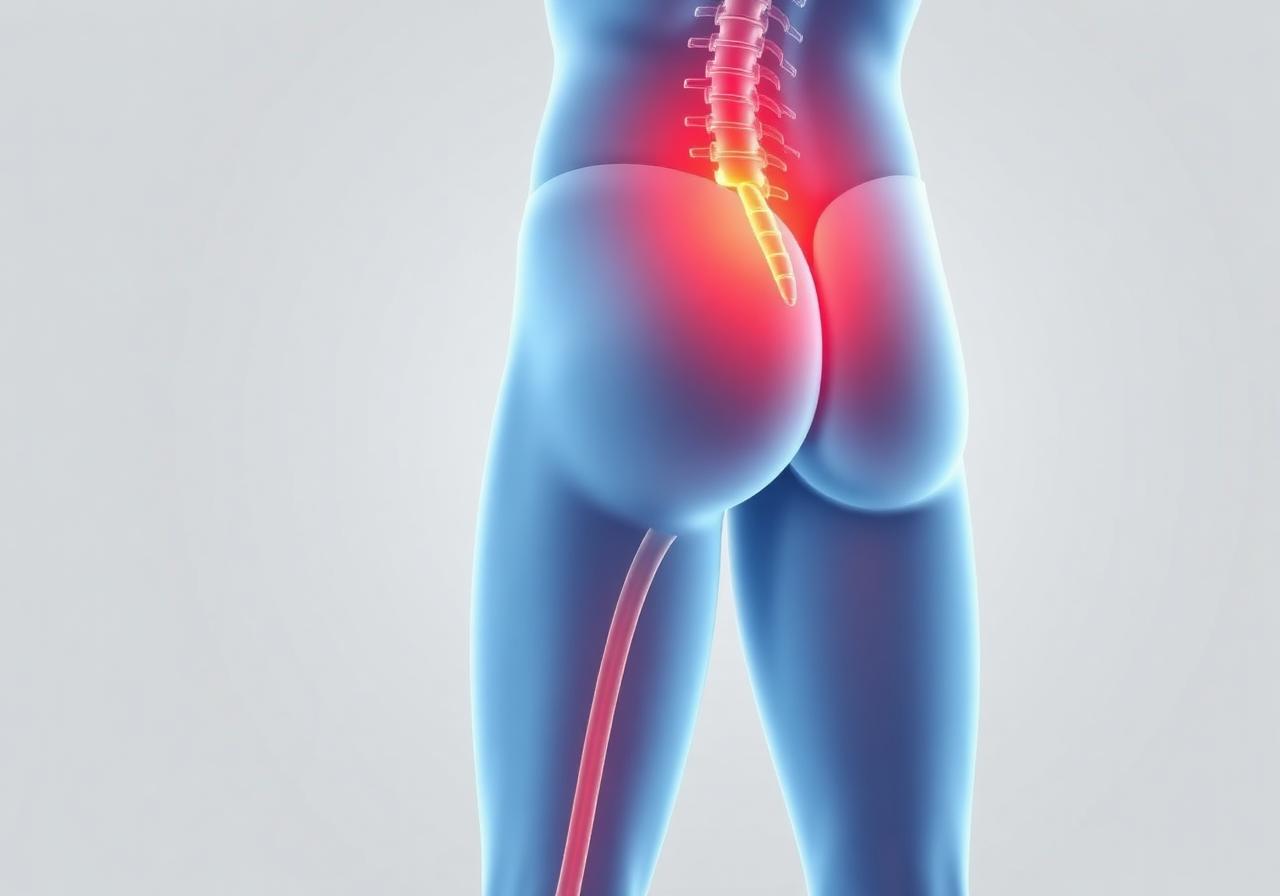
Focused approaches to help calm sciatic nerve irritation and radiating leg pain.
Explore Sciatica
Care plans focused on triggers tied to spinal alignment and tension.
Explore Headaches & Migraines
Personalized hormone optimization to help restore energy and balance.
Explore Hormonal Imbalance
Therapies focused on improving joint function and reducing chronic discomfort.
Explore Knee PainWhether you are dealing with pain, injury, low energy, or long-term wellness concerns, our Dallas team is here to help you take the next step.